Wang Helen Y, Zhou Juhua, Zhu Kuichun, Riker Adam I, Marincola Francesco M, Wang Rong-Fu
The Center for Cell and Gene Therapy, Department of Immunology, Baylor College of Medicine, One Baylor Plaza, Houston, TX 77030, USA.
J Exp Med. 2002 Jun 3;195(11):1397-406. doi: 10.1084/jem.20020141.
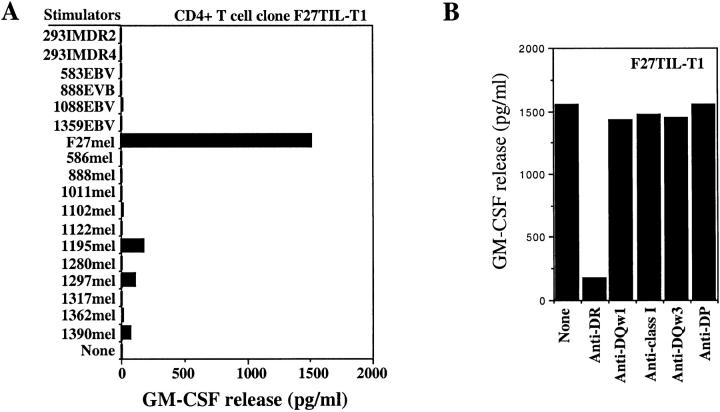
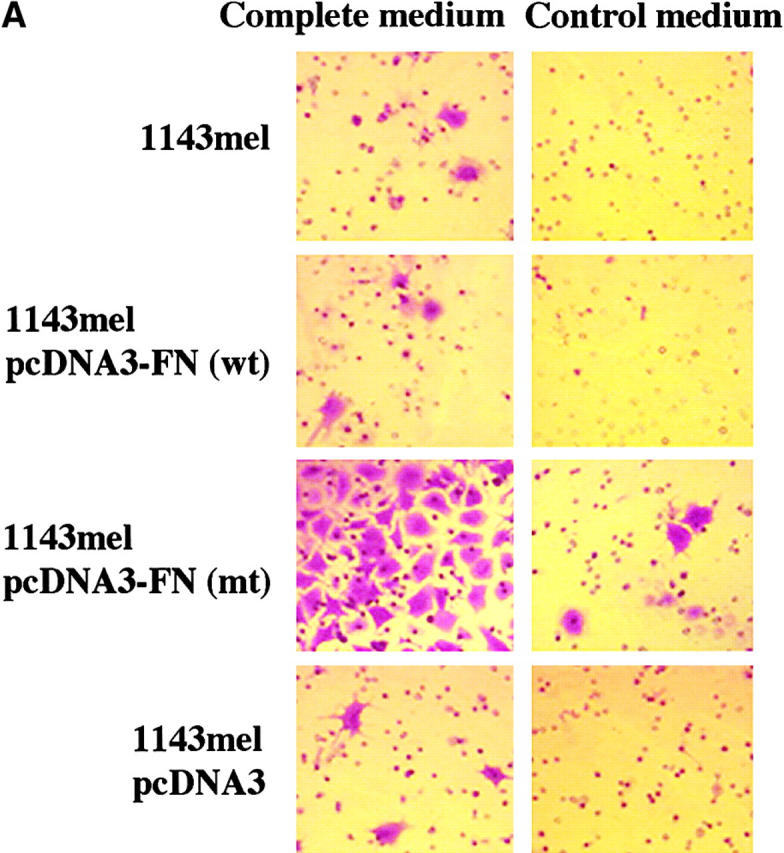
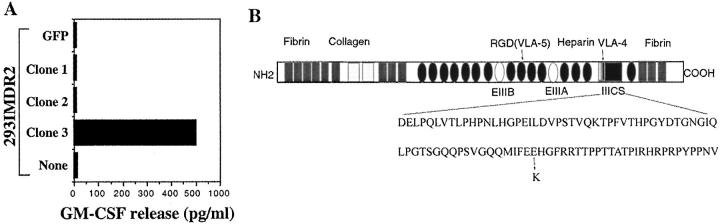
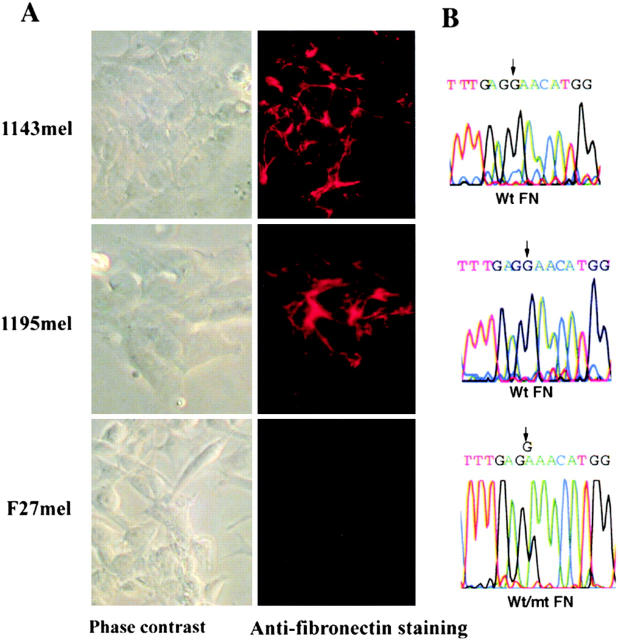
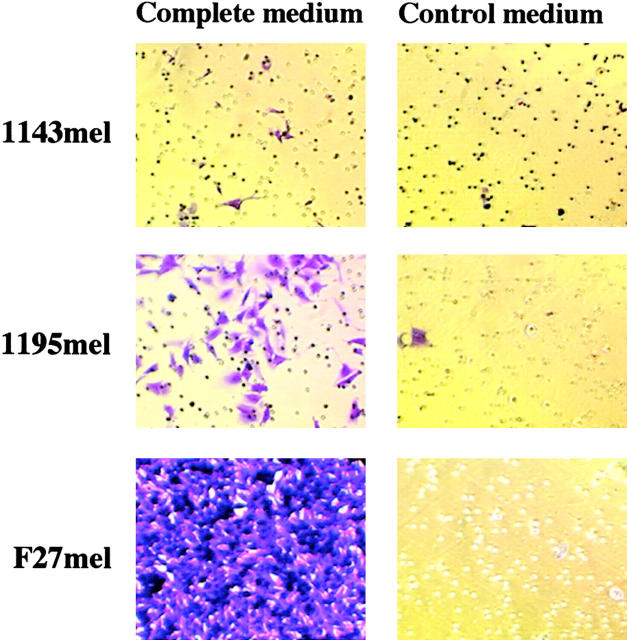
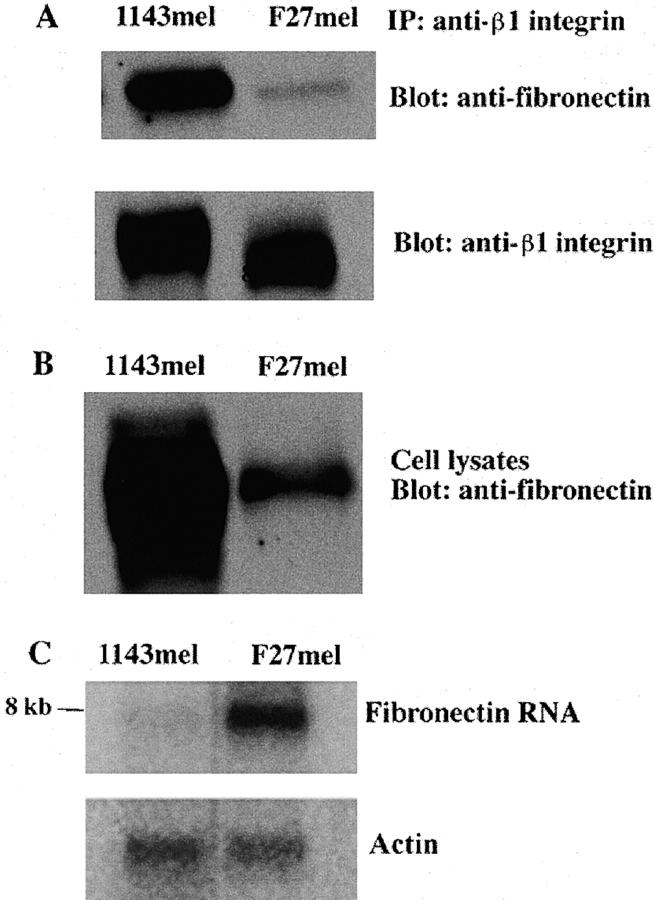
CD4+ T cells play an important role in orchestrating host immune responses against cancer, particularly by providing critical help for priming and extending the survival of CD8+ T cells. However, relatively little is known about major histocompatibility complex class II-restricted human tumor antigens capable of activating CD4+ T cells. Here, we describe the identification of a mutated fibronectin (FN) as a tumor antigen recognized by human histocompatibility leukocyte antigen-DR2-restricted CD4+ T cells. Deoxyribonucleic acid (DNA) sequencing analysis indicated that this gene contains a mutation that results in the substitution of lysine for glutamic acid and gives rise to a new T cell epitope recognized by CD4+ T cells. Tumor cells harboring the mutant FN resulted in the loss of FN matrix formation and the gain of metastatic potential based on the migration pattern compared with that of tumor cells that express wild-type FN. Additional experiments using cell lines stably expressing the mutated FN cDNA demonstrated that the point mutation in FN was responsible for the loss of FN staining in extracellular matrices and the enhancement of tumor cell migration. These findings represent the first demonstration that a mutated gene product recognized by CD4+ T cells is directly involved in tumor metastasis, which indicates the importance of CD4+ T cells in controlling the spread of tumor cells to distant anatomic sites.
CD4+ T细胞在协调宿主针对癌症的免疫反应中发挥着重要作用,特别是通过为启动和延长CD8+ T细胞的存活提供关键帮助。然而,关于能够激活CD4+ T细胞的主要组织相容性复合体II类限制性人类肿瘤抗原,人们了解得相对较少。在此,我们描述了一种突变型纤连蛋白(FN)作为被人类组织相容性白细胞抗原-DR2限制性CD4+ T细胞识别的肿瘤抗原的鉴定。脱氧核糖核酸(DNA)测序分析表明,该基因包含一个导致谷氨酸被赖氨酸取代的突变,并产生了一个被CD4+ T细胞识别的新T细胞表位。与表达野生型FN的肿瘤细胞相比,携带突变型FN的肿瘤细胞基于迁移模式导致FN基质形成丧失和转移潜能增加。使用稳定表达突变型FN cDNA的细胞系进行的额外实验表明,FN中的点突变导致细胞外基质中FN染色丧失以及肿瘤细胞迁移增强。这些发现首次证明被CD4+ T细胞识别的突变基因产物直接参与肿瘤转移,这表明CD4+ T细胞在控制肿瘤细胞向远处解剖部位扩散中的重要性。