El Khoury Joseph B, Moore Kathryn J, Means Terry K, Leung Josephine, Terada Kinya, Toft Michelle, Freeman Mason W, Luster Andrew D
Center for Immunology and Inflammatory Diseases, Division of Rheumatology, Allergy and Immunology, Massachusetts General Hospital, Harvard Medical School, Charlestown, MA 02129, USA.
J Exp Med. 2003 Jun 16;197(12):1657-66. doi: 10.1084/jem.20021546. Epub 2003 Jun 9.
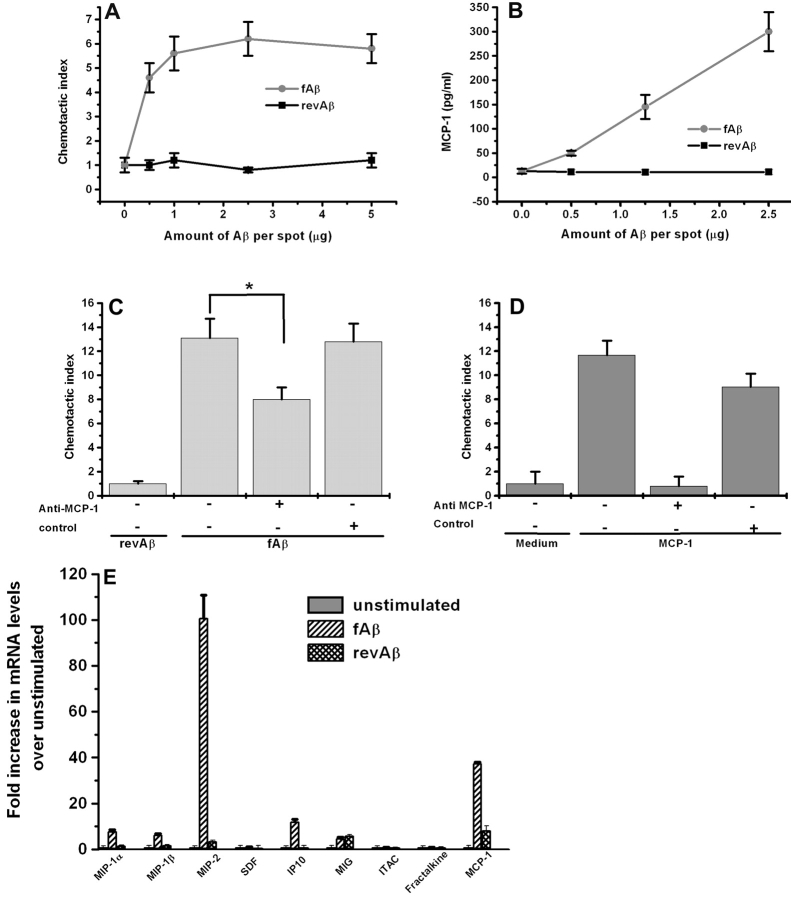
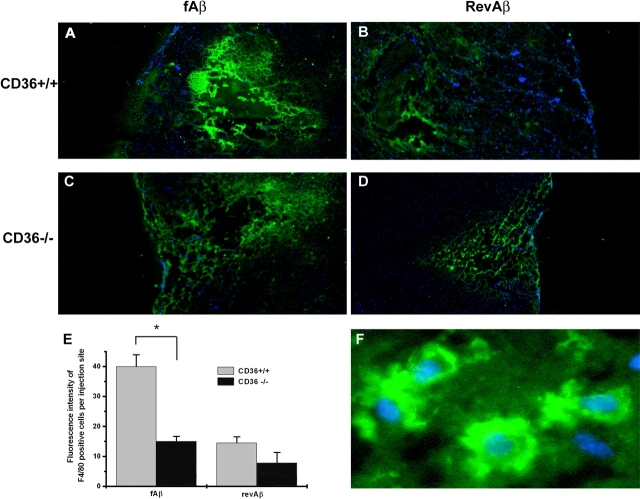
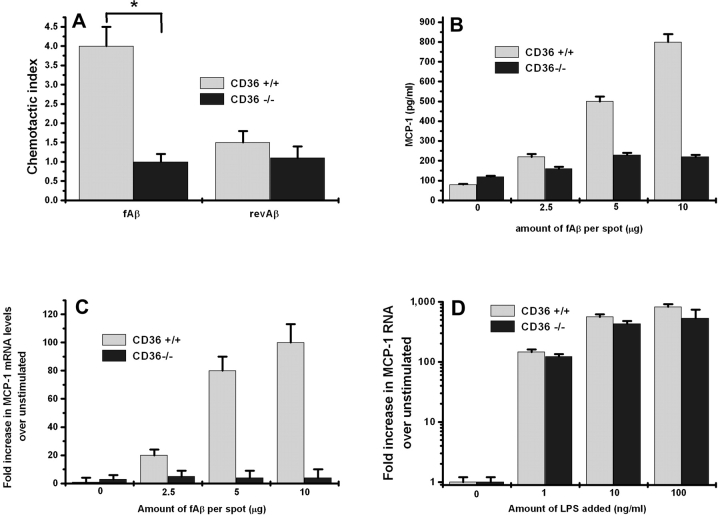
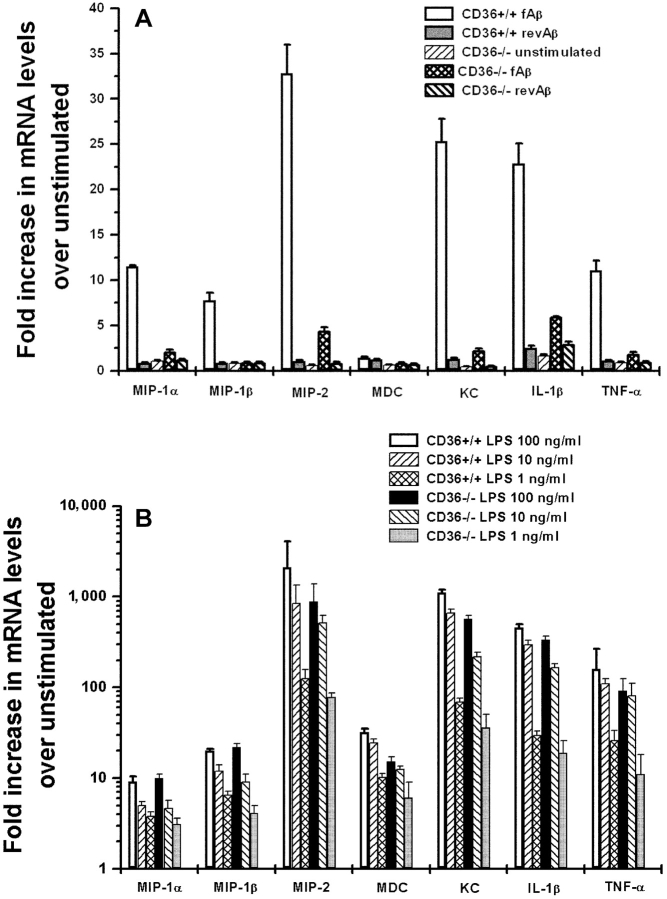
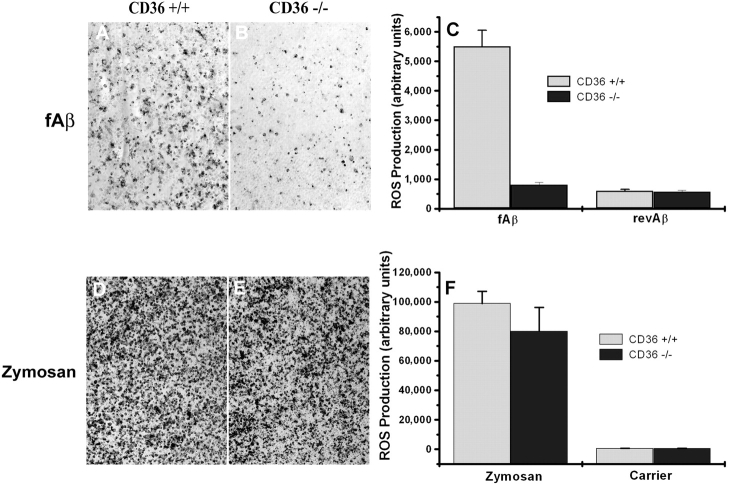
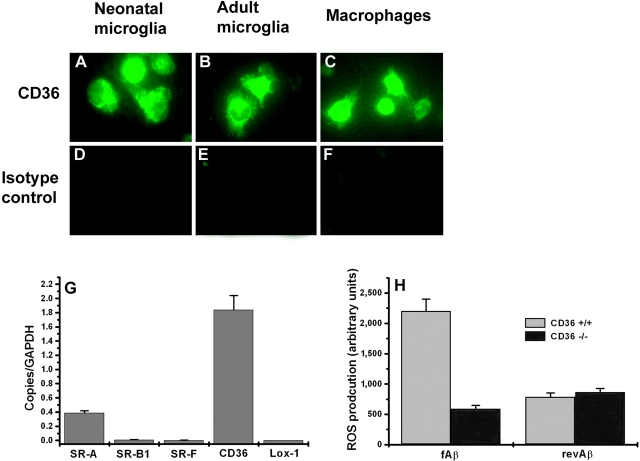
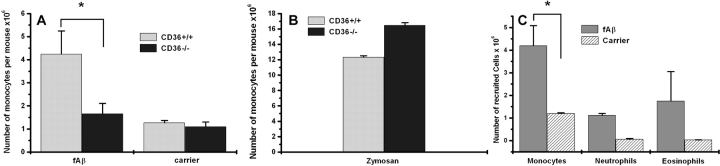
Accumulation of inflammatory microglia in Alzheimer's senile plaques is a hallmark of the innate response to beta-amyloid fibrils and can initiate and propagate neurodegeneration characteristic of Alzheimer's disease (AD). The molecular mechanism whereby fibrillar beta-amyloid activates the inflammatory response has not been elucidated. CD36, a class B scavenger receptor, is expressed on microglia in normal and AD brains and binds to beta-amyloid fibrils in vitro. We report here that microglia and macrophages, isolated from CD36 null mice, had marked reductions in fibrillar beta-amyloid-induced secretion of cytokines, chemokines, and reactive oxygen species. Intraperitoneal and stereotaxic intracerebral injection of fibrillar beta-amyloid in CD36 null mice induced significantly less macrophage and microglial recruitment into the peritoneum and brain, respectively, than in wild-type mice. Our data reveal that CD36, a major pattern recognition receptor, mediates microglial and macrophage response to beta-amyloid, and imply that CD36 plays a key role in the proinflammatory events associated with AD.
炎症性小胶质细胞在阿尔茨海默病老年斑中的积聚是对β-淀粉样蛋白原纤维先天性反应的一个标志,并且能够引发和传播阿尔茨海默病(AD)的神经退行性变特征。原纤维状β-淀粉样蛋白激活炎症反应的分子机制尚未阐明。CD36是一种B类清道夫受体,在正常脑和AD脑中的小胶质细胞上表达,并且在体外能与β-淀粉样蛋白原纤维结合。我们在此报告,从CD36基因敲除小鼠中分离出的小胶质细胞和巨噬细胞,在原纤维状β-淀粉样蛋白诱导的细胞因子、趋化因子和活性氧分泌方面有显著减少。与野生型小鼠相比,向CD36基因敲除小鼠腹腔内和立体定向脑内注射原纤维状β-淀粉样蛋白分别诱导巨噬细胞和小胶质细胞向腹膜和脑内募集的量明显减少。我们的数据显示,CD36作为一种主要的模式识别受体,介导小胶质细胞和巨噬细胞对β-淀粉样蛋白的反应,这意味着CD36在与AD相关的促炎事件中起关键作用。