Peabody David S
Department of Molecular Genetics and Microbiology and the Cancer Research and Treatment Center University of New Mexico School of Medicine Albuquerque, New Mexico, USA 87131.
J Nanobiotechnology. 2003 Jul 15;1(1):5. doi: 10.1186/1477-3155-1-5.
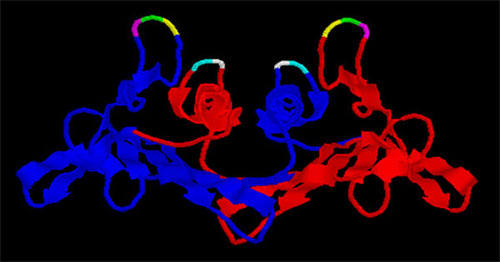
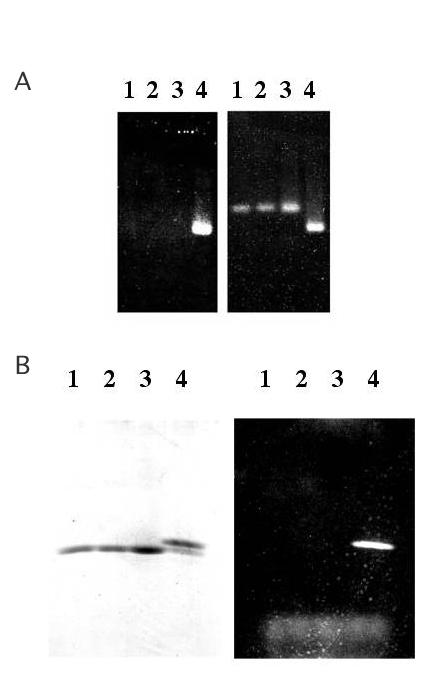
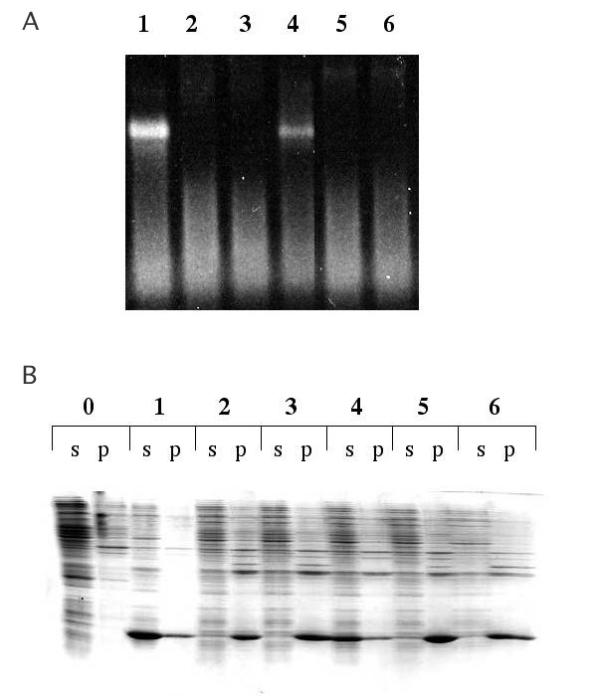
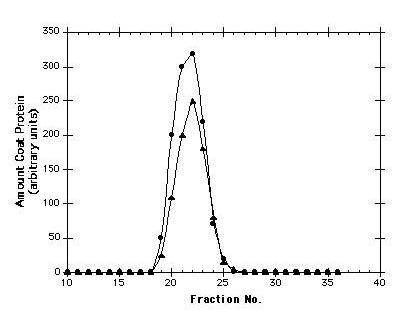
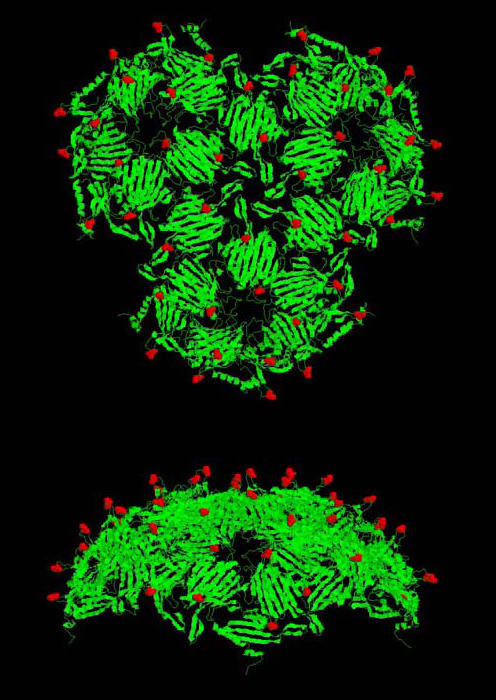
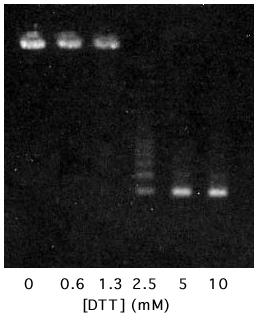
The ability to chemically modify the surfaces of viruses and virus-like particles makes it possible to confer properties that make them potentially useful in biotechnology, nanotechnology and molecular electronics applications. RNA phages (e.g. MS2) have characteristics that make them suitable scaffolds to which a variety of substances could be chemically attached in definite geometric patterns. To provide for specific chemical modification of MS2's outer surface, cysteine residues were substituted for several amino acids present on the surface of the wild-type virus particle. Some substitutions resulted in coat protein folding or stability defects, but one allowed the production of an otherwise normal virus-like particle with an accessible sulfhydryl on its surface.
对病毒和病毒样颗粒的表面进行化学修饰的能力,使得赋予它们在生物技术、纳米技术和分子电子学应用中具有潜在用途的特性成为可能。RNA噬菌体(如MS2)具有一些特性,使其成为合适的支架,各种物质可以按照确定的几何图案化学连接到该支架上。为了对MS2的外表面进行特异性化学修饰,用半胱氨酸残基取代野生型病毒颗粒表面存在的几个氨基酸。一些取代导致衣壳蛋白折叠或稳定性缺陷,但有一种取代使得能够产生一种在其他方面正常的病毒样颗粒,其表面有一个可及的巯基。