Li J, Campbell D, Hayward A R
Department of Pediatrics, University of Colorado School of Medicine, Denver.
Immunology. 1992 Feb;75(2):305-10.
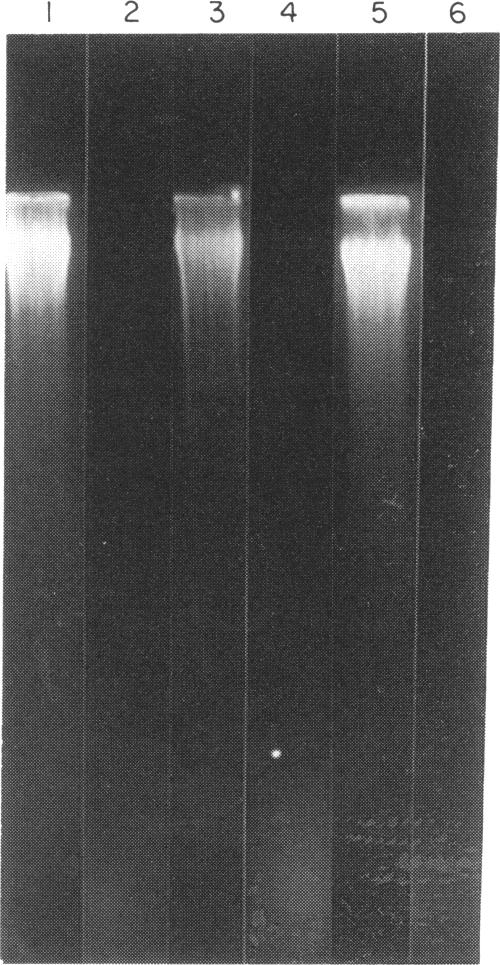
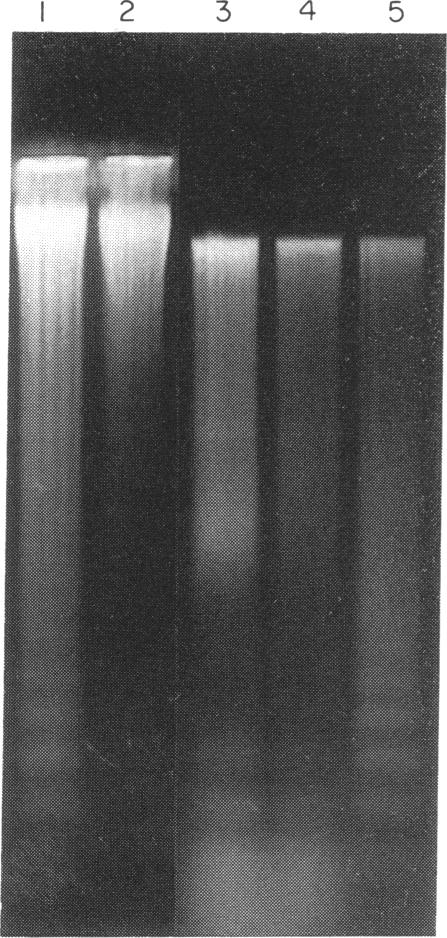
Human thymocytes bearing the CD45RO 'memory' cell phenotype do not proliferate in concanavalin A (Con A)-stimulated cultures and may be destined for intrathymic death. To determine whether this subset would exhibit characteristics of programmed cell death (apoptosis), we examined the integrity of the nuclear DNA by gel electrophoresis. DNA fragmentation was restricted to the CD45RO+ subset of human thymocytes following exposure to stimulating concentrations of anti-CD2 antibodies. Both CD45RO- and CD45RO+ subsets mobilized cytoplasmic Ca2+ following cell-surface CD2 ligation, but entry into the cell cycle and vigorous thymidine uptake were restricted to the CD45RO- subset. Our results provide a mechanism which may account for the failure of thymic CD45RO+ cells to respond to stimuli which elicit proliferation by the reciprocal CD45RA+ subset.
具有CD45RO“记忆”细胞表型的人类胸腺细胞在刀豆蛋白A(Con A)刺激的培养物中不增殖,可能注定要在胸腺内死亡。为了确定该亚群是否表现出程序性细胞死亡(凋亡)的特征,我们通过凝胶电泳检查了核DNA的完整性。在暴露于刺激浓度的抗CD2抗体后,DNA片段化仅限于人类胸腺细胞的CD45RO +亚群。细胞表面CD2连接后,CD45RO-和CD45RO +亚群均动员了细胞质Ca2 +,但进入细胞周期和大量摄取胸苷仅限于CD45RO-亚群。我们的结果提供了一种机制,该机制可能解释了胸腺CD45RO +细胞对由相互的CD45RA +亚群引起增殖的刺激无反应的原因。