Screpanti I, Meco D, Scarpa S, Morrone S, Frati L, Gulino A, Modesti A
Genoa National Institute for Cancer Research, Biotechnology Section, Rome, Italy.
Proc Natl Acad Sci U S A. 1992 Apr 15;89(8):3209-12. doi: 10.1073/pnas.89.8.3209.
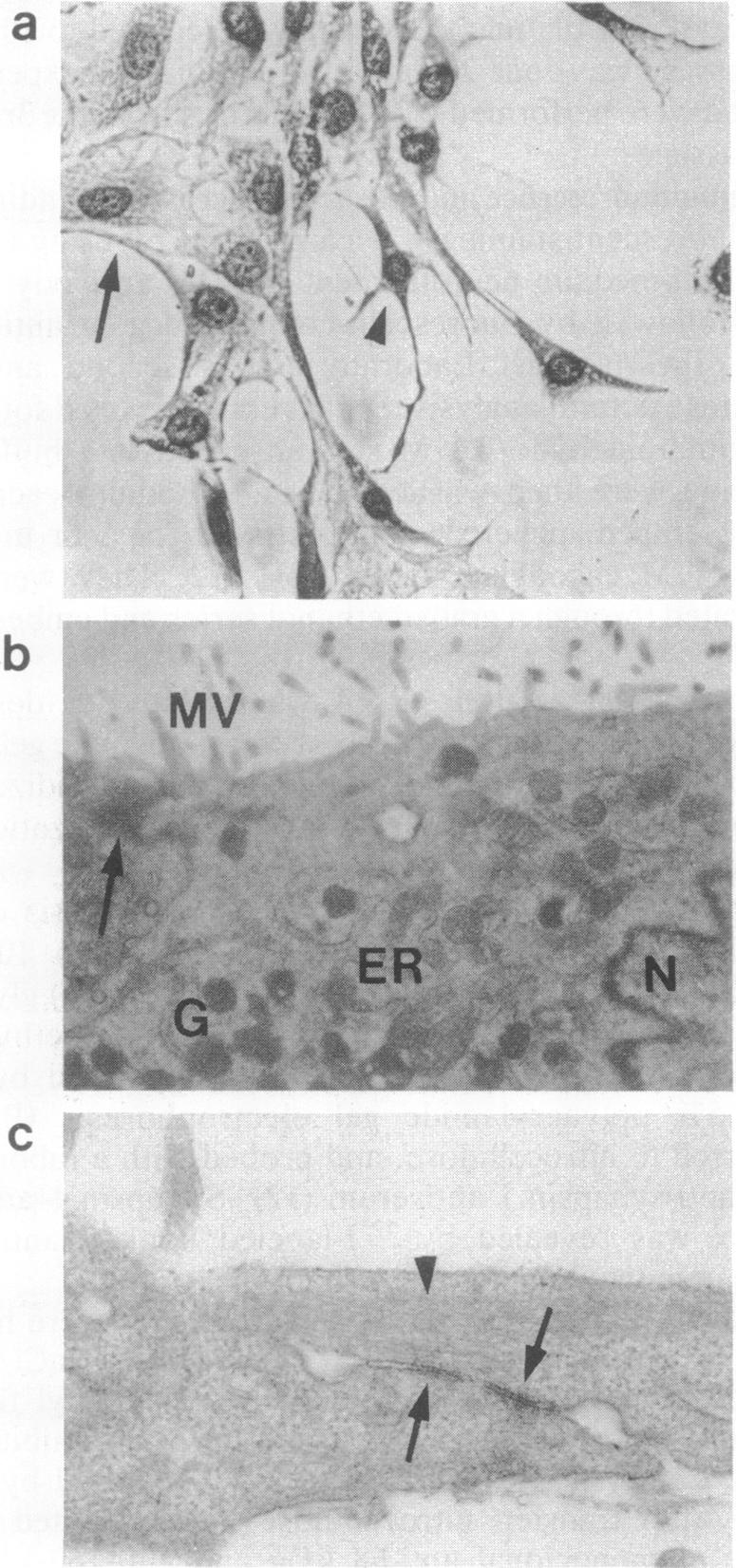
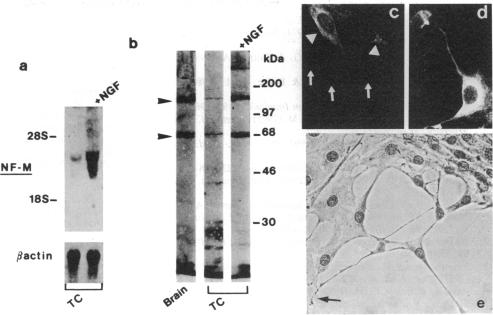
Neural crest cell derivatives have been suggested to be involved in thymus development. We established nonlymphoid thymic stromal cell cultures capable of supporting T-cell differentiation. In these nonlymphoid cell cultures, we identified cells with phenotypic and biochemical markers specific for neuronal cells. Neurofilament mRNA and 68- and 160-kDa neurofilament proteins, as well as 74-kDa synapsin I isoform, were expressed in many of the cultured cells. For example, neurofilament immunoreactivity was detected in 20-30% of the cells. To see whether thymic neuronal-like cells were involved in a neural differentiation pathway, we investigated the effect of nerve growth factor (NGF) and interleukin 6 (IL-6), two known neurotrophic factors. The expression of the above-described neural markers was enhanced by NGF and IL-6, which we report to be produced in an autocrine way by thymic stromal cell cultures. Finally, we found that IL-6 gene expression in these cell cultures was enhanced by NGF. Evidence is thus offered of a neuromodulatory loop within the thymic stromal cell population supported by local production of NGF and IL-6 and involving neural cell elements. Interestingly, IL-6, which is known to be implicated in thymocyte differentiation, also displays a neuromodulatory activity on thymic stromal cells, suggesting a multivalent role for this cytokine within the thymus.
有人提出神经嵴细胞衍生物参与胸腺发育。我们建立了能够支持T细胞分化的非淋巴细胞性胸腺基质细胞培养体系。在这些非淋巴细胞培养物中,我们鉴定出具有神经元细胞特异性表型和生化标志物的细胞。许多培养细胞中表达了神经丝mRNA、68 kDa和160 kDa的神经丝蛋白以及74 kDa的突触素I亚型。例如,在20%至30%的细胞中检测到神经丝免疫反应性。为了观察胸腺神经元样细胞是否参与神经分化途径,我们研究了两种已知的神经营养因子神经生长因子(NGF)和白细胞介素6(IL-6)的作用。NGF和IL-6增强了上述神经标志物的表达,我们发现胸腺基质细胞培养物以自分泌方式产生这些因子。最后,我们发现这些细胞培养物中IL-6基因的表达受到NGF的增强。因此,有证据表明胸腺基质细胞群体中存在一个神经调节环路,该环路由NGF和IL-6的局部产生所支持,并涉及神经细胞成分。有趣的是,已知参与胸腺细胞分化的IL-6对胸腺基质细胞也表现出神经调节活性,这表明该细胞因子在胸腺中具有多价作用。