Russomando G, Figueredo A, Almirón M, Sakamoto M, Morita K
Instituto de Investigaciones en Ciencias de la Salud, Universidad Nacional de Asunción, Paraguay.
J Clin Microbiol. 1992 Nov;30(11):2864-8. doi: 10.1128/jcm.30.11.2864-2868.1992.
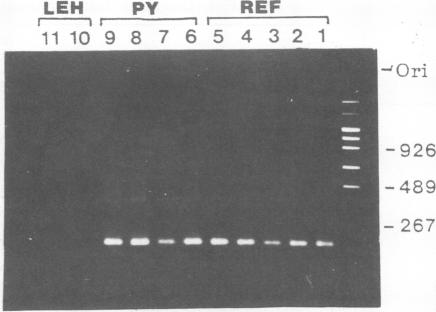
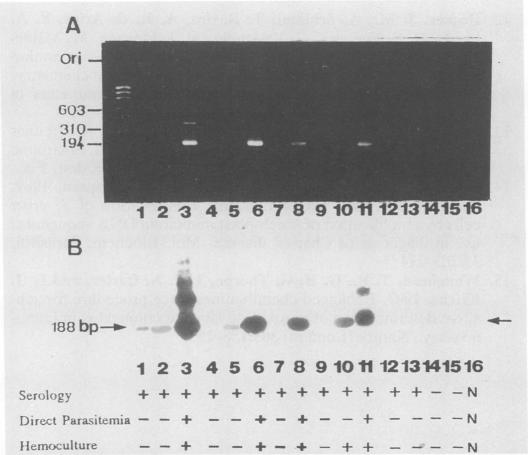
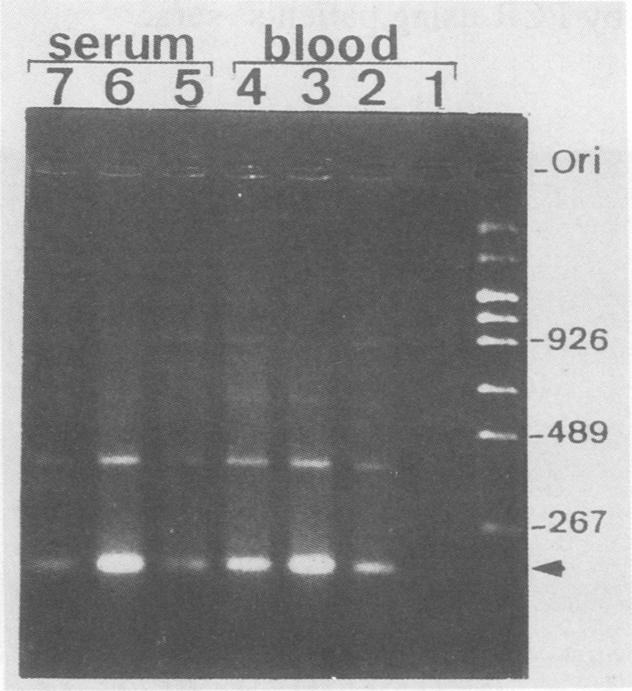
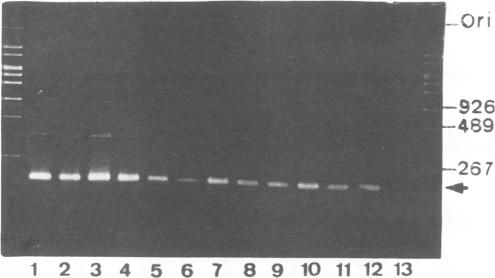
DNAs prepared from chagasic patients' sera were amplified by the polymerase chain reaction using oligonucleotide primers which anneal specifically to a highly repetitive sequence of Trypanosoma cruzi nuclear DNA. Samples from both acutely and chronically infected patients yielded positive results by this method. No significant difference was observed when either whole blood or serum samples of the patients were used. These results indicate that serum instead of whole-blood samples could be used for polymerase chain reaction-based detection of T. cruzi in field studies without the need of applying any special chemical treatment to the specimens. This would represent a considerable advantage due to the easier handling and transportation of serum as compared with whole-blood samples, especially in tropical climates.
从恰加斯病患者血清中提取的DNA,使用与克氏锥虫核DNA高度重复序列特异性退火的寡核苷酸引物,通过聚合酶链反应进行扩增。急性和慢性感染患者的样本通过该方法均得到阳性结果。使用患者的全血或血清样本时,未观察到显著差异。这些结果表明,在现场研究中,血清而非全血样本可用于基于聚合酶链反应的克氏锥虫检测,而无需对标本进行任何特殊化学处理。与全血样本相比,血清更易于处理和运输,特别是在热带气候条件下,这将是一个相当大的优势。