Schountz Tony, Green Renata, Davenport Bennett, Buniger Amie, Richens Tiffany, Root J Jeffrey, Davidson Forbes, Calisher Charles H, Beaty Barry J
Department of Biological Sciences, Mesa State College, 1100 North Ave, Grand Junction, CO 81501, USA.
BMC Immunol. 2004 Jan 13;5:1. doi: 10.1186/1471-2172-5-1.
Sin Nombre virus (SNV) establishes a persistent infection in the deer mouse, Peromyscus maniculatus. A strong antibody response occurs in response to SNV infection, but the role of the innate immune response is unclear. To address this issue, we have initiated an effort to identify and characterize deer mouse cytokine and chemokine genes. Such cytokines and chemokines are involved in various aspects of immunity, including the transition from innate to adaptive responses, type I and type II responses, recruitment of leukocytes to sites of infection, and production of mature cells from bone marrow progenitors.
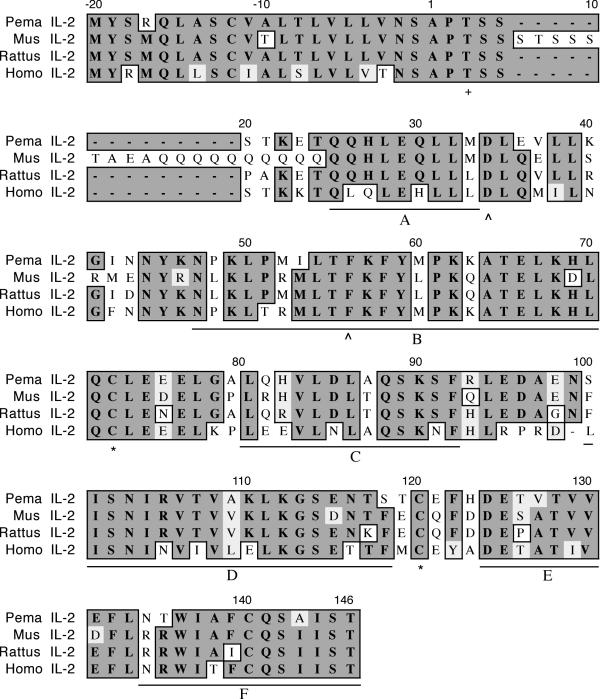
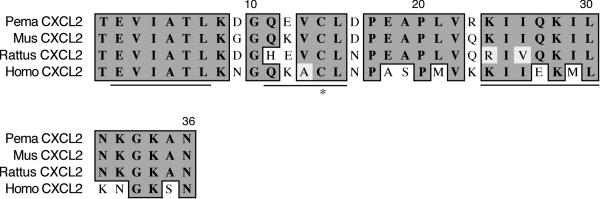
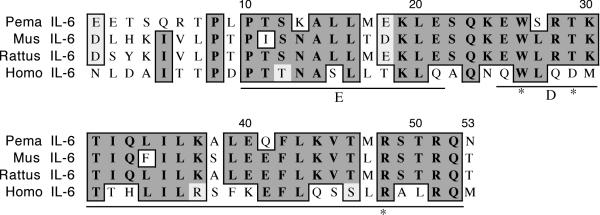
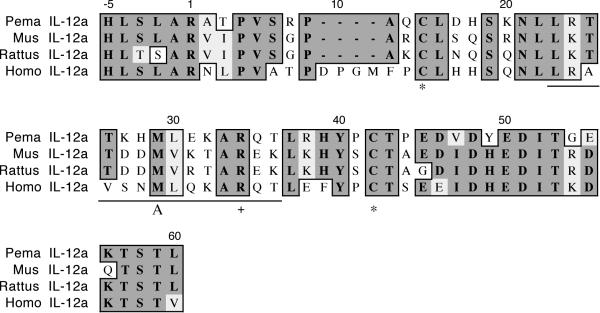
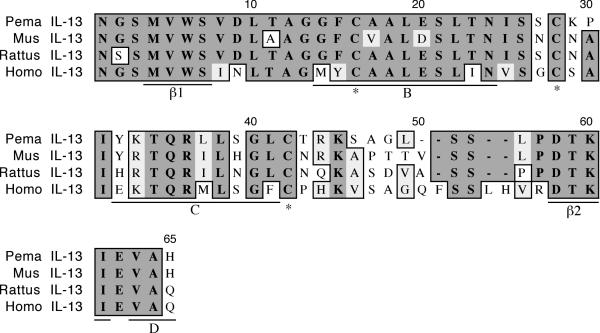
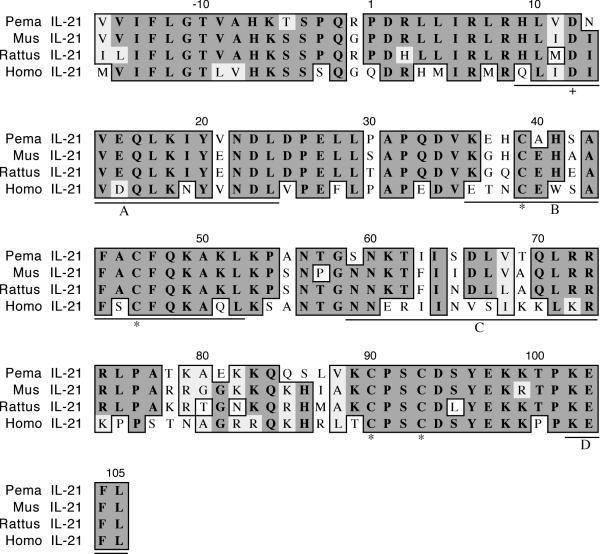
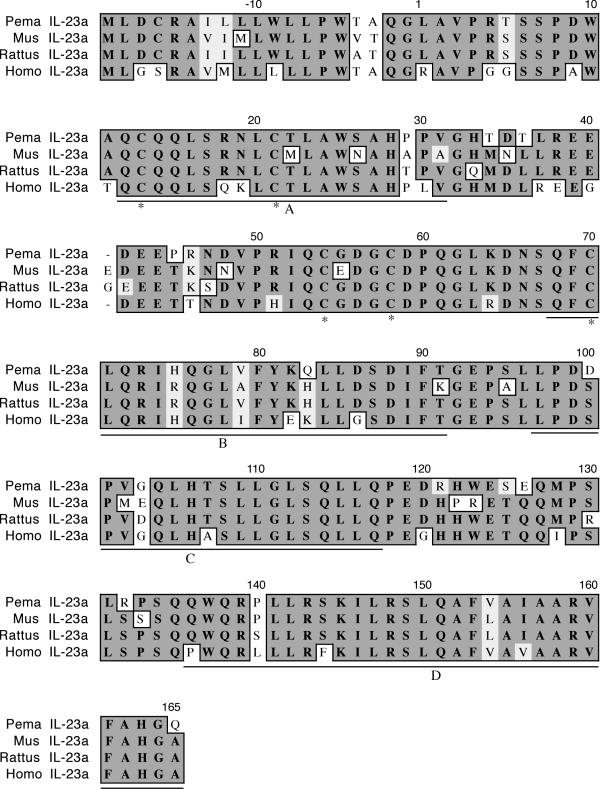
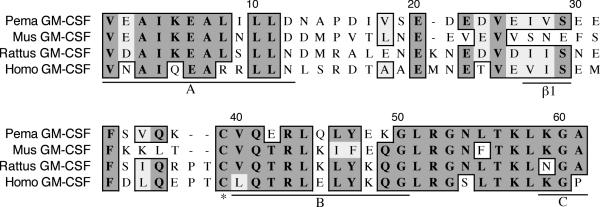
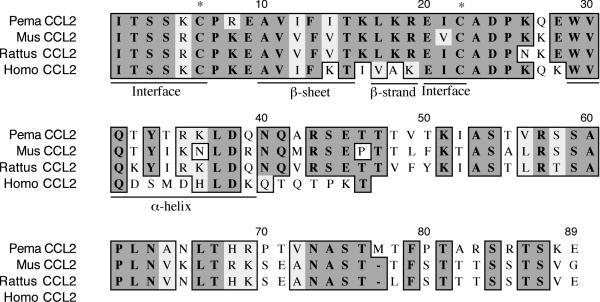
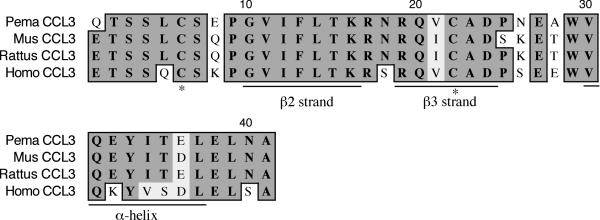
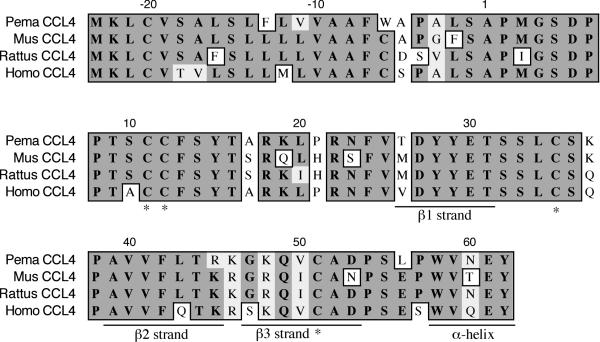
We established a colony of SNV antibody-negative deer mice and cloned 11 cytokine and chemokine partial cDNA sequences using directed PCR. Most of the deer mouse sequences were highly conserved with orthologous sequences from other rodent species and functional domains were identified in each putative polypeptide.
The availability of these sequences will allow the examination of the role of these cytokines in deer mouse responses to infection with Sin Nombre virus.
汉他病毒(SNV)在鹿鼠(白足鼠)中建立持续感染。针对SNV感染会产生强烈的抗体反应,但先天免疫反应的作用尚不清楚。为了解决这个问题,我们已着手鉴定和表征鹿鼠的细胞因子和趋化因子基因。此类细胞因子和趋化因子参与免疫的各个方面,包括从先天免疫反应到适应性免疫反应的转变、I型和II型反应、白细胞募集到感染部位以及骨髓祖细胞产生成熟细胞。
我们建立了一群SNV抗体阴性的鹿鼠,并使用定向PCR克隆了11个细胞因子和趋化因子的部分cDNA序列。大多数鹿鼠序列与其他啮齿动物物种的直系同源序列高度保守,并且在每个推定的多肽中鉴定出功能域。
这些序列的可得性将有助于研究这些细胞因子在鹿鼠对汉他病毒感染反应中的作用。