Smolik S M, Rose R E, Goodman R H
Department of Molecular and Medical Genetics, Oregon Health Sciences University, Portland 97201-3098.
Mol Cell Biol. 1992 Sep;12(9):4123-31. doi: 10.1128/mcb.12.9.4123-4131.1992.
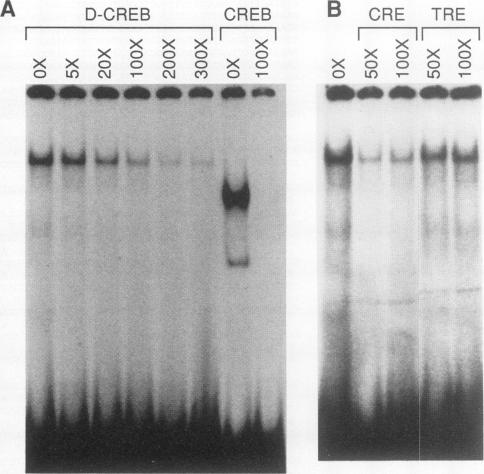
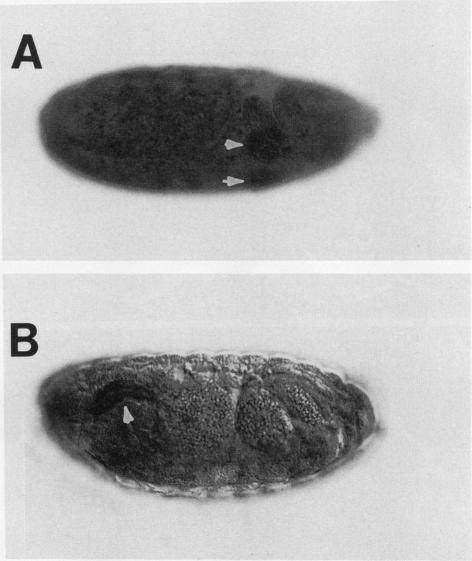
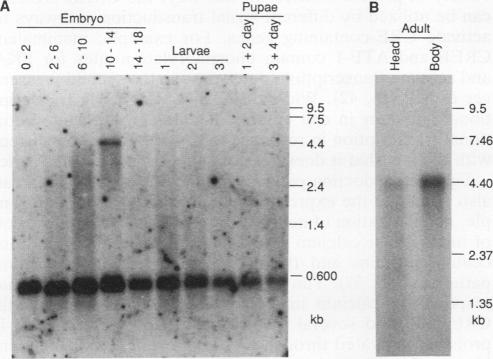
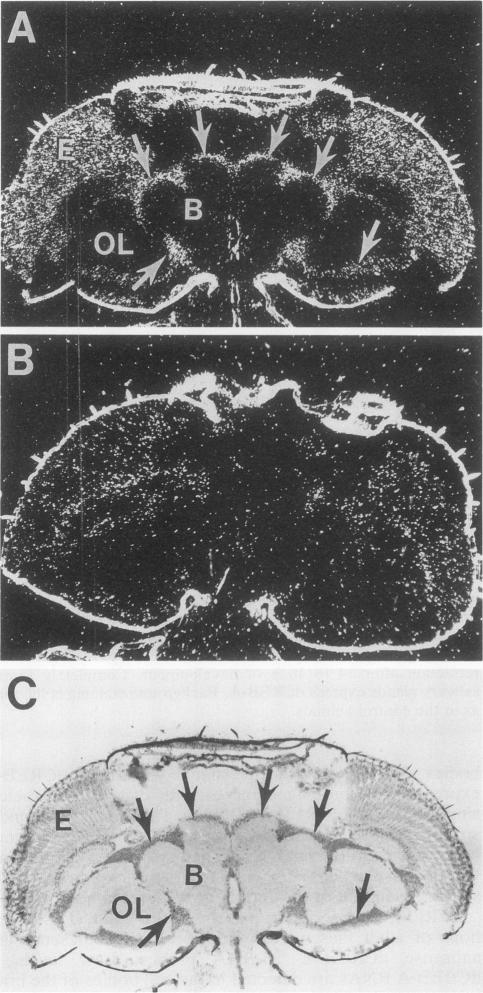
In this report, we describe the isolation and initial characterization of a Drosophila protein, dCREB-A, that can bind the somatostatin cyclic AMP (cAMP)-responsive element and is capable of activating transcription in cell culture. Sequence analysis demonstrates that this protein is a member of the leucine zipper family of transcription factors. dCREB-A is unusual in that it contains six hydrophobic residue iterations in the zipper domain rather than the four or five commonly found in this group of proteins. The DNA-binding domain is more closely related to mammalian CREB than to the AP-1 factors in both sequence homology and specificity of cAMP-responsive element binding. In embryos, dCREB-A is expressed in the developing salivary gland. A more complex pattern of expression is detected in the adult; transcripts are found in the brain and optic lobe cell bodies, salivary gland, and midgut epithelial cells of the cardia. In females, dCREB-A is expressed in the ovarian columnar follicle cells, and in males, dCREB-A RNA is seen in the seminal vesicle, ejaculatory duct, and ejaculatory bulb. These results suggest that the dCREB-A transcription factor may be involved in fertility and neurological functions.