Lauer Jeremy A, Betrán Ana Pilar, Victora Cesar G, de Onís Mercedes, Barros Aluísio J D
Department of Health System Financing, Expenditure and Resource Allocation, World Health Organization, 1211 Geneva 27, Switzerland.
BMC Med. 2004 Jul 1;2:26. doi: 10.1186/1741-7015-2-26.
Suboptimal breastfeeding is associated with higher mortality among infants and young children in the developing world. We describe patterns in 'exclusive breastfeeding' and 'any breastfeeding' rates and quantify exposure to suboptimal breastfeeding among children aged two years or younger in developing countries.
We reviewed nationally representative surveys that collected data on breastfeeding rates in 94 developing countries. Surveys were categorized by completeness and comprehensiveness of data. Complete and comprehensive data were analysed with minimum chi-square regression. With a fitting procedure, estimated parameters were used to impute missing observations for incomplete or non-comprehensive surveys. Breastfeeding indicators were calculated and are reported for 135 developing countries by UN region.
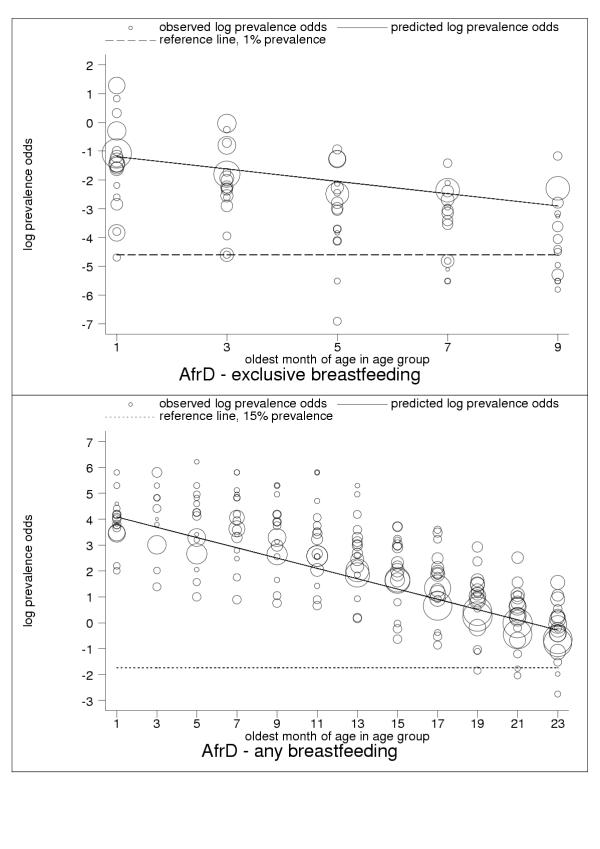
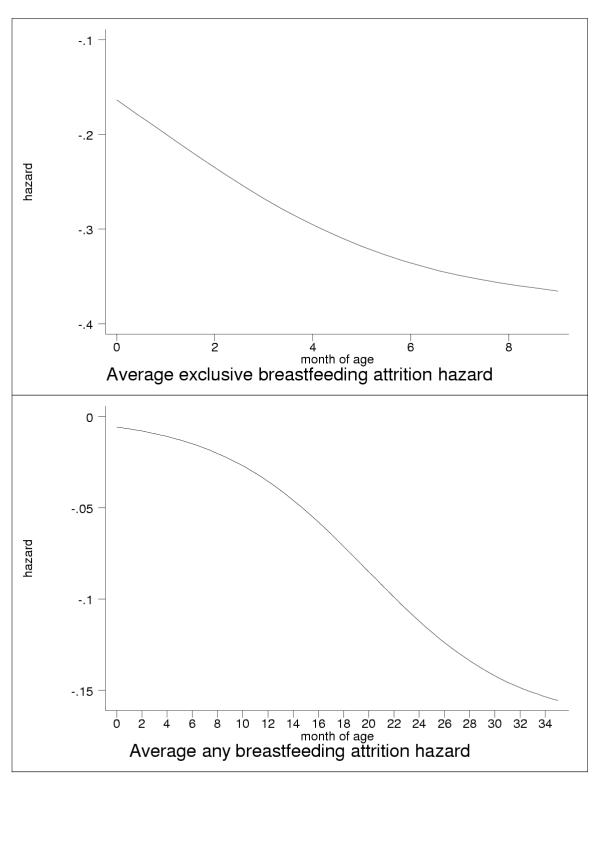
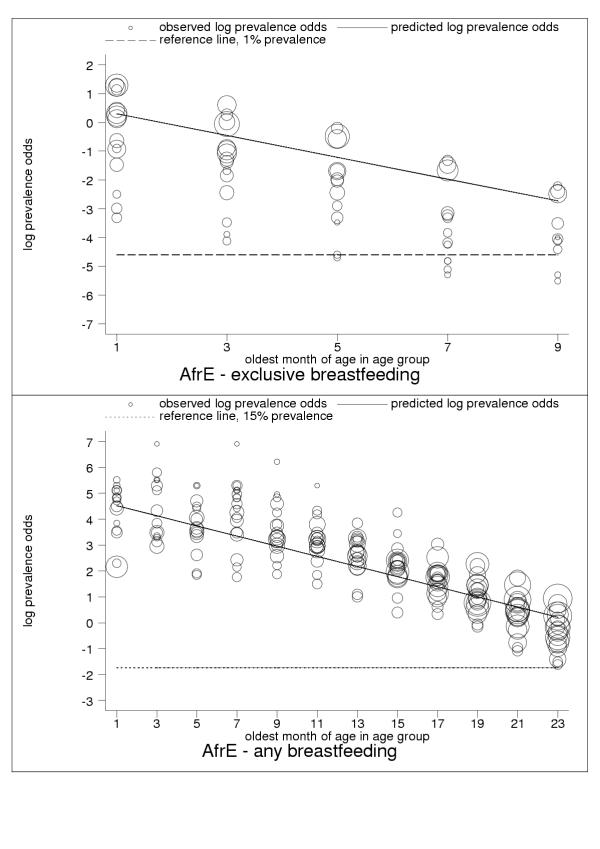
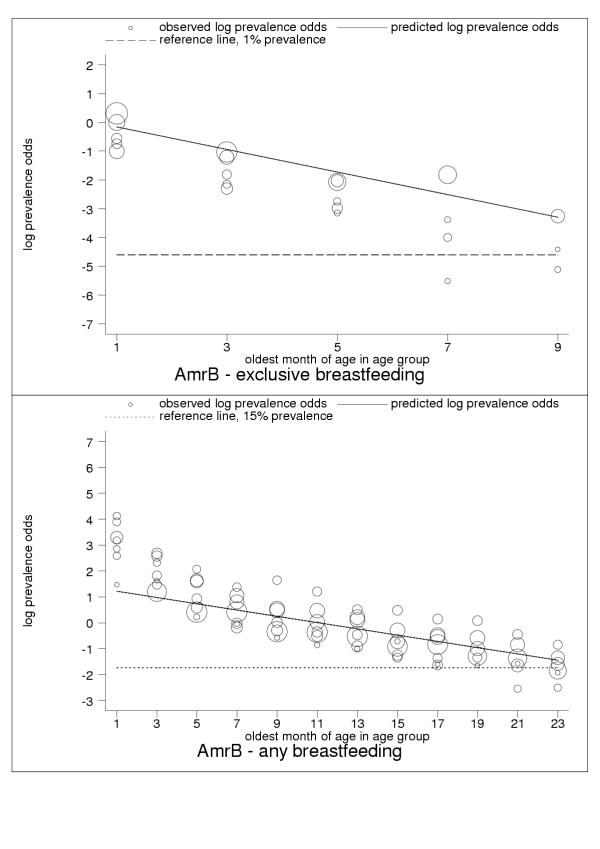
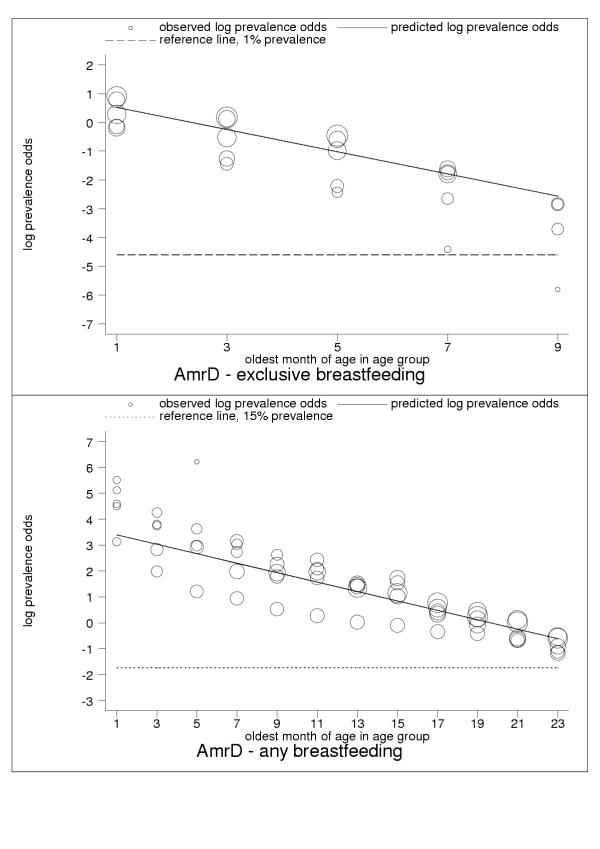
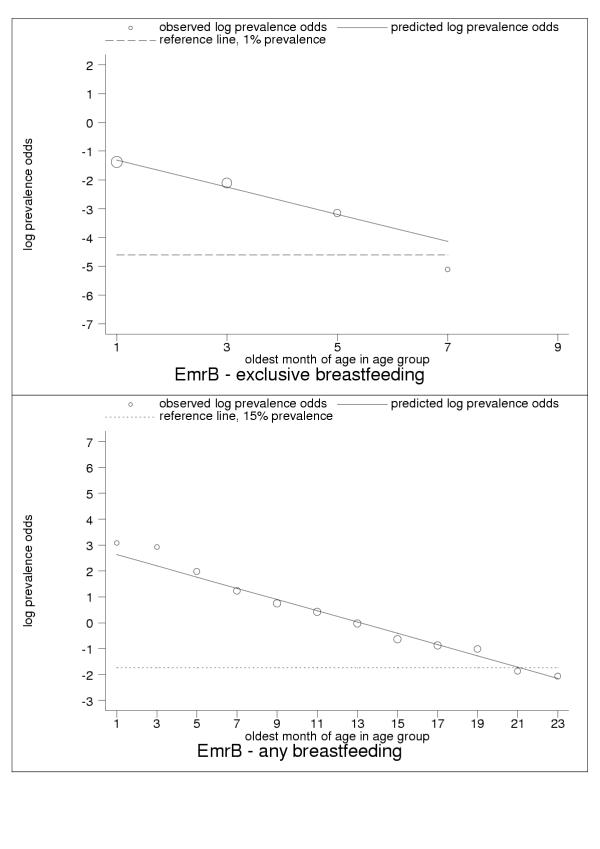
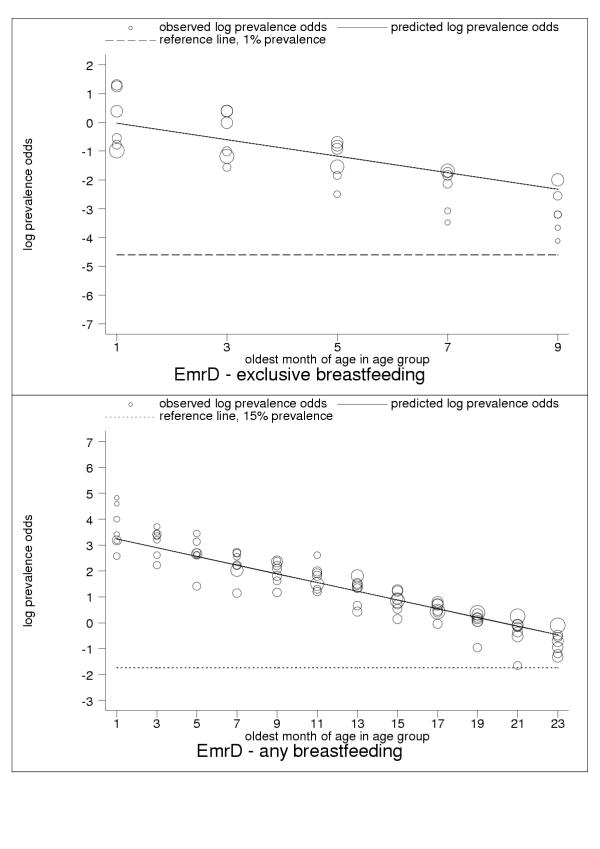
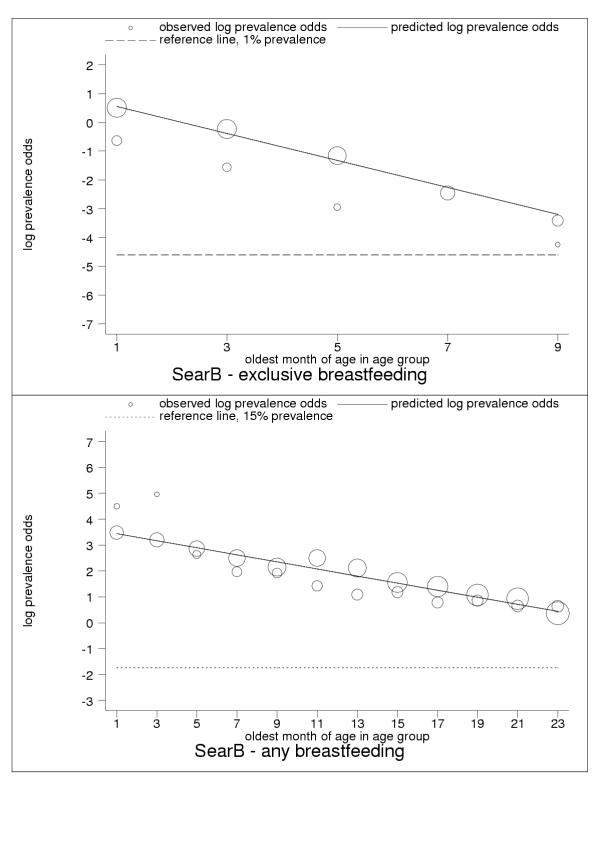
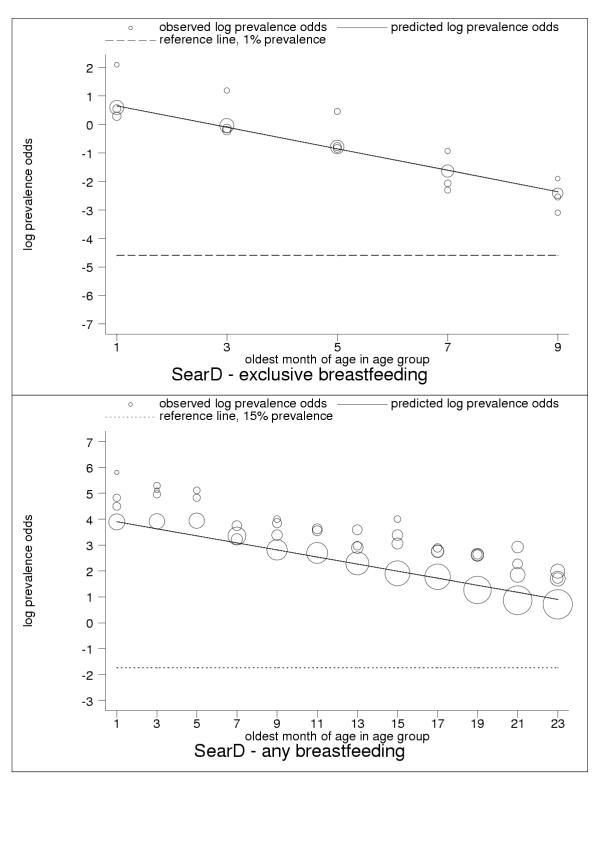
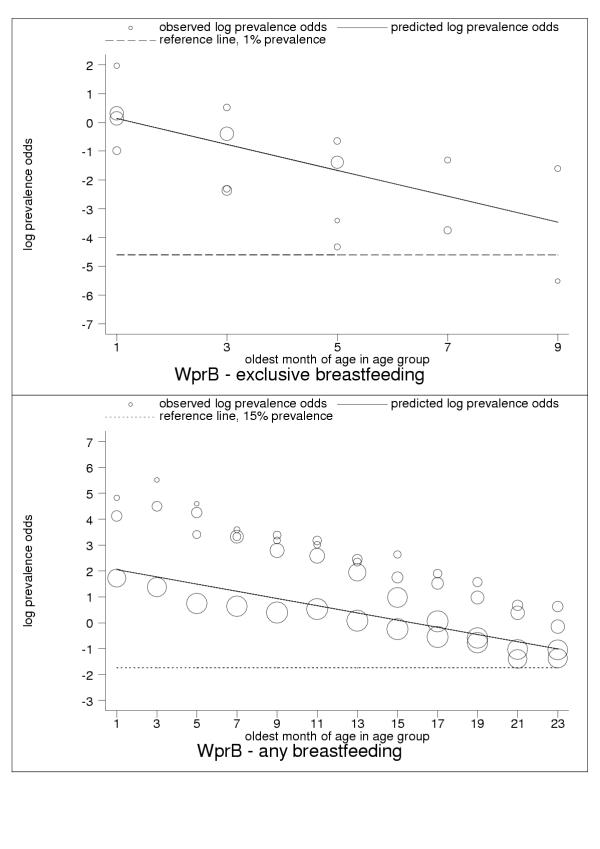
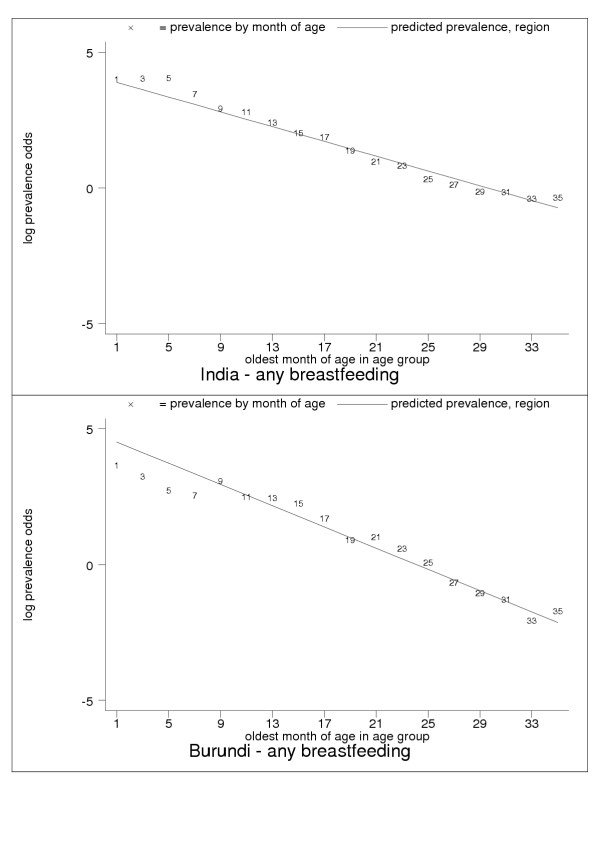
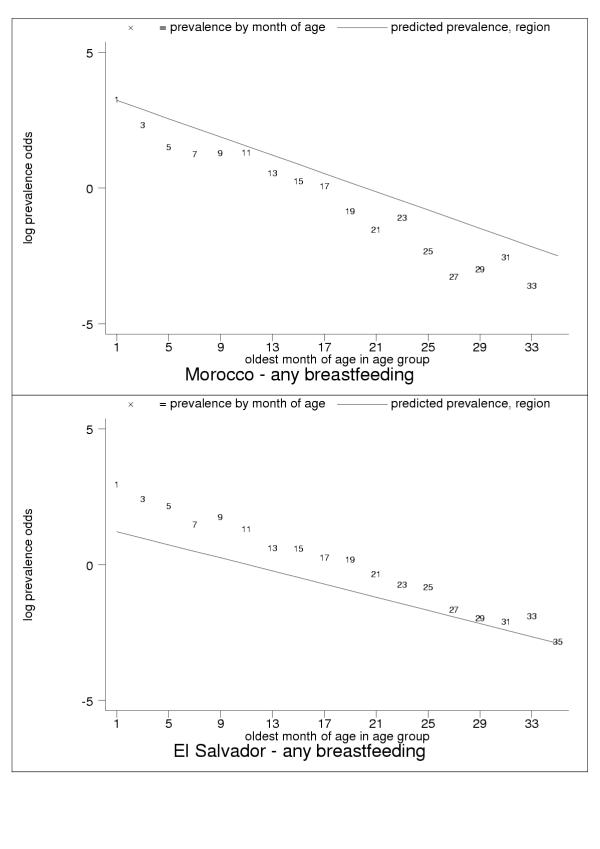
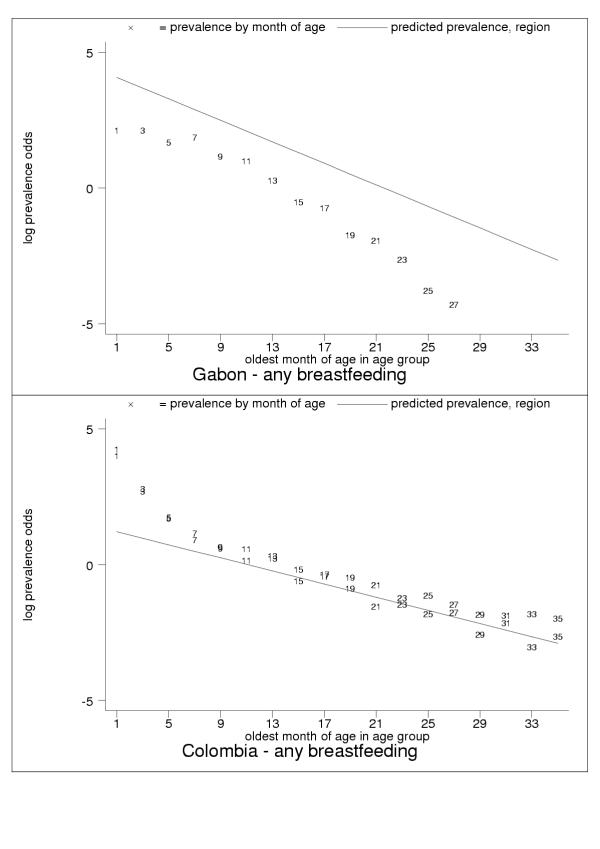
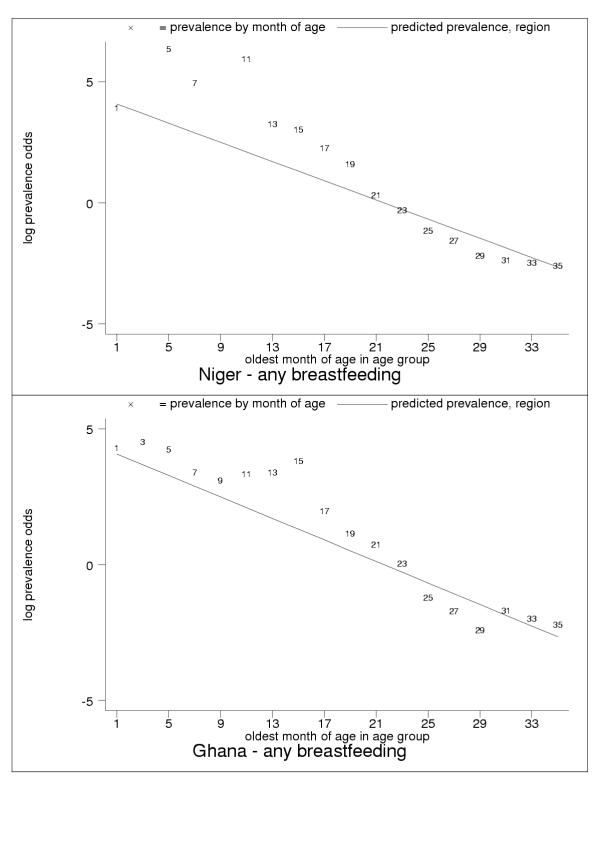
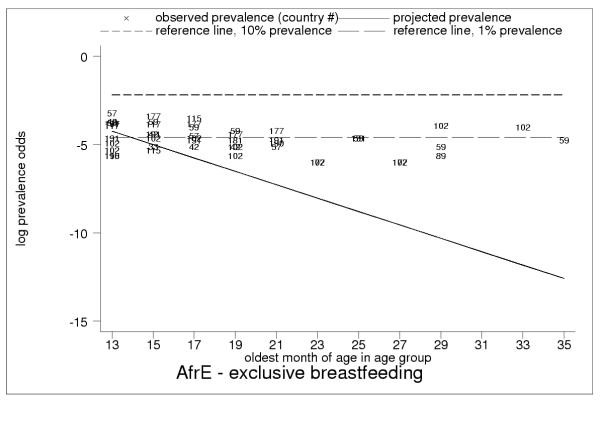
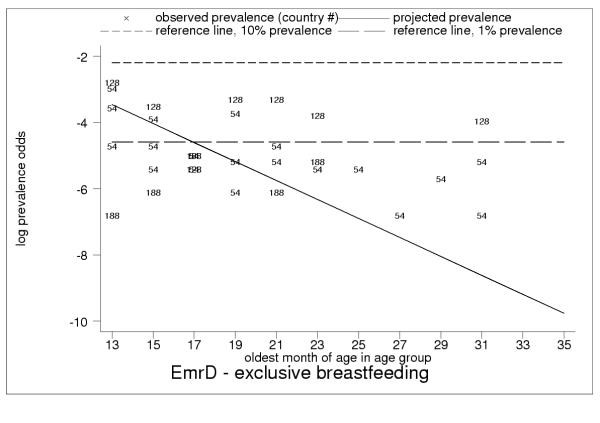
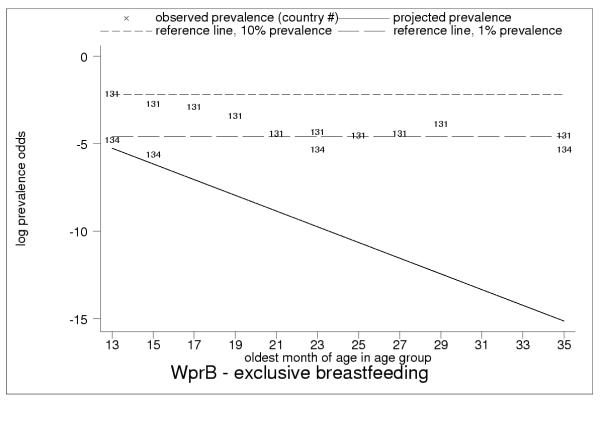
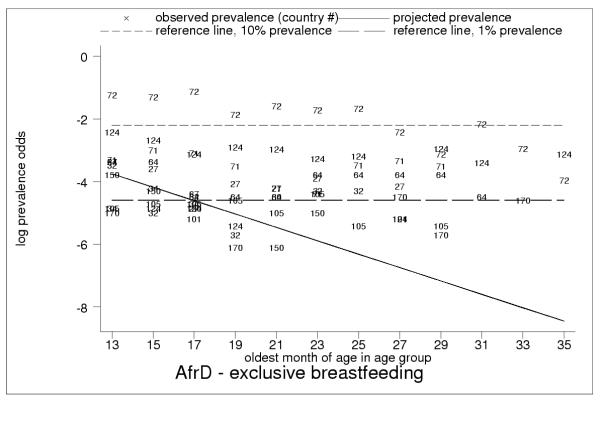
Amongst infants aged six months or younger in the developing world, the prevalence of exclusive breastfeeding is 39% and the prevalence of no breastfeeding is 5.6%. The prevalence of continued breastfeeding is 86% and 68% for infants and children aged 6-11 and 12-23 months, respectively, in the developing world. Imputation expands population coverage of indicators, especially for infants. Breastfeeding trends are highly linear and estimated parameters defining the age-specific attrition hazard are robust. Survey-reported rates, particularly for exclusive breastfeeding, appear to have systematic upward bias, and exposure estimates must be considered conservative.
Compliance with breastfeeding recommendations in developing countries is low, and more attention should be given to increasing breastfeeding - especially exclusive breastfeeding - and to monitoring trends. Although the introduction of more standardized and better validated survey instruments is desirable, since data coverage, completeness and comprehensiveness are extensive, global exposure assessment is relatively robust. Moreover, the regularity of breastfeeding patterns show existing survey data capture real biological and social phenomena. Our method for the analysis of breastfeeding rates provides a potent tool for summarizing trends, validating observations, translating and extrapolating indicators (as well as projecting and imputing estimates when necessary) and should support more effective child health monitoring.
在发展中国家,母乳喂养不充分与婴幼儿较高的死亡率相关。我们描述了“纯母乳喂养”和“任何形式母乳喂养”率的模式,并对发展中国家2岁及以下儿童中暴露于非最佳母乳喂养的情况进行量化。
我们回顾了94个发展中国家收集母乳喂养率数据的具有全国代表性的调查。调查按数据的完整性和全面性进行分类。对完整和全面的数据进行最小卡方回归分析。通过拟合程序,使用估计参数对不完整或不全面调查的缺失观测值进行插补。计算母乳喂养指标,并按联合国区域报告135个发展中国家的情况。
在发展中国家6个月及以下的婴儿中,纯母乳喂养的患病率为39%,未进行母乳喂养的患病率为5.6%。在发展中国家,6至11个月和12至23个月的婴儿及儿童继续母乳喂养的患病率分别为86%和68%。插补扩大了指标的人口覆盖范围,尤其是对婴儿而言。母乳喂养趋势呈高度线性,定义年龄特异性损耗风险的估计参数很稳健。调查上报的率,特别是纯母乳喂养的率,似乎存在系统性的向上偏差,因此暴露估计值必须被视为保守的。
发展中国家对母乳喂养建议的依从性较低,应更加关注增加母乳喂养——尤其是纯母乳喂养——并监测趋势。虽然引入更标准化和经过更好验证的调查工具是可取的,但由于数据覆盖范围、完整性和全面性都很广泛,全球暴露评估相对稳健。此外,母乳喂养模式的规律性表明现有调查数据捕捉到了真实的生物学和社会现象。我们分析母乳喂养率的方法为总结趋势(以及在必要时进行估计的预测和插补)、验证观测结果、转换和外推指标提供了一个有力工具,应该有助于更有效地监测儿童健康。