Helmlinger Dominique, Hardy Sara, Abou-Sleymane Gretta, Eberlin Adrien, Bowman Aaron B, Gansmüller Anne, Picaud Serge, Zoghbi Huda Y, Trottier Yvon, Tora Làszlò, Devys Didier
Department of Molecular Pathology, Institut de Génétique et de Biologie Moléculaire et Cellulaire, CNRS/INSERM/ULP, Illkirch, France.
PLoS Biol. 2006 Mar;4(3):e67. doi: 10.1371/journal.pbio.0040067. Epub 2006 Feb 28.
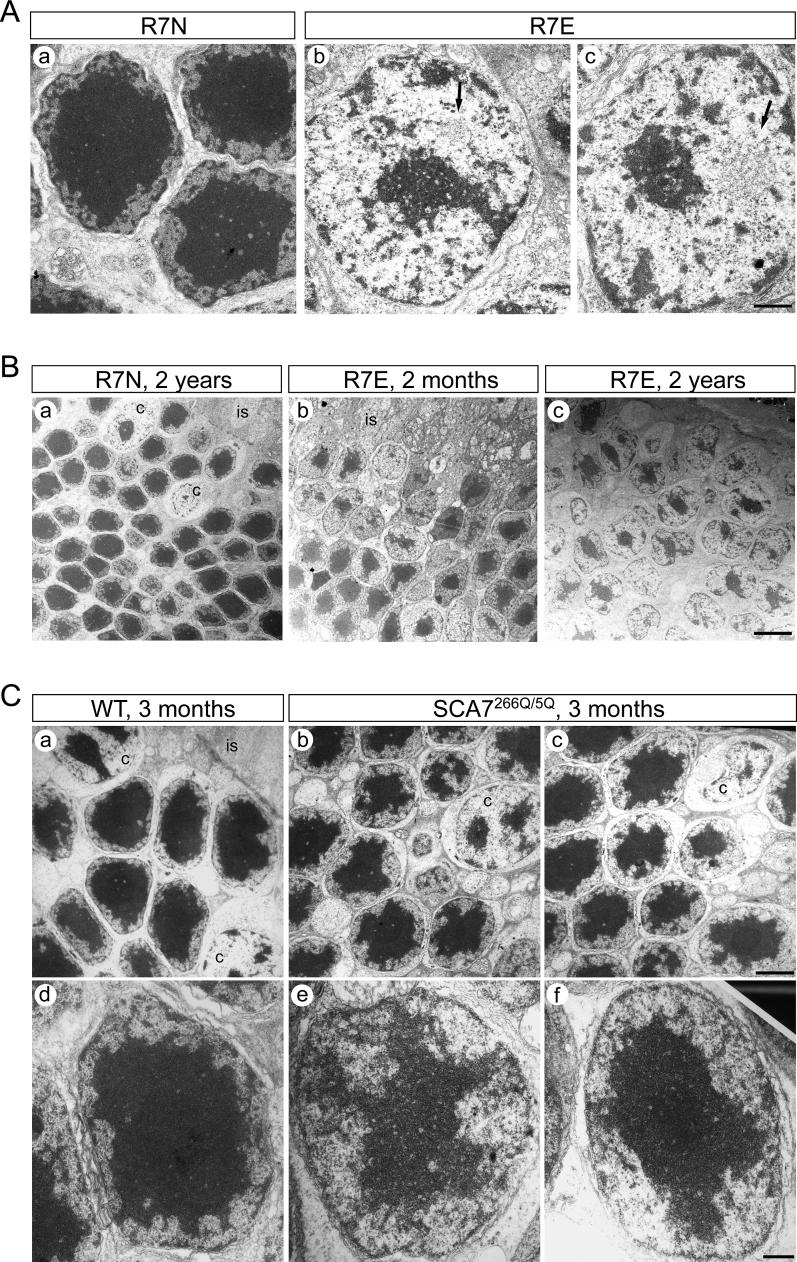
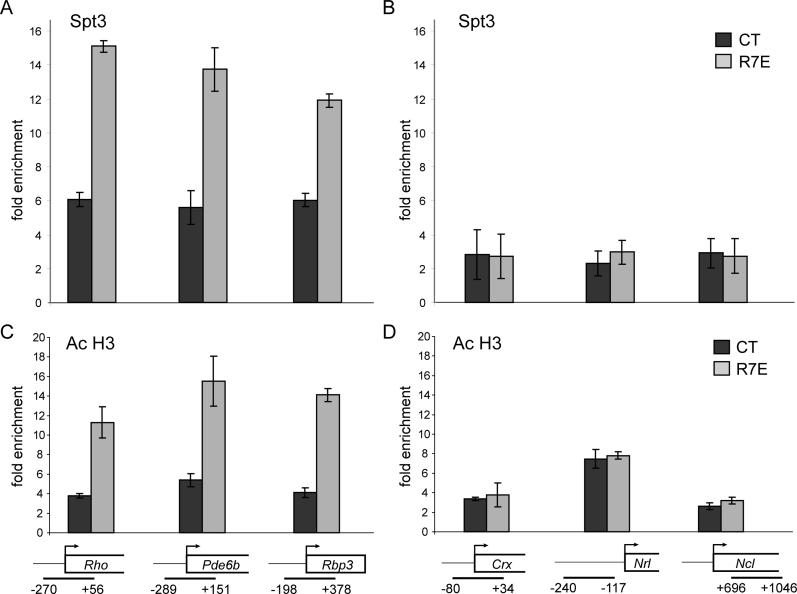
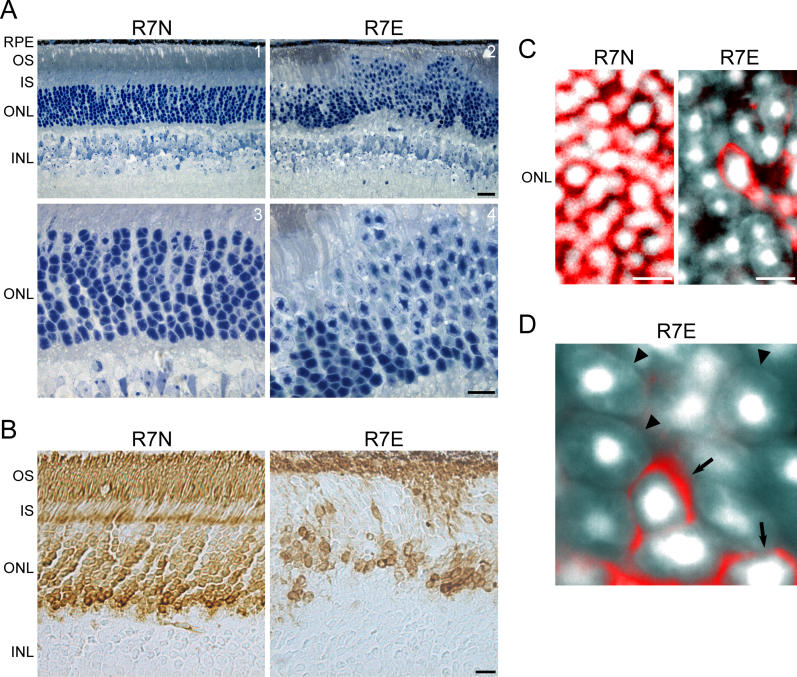
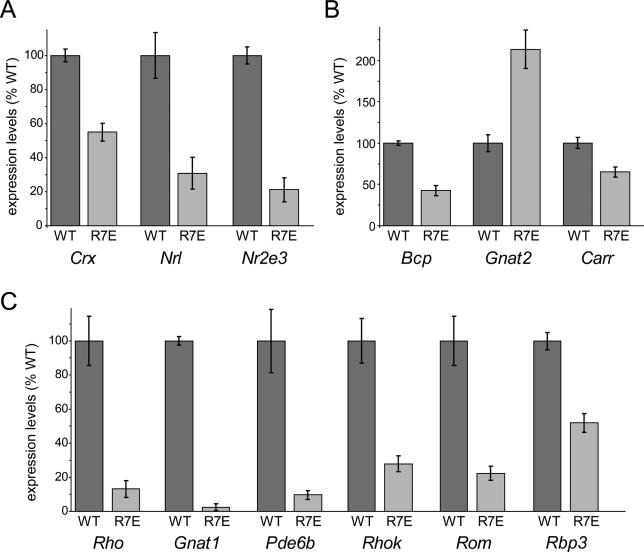
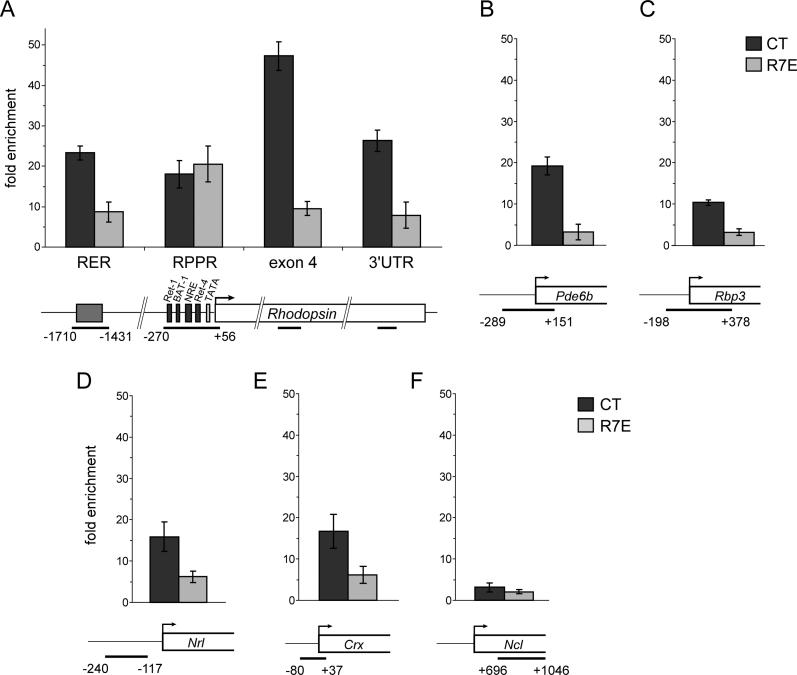
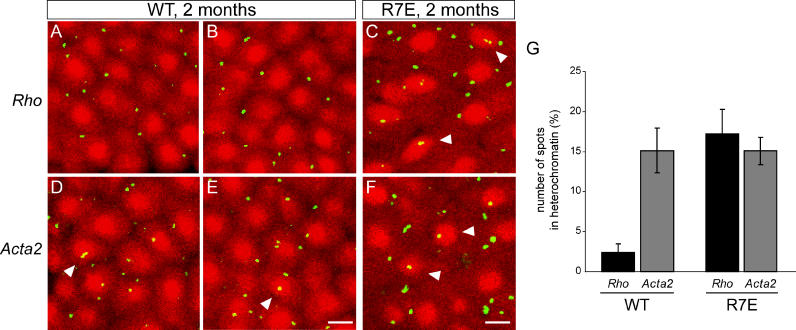
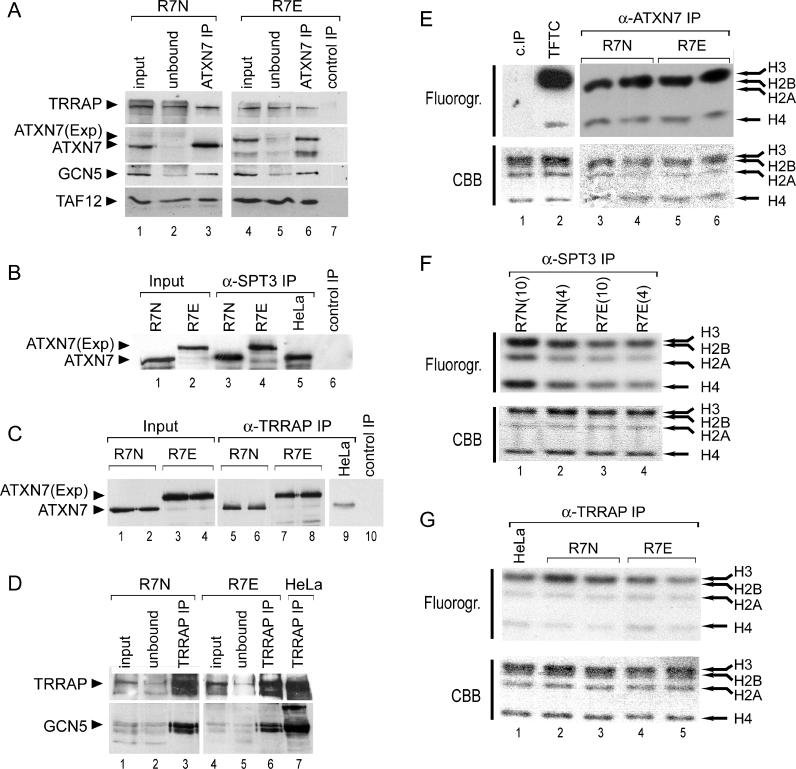
Spinocerebellar ataxia type 7 (SCA7) is one of several inherited neurodegenerative disorders caused by a polyglutamine (polyQ) expansion, but it is the only one in which the retina is affected. Increasing evidence suggests that transcriptional alterations contribute to polyQ pathogenesis, although the mechanism is unclear. We previously demonstrated that the SCA7 gene product, ataxin-7 (ATXN7), is a subunit of the GCN5 histone acetyltransferase-containing coactivator complexes TFTC/STAGA. We show here that TFTC/STAGA complexes purified from SCA7 mice have normal TRRAP, GCN5, TAF12, and SPT3 levels and that their histone or nucleosomal acetylation activities are unaffected. However, rod photoreceptors from SCA7 mouse models showed severe chromatin decondensation. In agreement, polyQ-expanded ataxin-7 induced histone H3 hyperacetylation, resulting from an increased recruitment of TFTC/STAGA to specific promoters. Surprisingly, hyperacetylated genes were transcriptionally down-regulated, and expression analysis revealed that nearly all rod-specific genes were affected, leading to visual impairment in SCA7 mice. In conclusion, we describe here a set of events accounting for SCA7 pathogenesis in the retina, in which polyQ-expanded ATXN7 deregulated TFTC/STAGA recruitment to a subset of genes specifically expressed in rod photoreceptors, leading to chromatin alterations and consequent progressive loss of rod photoreceptor function.
7型脊髓小脑共济失调(SCA7)是由多聚谷氨酰胺(polyQ)扩增引起的几种遗传性神经退行性疾病之一,但它是唯一累及视网膜的疾病。越来越多的证据表明转录改变参与了polyQ致病过程,尽管其机制尚不清楚。我们之前证明,SCA7基因产物ataxin-7(ATXN7)是含GCN5组蛋白乙酰转移酶的共激活复合物TFTC/STAGA的一个亚基。我们在此表明,从SCA7小鼠中纯化的TFTC/STAGA复合物具有正常水平的TRRAP、GCN5、TAF12和SPT3,且其组蛋白或核小体乙酰化活性未受影响。然而,SCA7小鼠模型的视杆光感受器显示出严重的染色质解聚。与此一致的是,polyQ扩增的ataxin-7诱导组蛋白H3高度乙酰化,这是由于TFTC/STAGA更多地募集到特定启动子所致。令人惊讶的是,高度乙酰化的基因转录下调,表达分析显示几乎所有视杆特异性基因均受影响,导致SCA7小鼠出现视力损害。总之,我们在此描述了一组导致视网膜中SCA7发病机制的事件,其中polyQ扩增的ATXN7使TFTC/STAGA募集失调至视杆光感受器中特异性表达的一部分基因,导致染色质改变,进而导致视杆光感受器功能逐渐丧失。