Obaro Stephen K, Madhi Shabir A
Children's Hospital of Pittsburgh, Pittsburgh, PA 15213-2583, USA.
Lancet Infect Dis. 2006 Mar;6(3):150-61. doi: 10.1016/S1473-3099(06)70411-X.
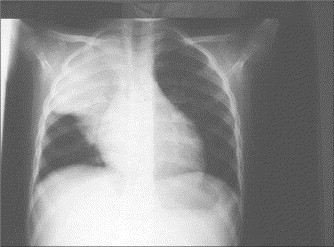
Bacterial pneumonia is a substantial cause of childhood morbidity and mortality worldwide, but determination of pathogen-specific burden remains a challenge. In less developed settings, the WHO recommended guidelines are useful for initiating care, but are non-specific. Blood culture has low sensitivity, while radiological findings are non-specific and do not discriminate between viral and bacterial causes of pneumonia. In vaccine probe studies, efficacy is dependent on the specificity of the study outcome to detect pneumonia and the impact of the vaccine on the selected outcome, and may underestimate the true burden of bacterial pneumonia. The rising incidence of antibiotic resistance, emerging respiratory pathogens, potential replacement pneumococcal disease following widespread introduction of pneumococcal polysaccharide-protein conjugate vaccine, the limited specificity of chest radiography, and the poor sensitivity of blood culture are substantial obstacles to accurate surveillance. We provide an overview of the diagnostic challenges of bacterial pneumonia and highlight the need for refining the current diagnostic approach to ensure adequate epidemiological surveillance of childhood pneumonia and the success, or otherwise, of any immunisation strategies.
在全球范围内,细菌性肺炎是儿童发病和死亡的一个重要原因,但确定病原体特异性负担仍然是一项挑战。在欠发达地区,世界卫生组织推荐的指南对启动治疗很有用,但不具有特异性。血培养敏感性低,而影像学表现不具有特异性,无法区分肺炎的病毒和细菌病因。在疫苗探索性研究中,疗效取决于研究结果检测肺炎的特异性以及疫苗对所选结果的影响,可能会低估细菌性肺炎的真实负担。抗生素耐药性的上升、新出现的呼吸道病原体、广泛引入肺炎球菌多糖 - 蛋白结合疫苗后可能出现的替代肺炎球菌疾病、胸部X光检查特异性有限以及血培养敏感性差,都是准确监测的重大障碍。我们概述了细菌性肺炎的诊断挑战,并强调需要改进当前的诊断方法,以确保对儿童肺炎进行充分的流行病学监测以及任何免疫策略的成败。