Rajasingh Hannah, Øyehaug Leiv, Våge Dag Inge, Omholt Stig W
Centre for Integrative Genetics (CIGENE) and Department of Animal and Aquacultural Sciences, Norwegian University of Life Sciences (UMB), 1430 As, Norway.
BMC Biol. 2006 Apr 18;4:10. doi: 10.1186/1741-7007-4-10.
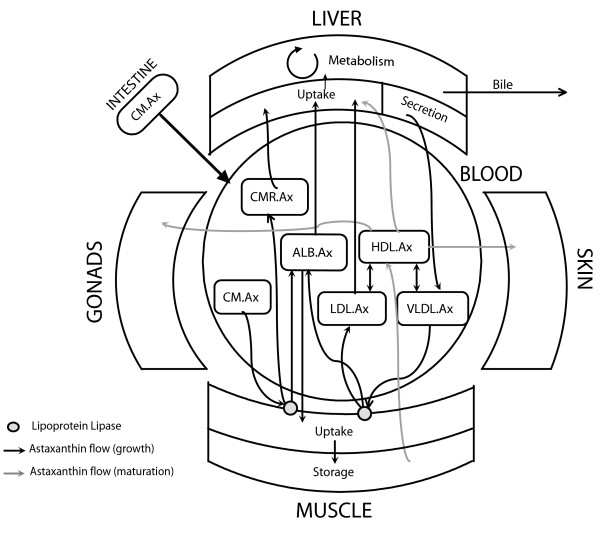
Carotenoids are pigment molecules produced mainly in plants and heavily exploited by a wide range of organisms higher up in the food-chain. The fundamental processes regulating how carotenoids are absorbed and metabolized in vertebrates are still not fully understood. We try to further this understanding here by presenting a dynamic ODE (ordinary differential equation) model to describe and analyse the uptake, deposition, and utilization of a carotenoid at the whole-organism level. The model focuses on the pigment astaxanthin in Atlantic salmon because of the commercial importance of understanding carotenoid dynamics in this species, and because deposition of carotenoids in the flesh is likely to play an important life history role in anadromous salmonids.
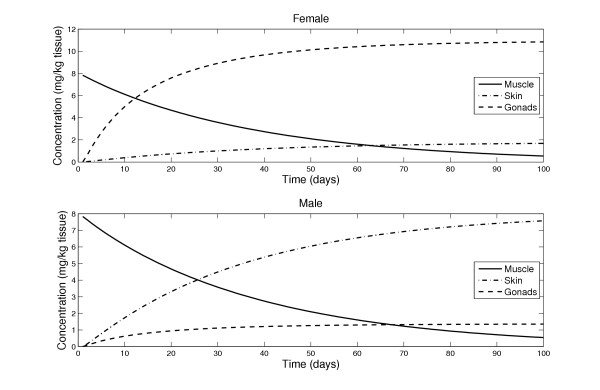
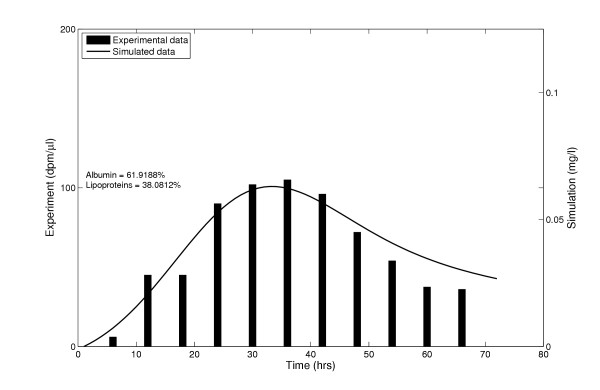
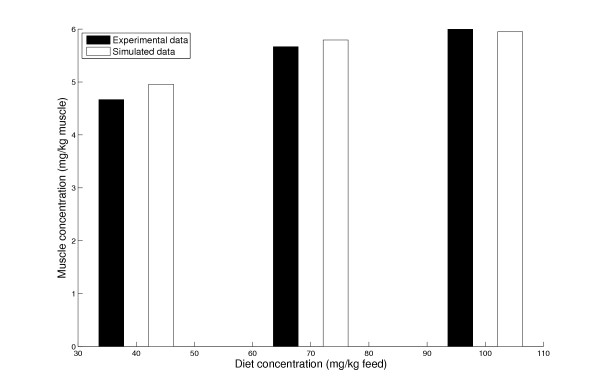
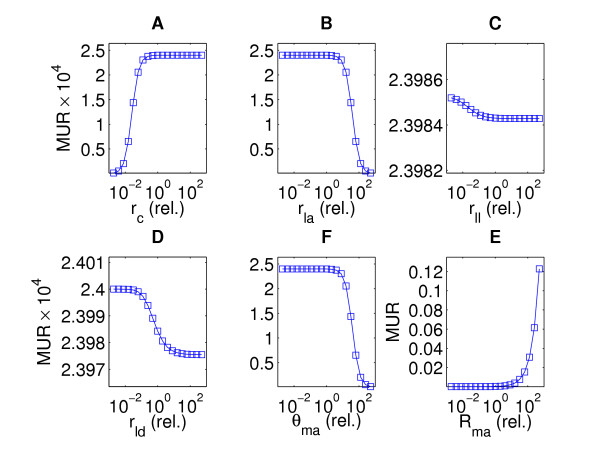
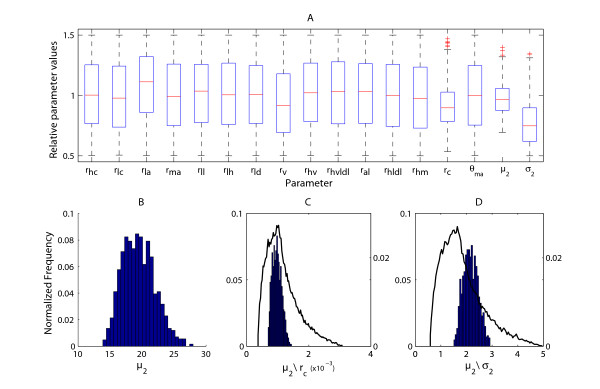
The model is capable of mimicking feed experiments analyzing astaxanthin uptake and retention over short and long time periods (hours, days and years) under various conditions. A sensitivity analysis of the model provides information on where to look for possible genetic determinants underlying the observed phenotypic variation in muscle carotenoid retention. Finally, the model framework is used to predict that a specific regulatory system controlling the release of astaxanthin from the muscle is not likely to exist, and that the release of the pigment into the blood is instead caused by the androgen-initiated autolytic degradation of the muscle in the sexually mature salmon.
The results show that a dynamic model describing a complex trait can be instrumental in the early stages of a project trying to uncover underlying determinants. The model provides a heuristic basis for an experimental research programme, as well as defining a scaffold for modelling carotenoid dynamics in mammalian systems.
类胡萝卜素是主要在植物中产生的色素分子,被食物链中更高级别的多种生物大量利用。调节类胡萝卜素在脊椎动物体内如何吸收和代谢的基本过程仍未完全了解。我们在此通过提出一个动态常微分方程(ODE)模型来描述和分析类胡萝卜素在整个生物体水平上的摄取、沉积和利用,以进一步加深这方面的理解。该模型聚焦于大西洋鲑鱼中的虾青素色素,这是因为了解该物种中类胡萝卜素动态具有商业重要性,并且类胡萝卜素在鱼肉中的沉积可能在溯河产卵鲑科鱼类的重要生活史中发挥作用。
该模型能够模拟在各种条件下分析虾青素在短时间和长时间(数小时、数天和数年)内摄取和保留情况的饲料实验。对该模型的敏感性分析提供了有关在何处寻找观察到的肌肉类胡萝卜素保留表型变异潜在遗传决定因素的信息。最后,该模型框架用于预测不太可能存在控制虾青素从肌肉中释放的特定调节系统,而是在性成熟的鲑鱼中,色素向血液中的释放是由雄激素引发的肌肉自溶降解导致的。
结果表明,描述复杂性状的动态模型在试图揭示潜在决定因素的项目早期阶段可能会有所帮助。该模型为实验研究计划提供了启发式基础,同时也为在哺乳动物系统中模拟类胡萝卜素动态定义了一个框架。