Thompson Cynthia K
Aphasia and Neurolinguistics Research Laboratory, Department of Communication Sciences and Disorders, and Neurology, Northwestern University, 2240 Campus Drive, Evanston, IL 60208, USA.
J Commun Disord. 2006 Jul-Aug;39(4):266-91. doi: 10.1016/j.jcomdis.2006.02.003. Epub 2006 Apr 25.
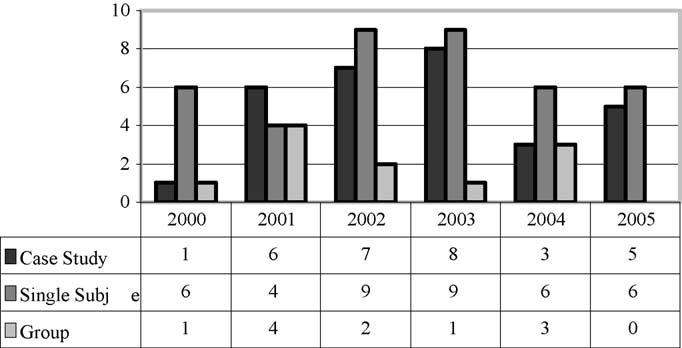
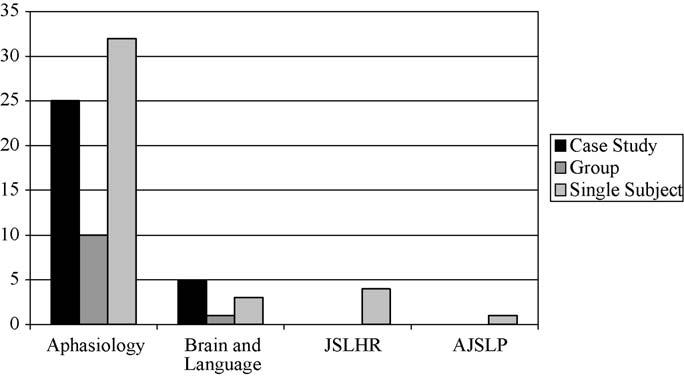
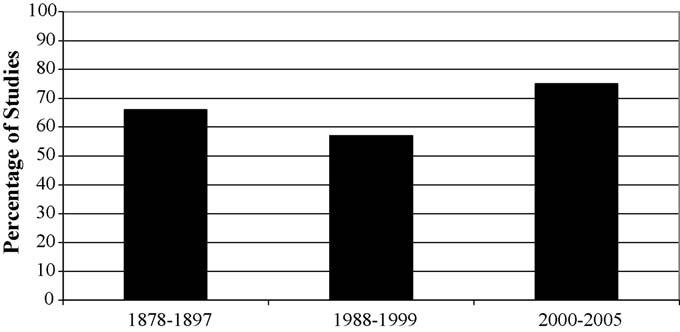
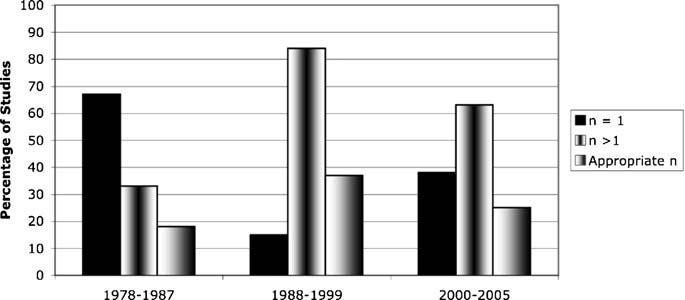
This paper discusses the use of single subject controlled experimental designs for investigating the effects of treatment for aphasia. A brief historical perspective is presented, followed by discussions of the advantages and disadvantages of single subject and group approaches, the basic requirements of single subject experimental research, and crucial considerations in design selection. In the final sections, results of reviews of published single subject controlled experiments are discussed, with emphasis on internal validity issues, the number of participants enrolled in published studies, operational specification of the dependent and independent variables, and reliability of measurement.
As a result of reading this paper, the participant will: (1) understand the mechanisms required for demonstration of internal and external validity using single subject controlled experimental designs, (2) become familiar with the basic requirements of single subject controlled experimental research, (3) understand the types of single subject controlled experimental designs that are the most appropriate for studying the effects of treatment for aphasia, and (4) become familiar with trends in the published aphasia treatment literature in which single subject controlled experimental designs have been used.
本文讨论了使用单受试者对照实验设计来研究失语症治疗效果。文章首先给出了简要的历史视角,接着讨论了单受试者和组群方法的优缺点、单受试者实验研究的基本要求以及设计选择中的关键考虑因素。在最后几节中,讨论了已发表的单受试者对照实验的综述结果,重点关注内部效度问题、已发表研究中的参与者数量、因变量和自变量的操作规范以及测量的可靠性。
阅读本文后,读者将能够:(1)理解使用单受试者对照实验设计证明内部和外部效度所需的机制;(2)熟悉单受试者对照实验研究的基本要求;(3)了解最适合研究失语症治疗效果的单受试者对照实验设计类型;(4)熟悉已发表的使用单受试者对照实验设计的失语症治疗文献中的趋势。