Carter B J, de Vroom E, Long E C, van der Marel G A, van Boom J H, Hecht S M
Department of Chemistry, University of Virginia, Charlottesville 22901.
Proc Natl Acad Sci U S A. 1990 Dec;87(23):9373-7. doi: 10.1073/pnas.87.23.9373.
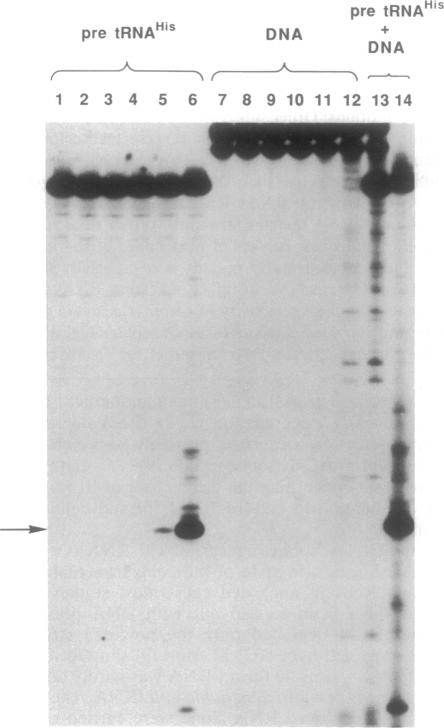
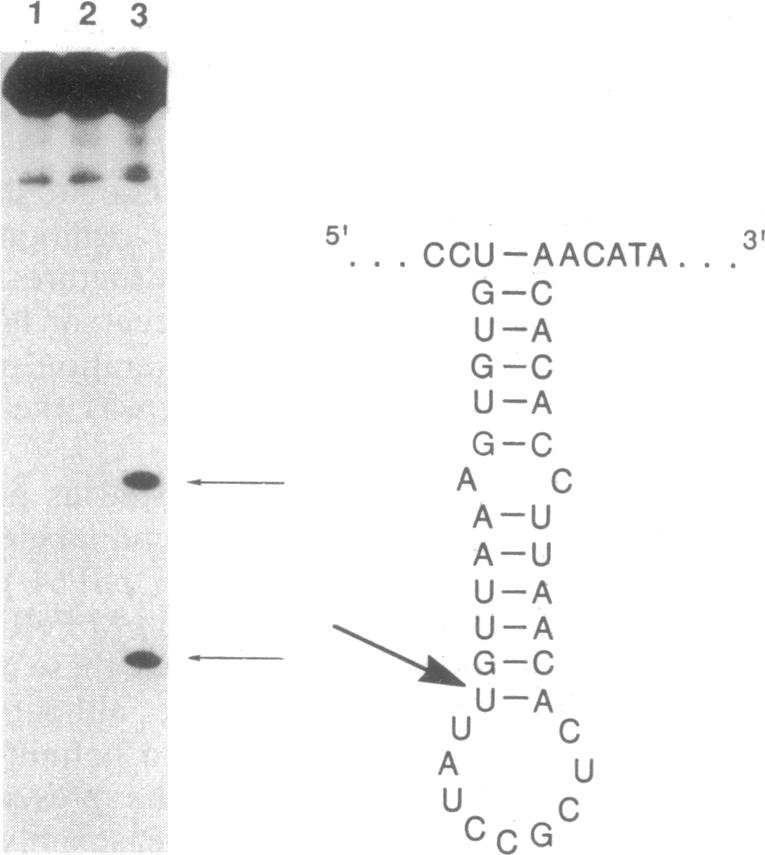
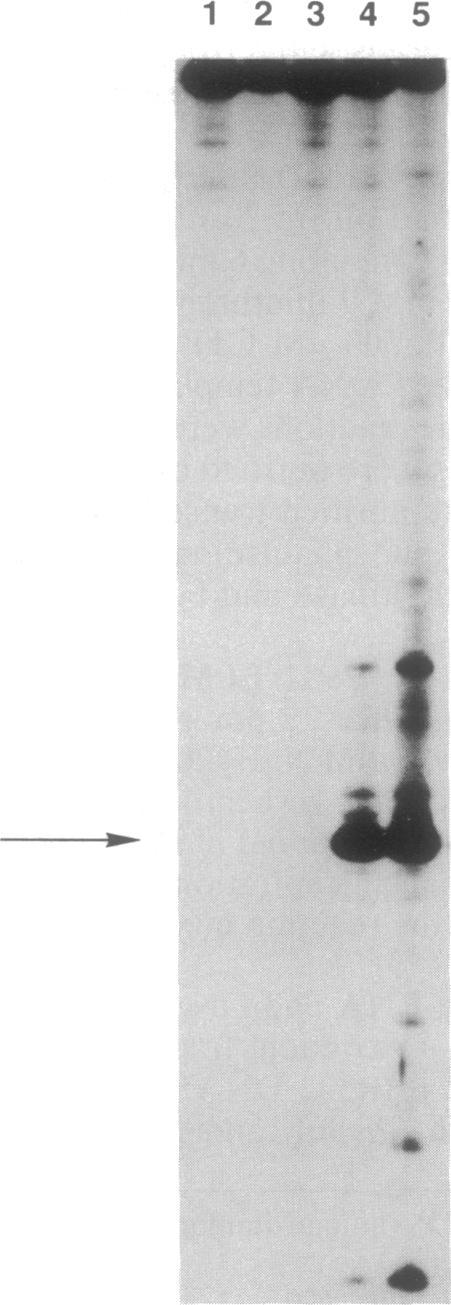
Bleomycin is an antitumor agent whose activity has long been thought to derive from its ability to degrade DNA. Recent findings suggest that cellular RNA may be a therapeutically relevant locus. At micromolar concentrations, Fe(II)-bleomycin readily cleaved a Bacillus subtilis tRNAHis precursor in a highly selective fashion, but Escherichia coli tRNA(Tyr) precursor was largely unaffected even under more forcing conditions. Other substrates included an RNA transcript encoding a large segment of the reverse transcriptase from human immunodeficiency virus 1. RNA cleavage was oxidative, approximately 10-fold more selective than DNA cleavage, and largely unaffected by nonsubstrate RNAs. RNA sequence analysis suggested recognition of RNA tertiary structure, rather than recognition of specific sequences; subsets of nucleotides at the junction of single- and double-stranded regions were especially susceptible to cleavage. The ready accessibility of cellular RNAs to xenobiotic agents, the high selectivity of bleomycin action on RNAs, and the paucity of mechanisms for RNA repair suggest that RNA may be a therapeutically relevant target for bleomycin.
博来霉素是一种抗肿瘤药物,长期以来人们一直认为其活性源于降解DNA的能力。最近的研究结果表明,细胞RNA可能是一个与治疗相关的靶点。在微摩尔浓度下,Fe(II)-博来霉素能以高度选择性的方式轻易切割枯草芽孢杆菌tRNAHis前体,但即使在更苛刻的条件下,大肠杆菌tRNA(Tyr)前体也基本不受影响。其他底物包括编码人类免疫缺陷病毒1逆转录酶大片段的RNA转录本。RNA切割是氧化性的,比DNA切割选择性高约10倍,且基本不受非底物RNA的影响。RNA序列分析表明,识别的是RNA三级结构,而非特定序列;单链和双链区域交界处的核苷酸子集尤其容易被切割。细胞RNA对外源物质的易接近性、博来霉素对RNA作用的高选择性以及RNA修复机制的匮乏表明,RNA可能是博来霉素的一个与治疗相关的靶点。