Rosychuk Rhonda J
Department of Pediatrics, University of Alberta, 9423 Aberhart Centre, Edmonton, Alberta, Canada.
Int J Health Geogr. 2006 Oct 18;5:46. doi: 10.1186/1476-072X-5-46.
Geographic regions are often routinely monitored to identify areas with excess cases of disease. Further epidemiological investigations can be targeted to areas with higher disease rates than expected. Surveillance strategies typically include the calculation of sub-regional rates, and their associated confidence intervals, that are compared with the rate of the entire geographic region. More sophisticated approaches use disease cluster detection methods that require specialized software. These approaches are not the same but may lead to similar results in specific situations. A natural question arises as to when these different approaches lead to the same conclusions. We compare the Besag and Newell 1 cluster detection method, suitable for geographic areas with diverse population sizes, with confidence intervals for crude and directly standardized rates. The cluster detection method tests each area at a pre-specified cluster size. Conditions when these methods agree and disagree are provided. We use a dataset on self-inflicted injuries requiring medical attention as an illustration and give power comparisons for a variety of situations.
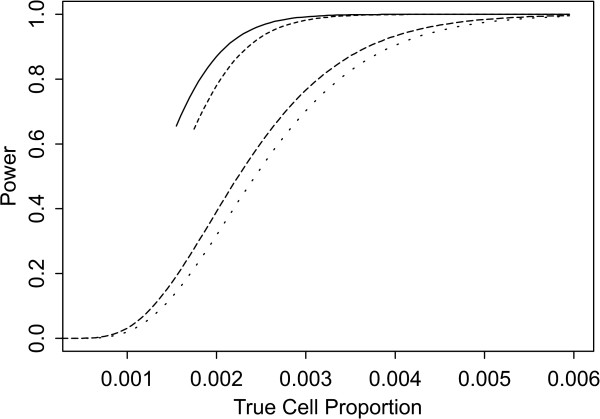
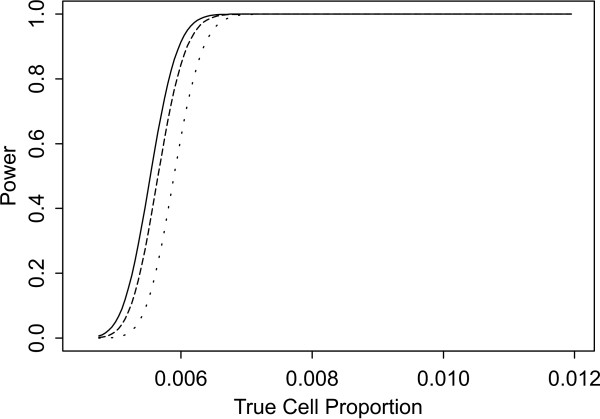
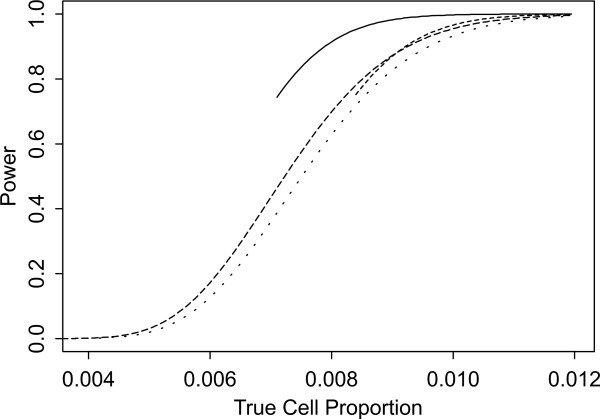
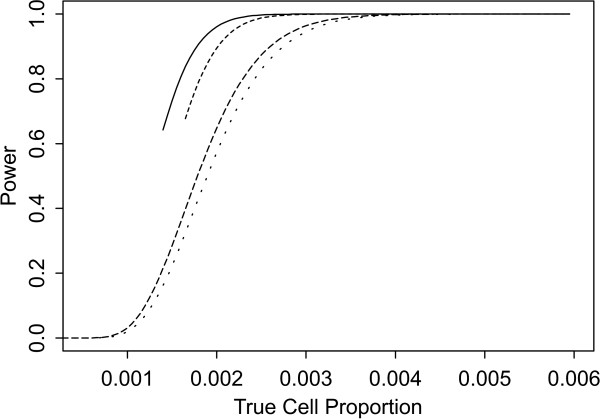
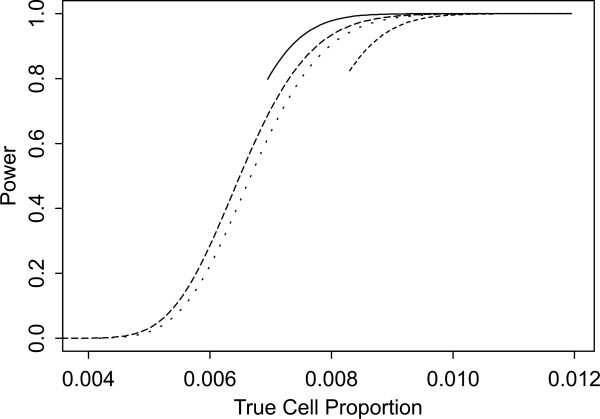
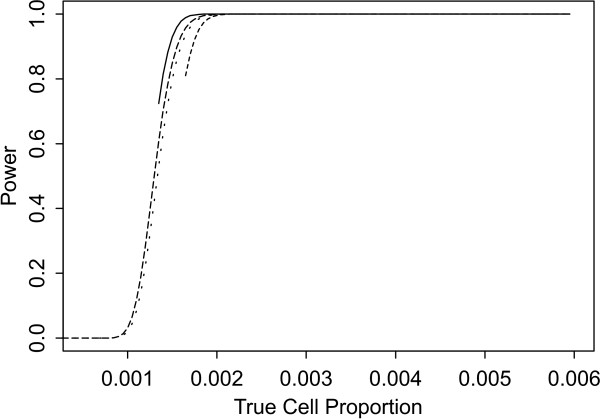
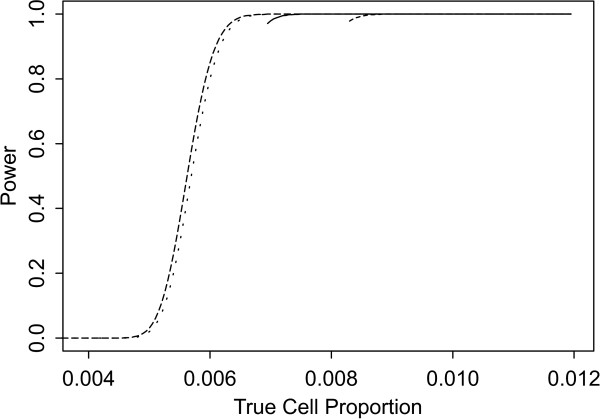
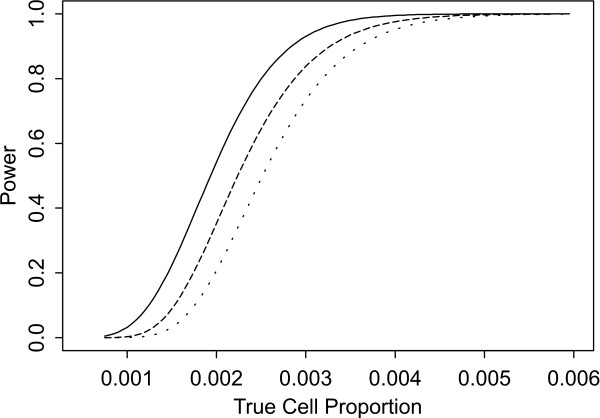
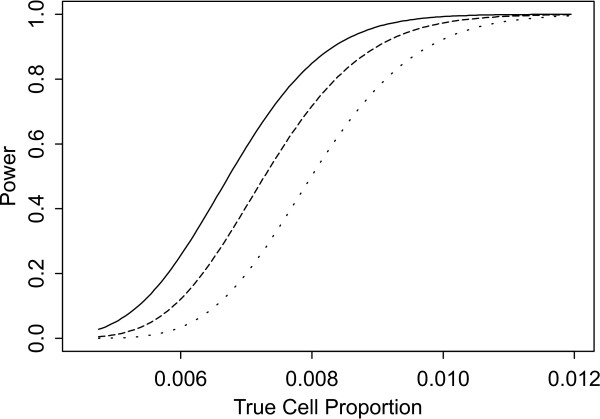
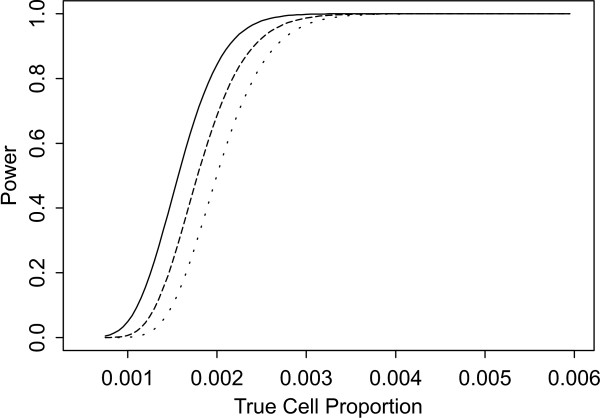
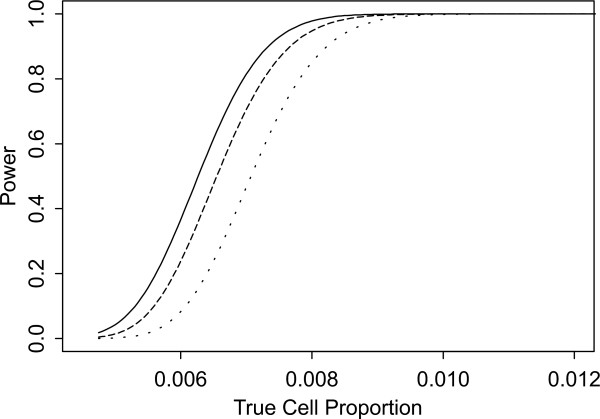
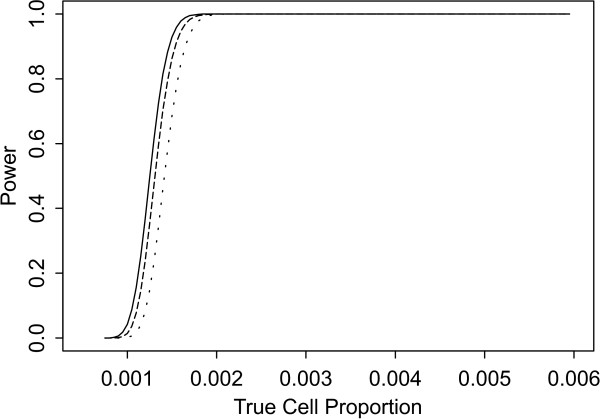
Three conditions must be satisfied for the confidence interval and cluster detection methods to both provide statistically significant higher rates for an individual administrative area. These criteria are based on observed and expected cases above specific thresholds. In our dataset, two areas are significant with both methods and one additional area is identified with the cluster detection method. Power comparisons for different scenarios suggest that the methods have similar power for detecting rates that are twice as large as the overall rate and when the overall rate and sample sizes are not too small. The cluster detection method has better power when the size of the cluster is relatively small.
The cluster size plays a key role in the comparability of methods. The cluster detection method is preferred when the cluster size exceeds the number of cases in an administrative area or when the expected number of cases exceeds a threshold.
通常会对地理区域进行常规监测,以识别疾病病例过多的地区。进一步的流行病学调查可针对疾病发生率高于预期的地区。监测策略通常包括计算次区域发病率及其相关的置信区间,并将其与整个地理区域的发病率进行比较。更复杂的方法使用需要专门软件的疾病聚集性检测方法。这些方法并不相同,但在特定情况下可能会得出相似的结果。一个自然的问题是,这些不同的方法何时会得出相同的结论。我们将适用于人口规模各异的地理区域的贝萨格和纽厄尔1聚集性检测方法与粗发病率和直接标准化发病率的置信区间进行比较。聚集性检测方法会在预先指定的聚集规模下对每个区域进行检测。给出了这些方法一致和不一致的条件。我们以需要医疗救治的自残伤害数据集为例进行说明,并给出了各种情况下的效能比较。
要使置信区间和聚集性检测方法都为单个行政区提供具有统计学意义的更高发病率,必须满足三个条件。这些标准基于高于特定阈值的观察到的和预期的病例数。在我们的数据集中,两种方法都显示有两个区域具有显著性,并且聚集性检测方法还识别出了另外一个区域。不同场景下的效能比较表明,对于检测出的发病率是总体发病率两倍的情况,以及总体发病率和样本量都不太小的情况,这两种方法具有相似的效能。当聚集规模相对较小时用聚集性检测方法的效能更好。
聚集规模在方法的可比性中起着关键作用。当聚集规模超过一个行政区的病例数或预期病例数超过阈值时,聚集性检测方法更可取。