Lombard Catherine, Nagarkatti Mitzi, Nagarkatti Prakash
Department of Pathology, Microbiology and Immunology, University of South Carolina School of Medicine, 6311 Garners Ferry Road, Building 28, Columbia, SC 29208, USA.
Clin Immunol. 2007 Mar;122(3):259-70. doi: 10.1016/j.clim.2006.11.002. Epub 2006 Dec 20.
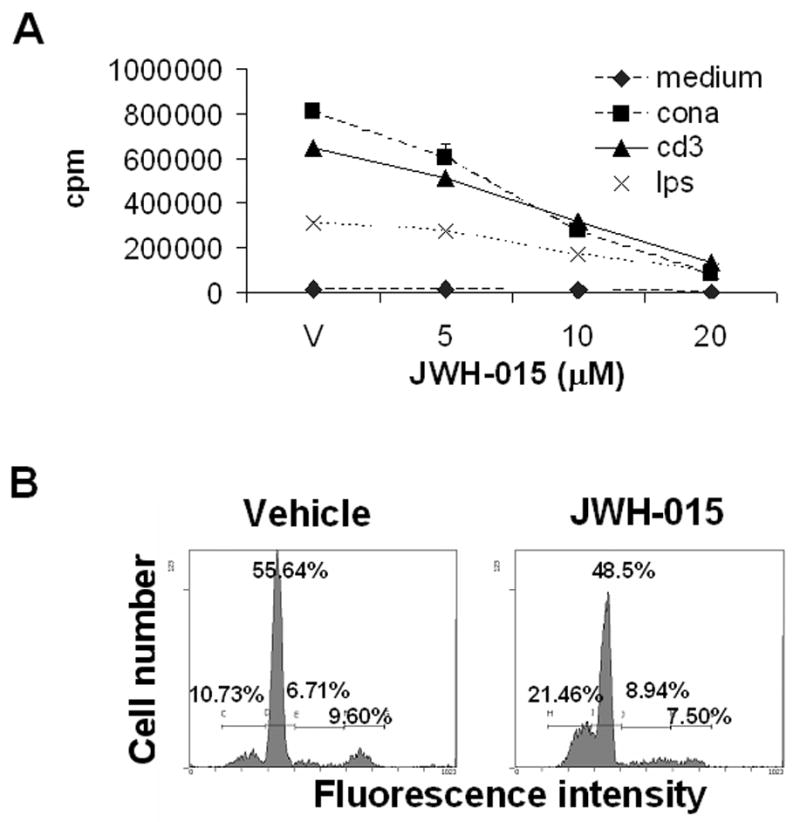
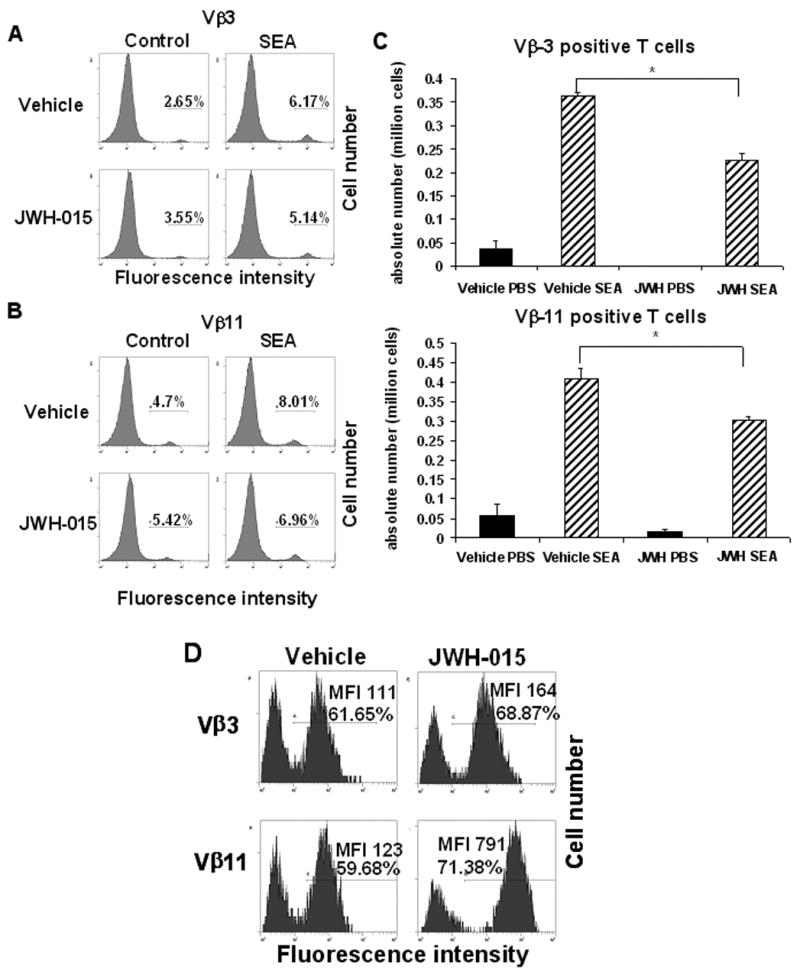
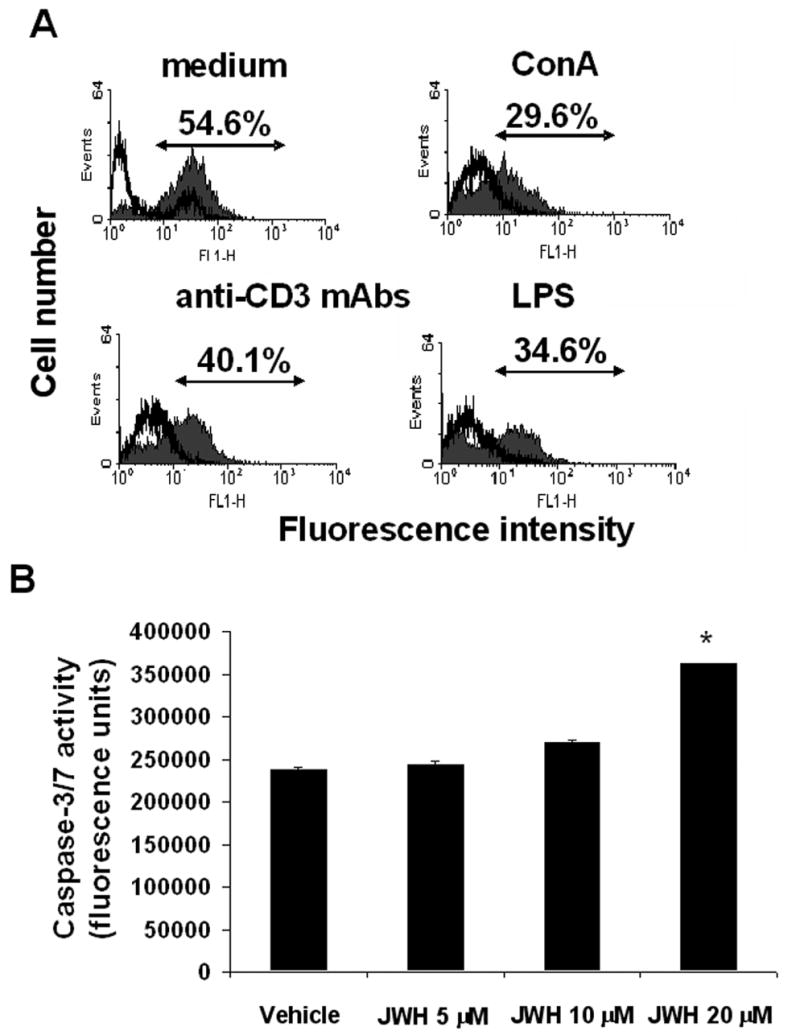
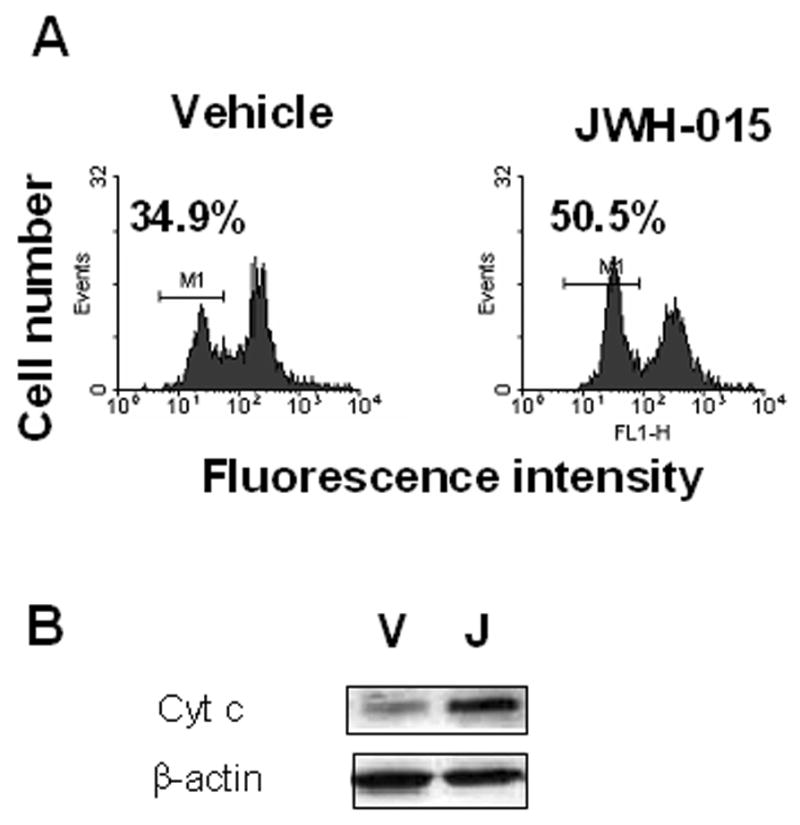
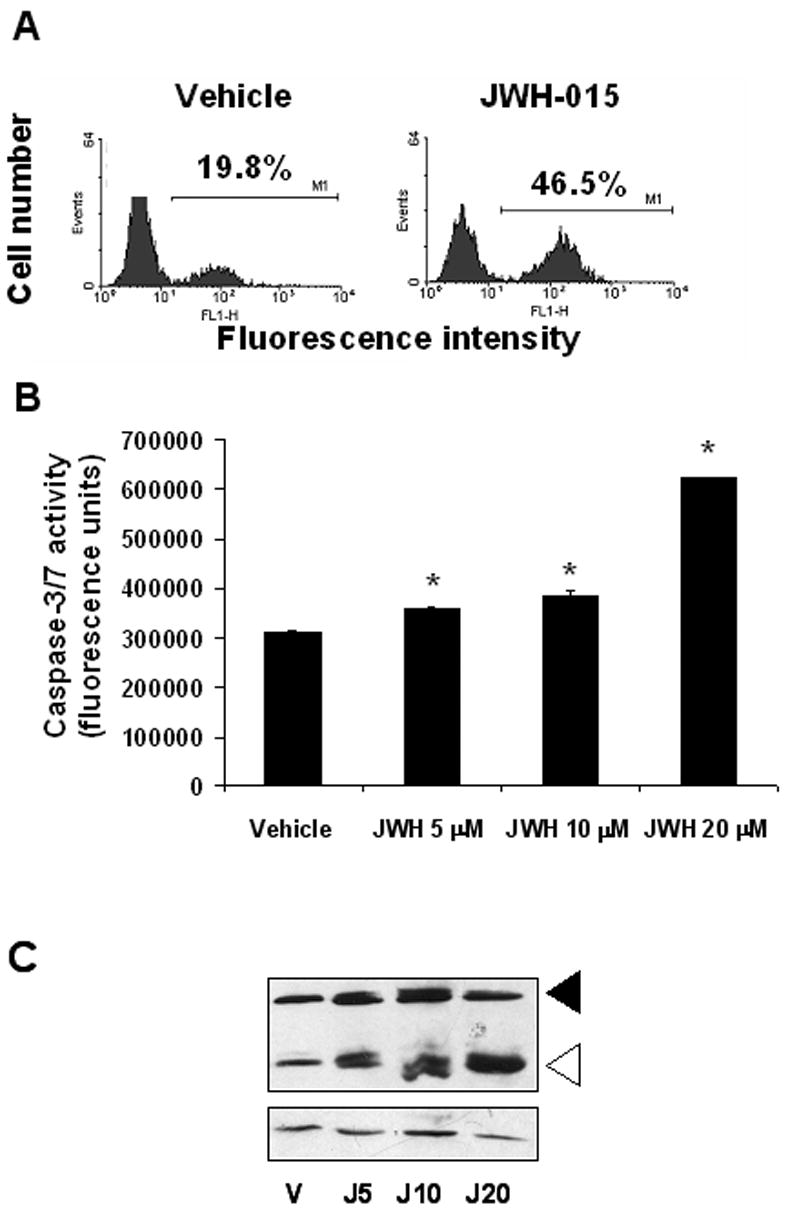
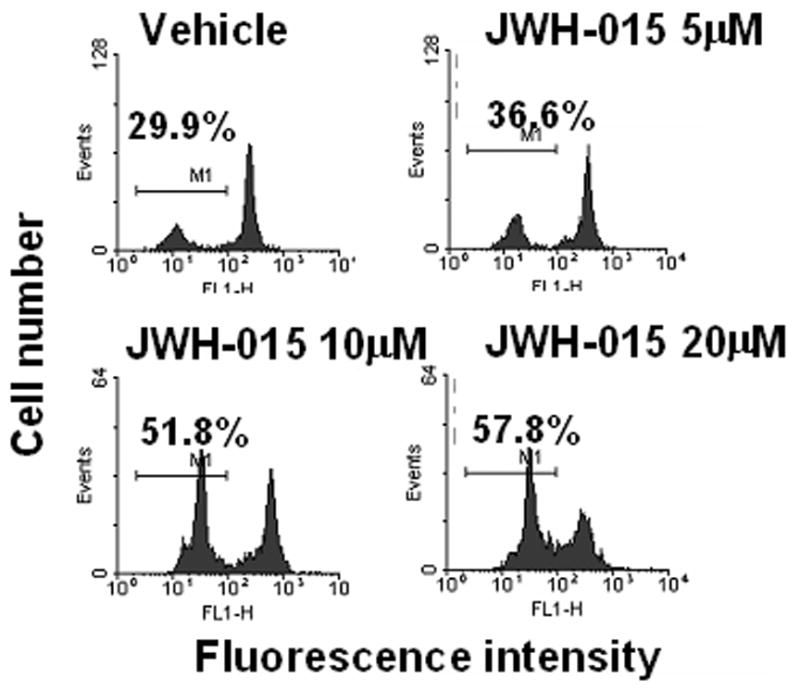
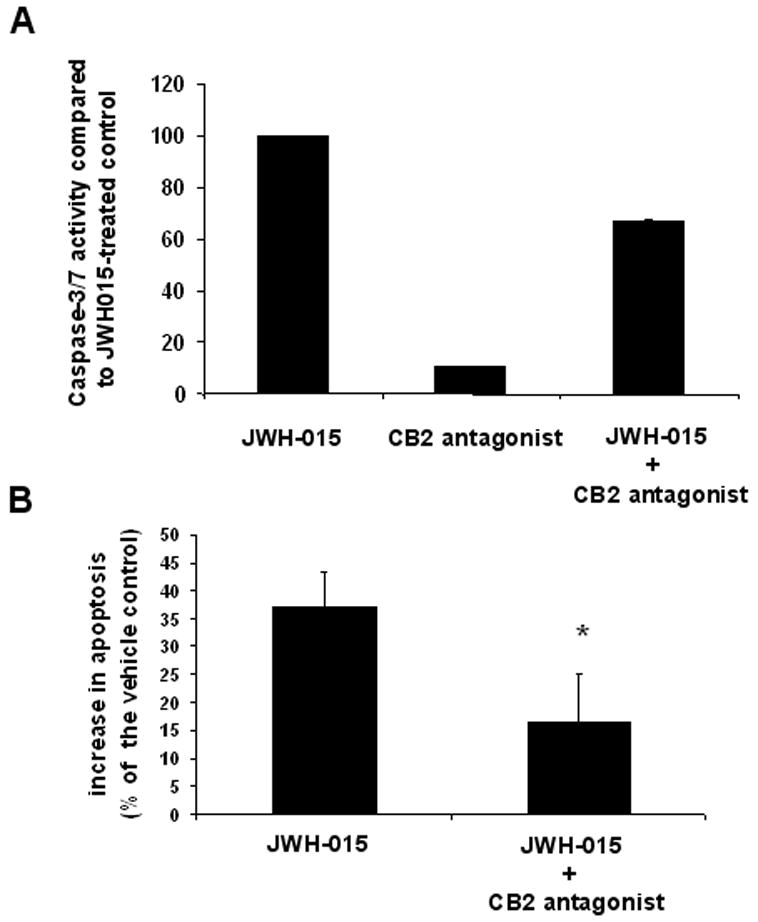
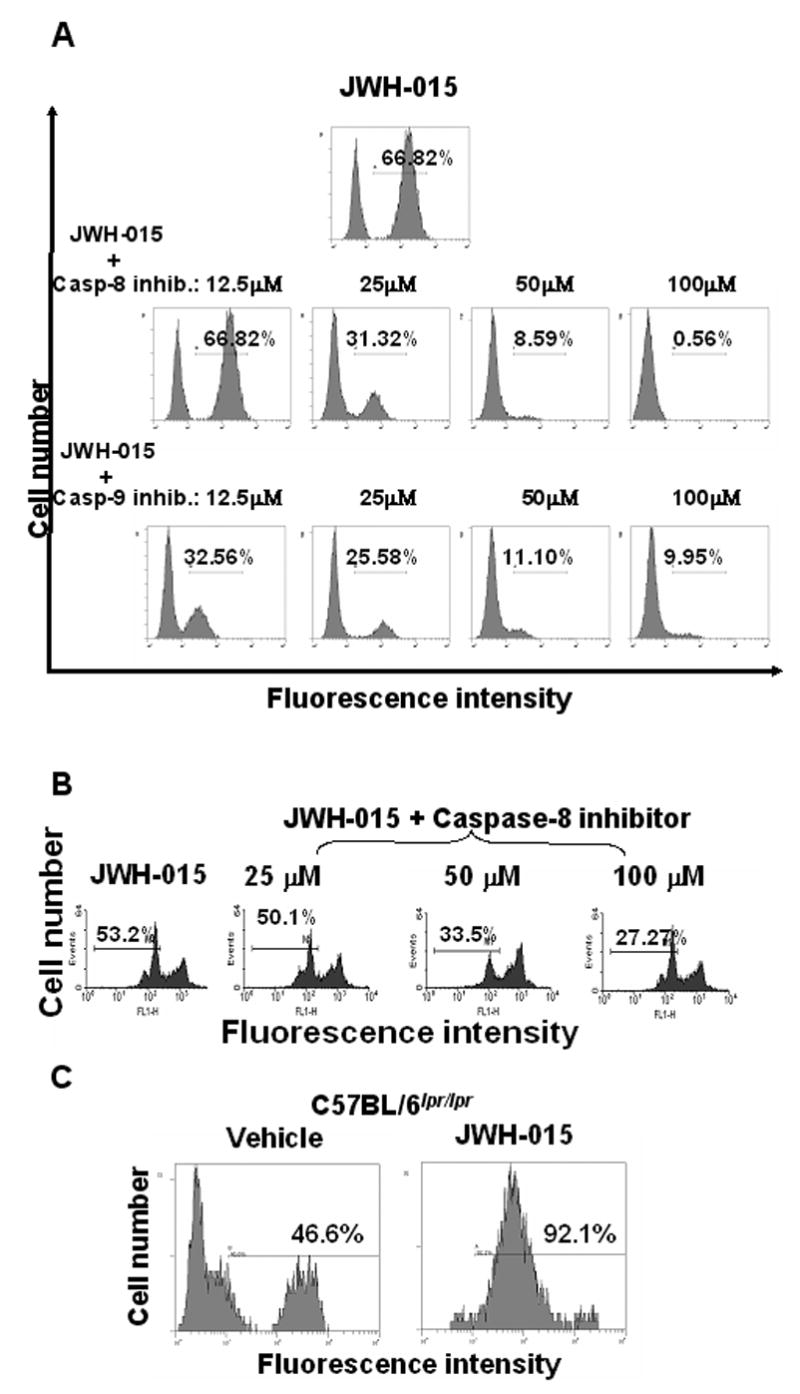
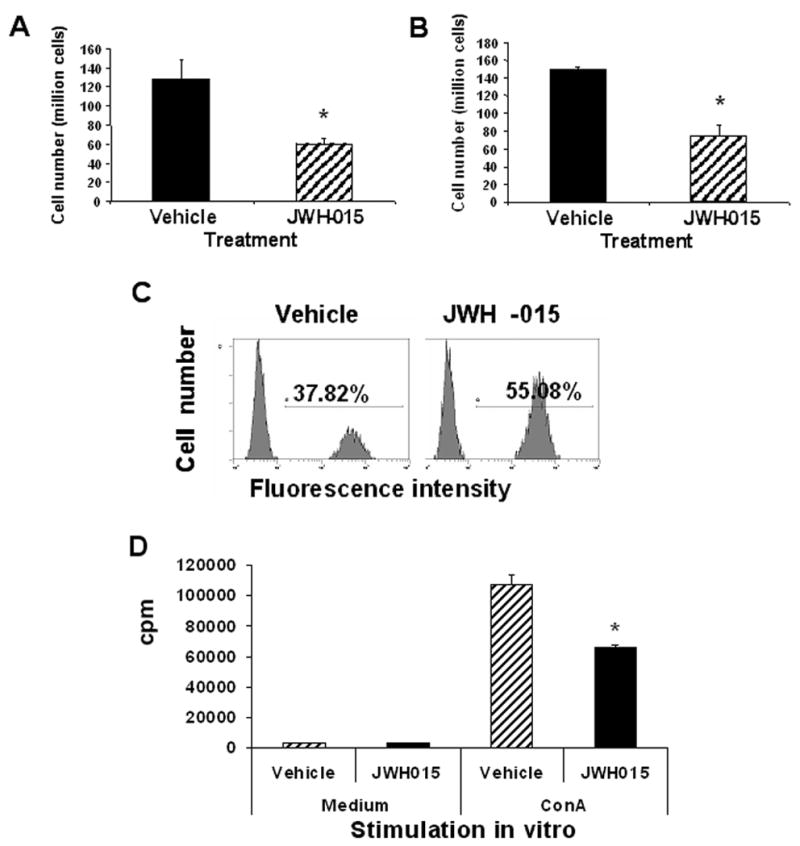
Cannabinoids are known to interact with CB1 and CB2 receptors expressed in the nervous and immune system, respectively, and mediate a wide range of effects, including anti-inflammatory properties. However, cannabinoids that bind CB1 are also psychoactive thereby limiting their clinical use. In this study, we investigated the immunosuppressive properties of JWH-015, a synthetic CB2-selective agonist. We found that JWH-015 triggered apoptosis in thymocytes in vitro and inhibited the proliferative response of T and B cells to mitogens through induction of apoptosis. JWH-015 induced cross-talk between extrinsic and intrinsic pathways of apoptosis involving caspase-8, caspase-9, and caspase-3 as well as loss of mitochondrial membrane potential. Finally, administration of JWH-015 in vivo caused thymic atrophy, apoptosis, and decreased peripheral T cell response to mitogens. Together, this study suggests that CB2-selective agonists, devoid of psychotropic effect, may serve as novel anti-inflammatory/immunosuppressive agents.
已知大麻素分别与在神经系统和免疫系统中表达的CB1和CB2受体相互作用,并介导广泛的效应,包括抗炎特性。然而,与CB1结合的大麻素也具有精神活性,从而限制了它们的临床应用。在本研究中,我们研究了一种合成的CB2选择性激动剂JWH-015的免疫抑制特性。我们发现,JWH-015在体外诱导胸腺细胞凋亡,并通过诱导凋亡抑制T细胞和B细胞对有丝分裂原的增殖反应。JWH-015诱导了涉及半胱天冬酶-8、半胱天冬酶-9和半胱天冬酶-3的凋亡外在和内在途径之间的串扰以及线粒体膜电位的丧失。最后,在体内给予JWH-015导致胸腺萎缩、凋亡,并降低外周T细胞对有丝分裂原的反应。总之,本研究表明,无精神otropic作用的CB2选择性激动剂可能作为新型抗炎/免疫抑制剂。