Keffer J, Probert L, Cazlaris H, Georgopoulos S, Kaslaris E, Kioussis D, Kollias G
Laboratory of Molecular Genetics, Hellenic Pasteur Institute, Athens, Greece.
EMBO J. 1991 Dec;10(13):4025-31. doi: 10.1002/j.1460-2075.1991.tb04978.x.
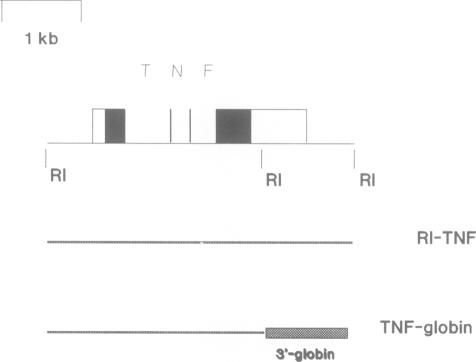
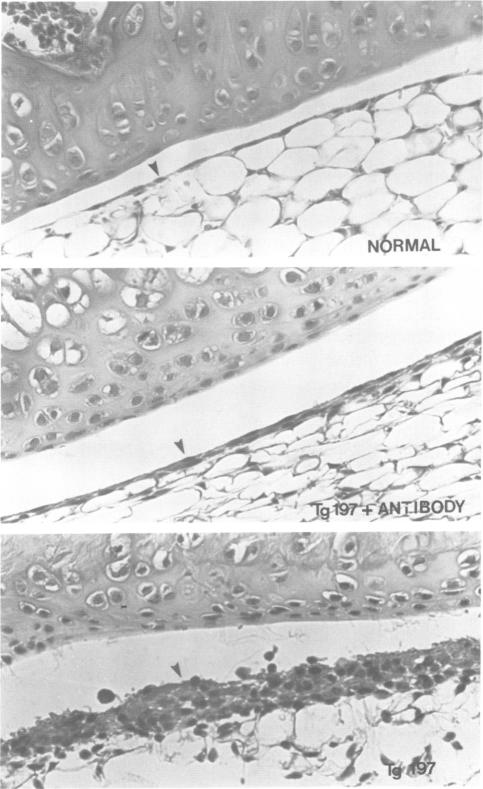
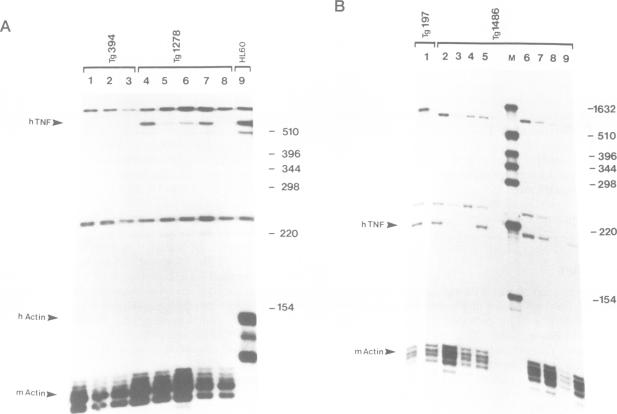
We have generated transgenic mouse lines carrying and expressing wild-type and 3'-modified human tumour necrosis factor (hTNF-alpha, cachectin) transgenes. We show that correct, endotoxin-responsive and macrophage-specific hTNF gene expression can be established in transgenic mice and we present evidence that the 3'-region of the hTNF gene may be involved in macrophage-specific transcription. Transgenic mice carrying 3'-modified hTNF transgenes shows deregulated patterns of expression and interestingly develop chronic inflammatory polyarthritis. Treatment of these arthritic mice with a monoclonal antibody against human TNF completely prevents development of this disease. Our results indicate a direct involvement of TNF in the pathogenesis of arthritis. Transgenic mice which predictably develop arthritis represent a novel genetic model by which the pathogenesis and treatment of this disease in humans may be further investigated.
我们已经培育出携带并表达野生型和3'端修饰的人肿瘤坏死因子(hTNF-α,恶病质素)转基因的小鼠品系。我们发现,在转基因小鼠中可以建立正确的、对内毒素有反应的以及巨噬细胞特异性的hTNF基因表达,并且我们提供证据表明hTNF基因的3'区域可能参与巨噬细胞特异性转录。携带3'端修饰的hTNF转基因的小鼠表现出失调的表达模式,有趣的是,它们会发展为慢性炎症性多关节炎。用抗人TNF单克隆抗体治疗这些关节炎小鼠可完全预防这种疾病的发展。我们的结果表明TNF直接参与关节炎的发病机制。可预测会发展为关节炎的转基因小鼠代表了一种新的遗传模型,通过该模型可以进一步研究人类这种疾病的发病机制和治疗方法。