Suárez-Castillo Edna C, García-Arrarás José E
Department of Biology, University of Puerto Rico, Río Piedras Campus, 00931, Puerto Rico.
BMC Evol Biol. 2007 Feb 15;7:23. doi: 10.1186/1471-2148-7-23.
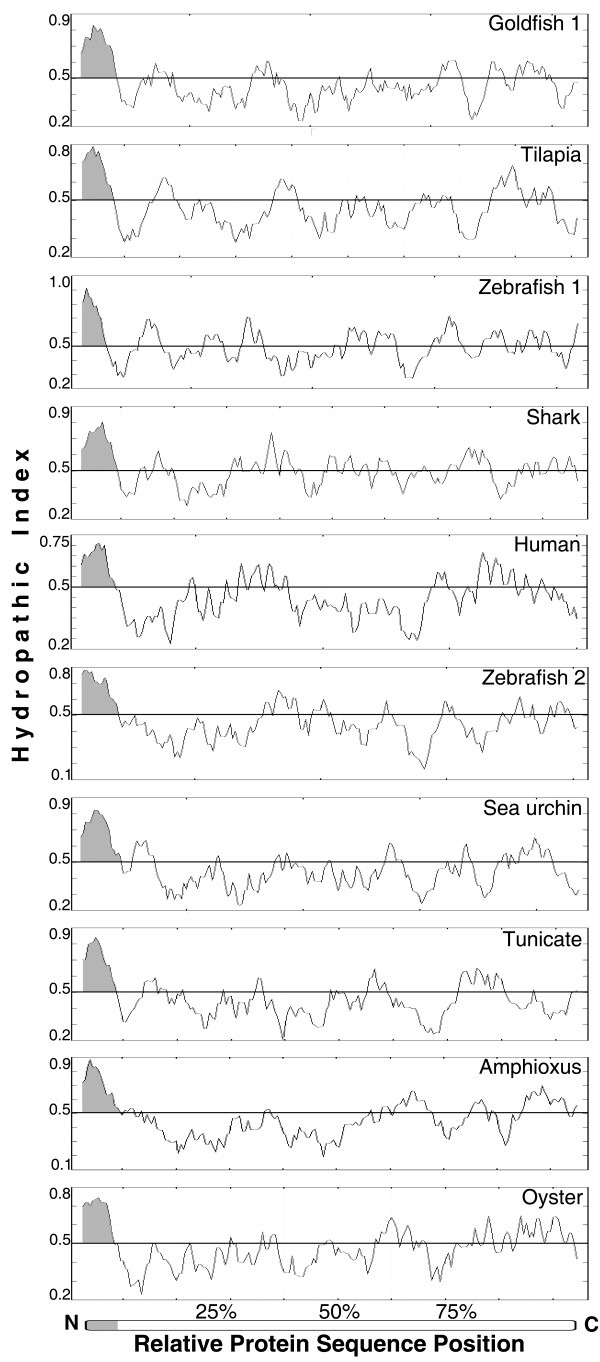
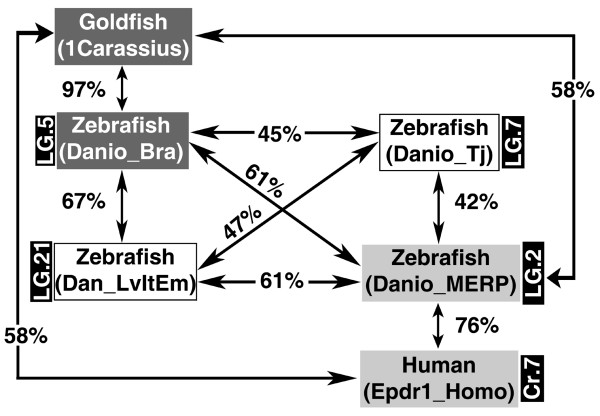
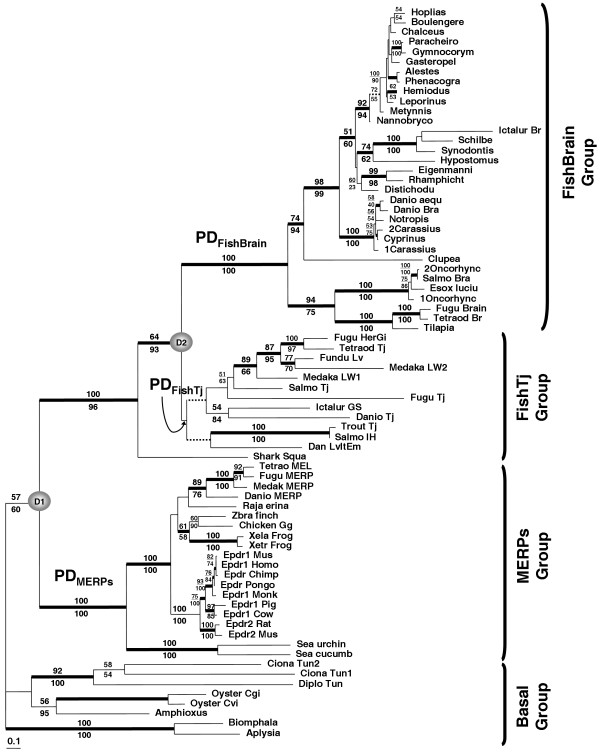
Ependymin (Epd), the predominant protein in the cerebrospinal fluid of teleost fishes, was originally associated with neuroplasticity and regeneration. Ependymin-related proteins (Epdrs) have been identified in other vertebrates, including amphibians and mammals. Recently, we reported the identification and characterization of an Epdr in echinoderms, showing that there are ependymin family members in non-vertebrate deuterostomes. We have now explored multiple databases to find Epdrs in different metazoan species. Using these sequences we have performed genome mapping, molecular phylogenetic analyses using Maximum Likelihood and Bayesian methods, and statistical tests of tree topologies, to ascertain the phylogenetic relationship among ependymin proteins.
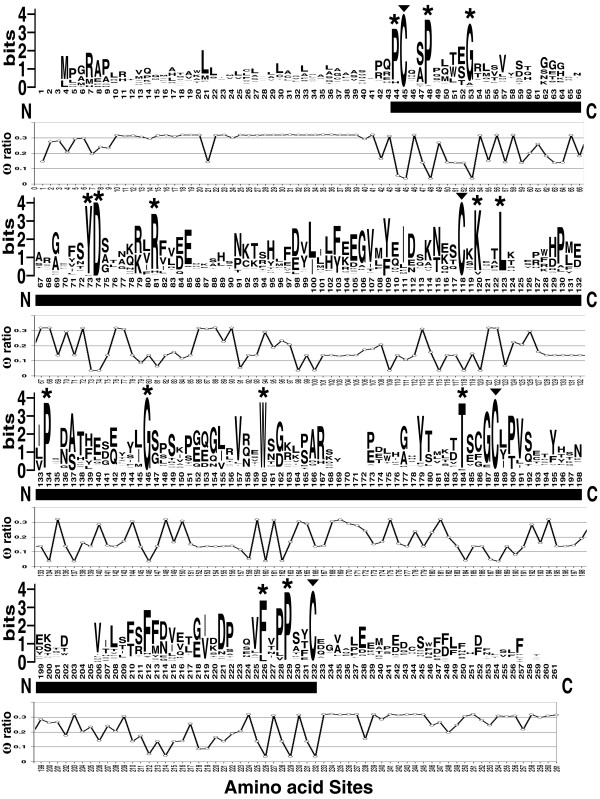
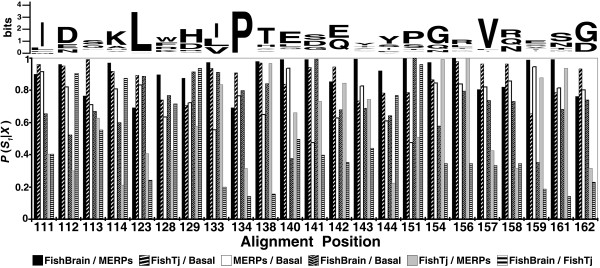
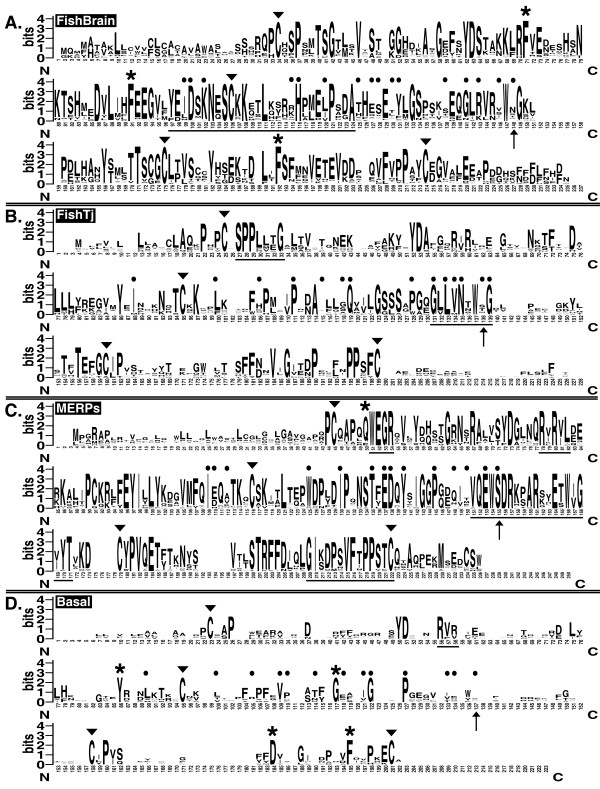
Our results demonstrate that ependymin genes are also present in protostomes. In addition, as a result of the putative fish-specific genome duplication event and posterior divergence, the ependymin family can be divided into four groups according to their amino acid composition and branching pattern in the gene tree: 1) a brain-specific group of ependymin sequences that is unique to teleost fishes and encompasses the originally described ependymin; 2) a group expressed in non-brain tissue in fishes; 3) a group expressed in several tissues that appears to be deuterostome-specific, and 4) a group found in invertebrate deuterostomes and protostomes, with a broad pattern of expression and that probably represents the evolutionary origin of the ependymins. Using codon-substitution models to statistically assess the selective pressures acting over the ependymin protein family, we found evidence of episodic positive Darwinian selection and relaxed selective constraints in each one of the postduplication branches of the gene tree. However, purifying selection (with among-site variability) appears to be the main influence on the evolution of each subgroup within the family. Functional divergence among the ependymin paralog groups is well supported and several amino acid positions are predicted to be critical for this divergence.
Ependymin proteins are present in vertebrates, invertebrate deuterostomes, and protostomes. Overall, our analyses suggest that the ependymin protein family is a suitable target to experimentally test subfunctionalization in gene copies that originated after gene or genome duplication events.
室管膜蛋白(Epd)是硬骨鱼类脑脊液中的主要蛋白质,最初与神经可塑性和再生相关。在包括两栖动物和哺乳动物在内的其他脊椎动物中已鉴定出室管膜蛋白相关蛋白(Epdrs)。最近,我们报道了在棘皮动物中鉴定和表征一种Epdr,表明在非脊椎动物后口动物中存在室管膜蛋白家族成员。我们现在已经探索了多个数据库,以在不同的后生动物物种中寻找Epdrs。利用这些序列,我们进行了基因组定位、使用最大似然法和贝叶斯方法的分子系统发育分析以及树拓扑结构的统计检验,以确定室管膜蛋白之间的系统发育关系。
我们的结果表明,室管膜蛋白基因也存在于原口动物中。此外,由于假定的鱼类特异性基因组复制事件及其后的分化,室管膜蛋白家族可根据其氨基酸组成和在基因树中的分支模式分为四组:1)硬骨鱼类特有的脑特异性室管膜蛋白序列组,包括最初描述的室管膜蛋白;2)鱼类非脑组织中表达的一组;3)在几种组织中表达的一组,似乎是后口动物特异性的;4)在无脊椎动物后口动物和原口动物中发现的一组,具有广泛的表达模式,可能代表室管膜蛋白的进化起源。使用密码子替换模型对作用于室管膜蛋白家族的选择压力进行统计评估,我们发现在基因树的每个复制后分支中都存在间歇性正达尔文选择和放松的选择约束的证据。然而,纯化选择(位点间存在变异性)似乎是对该家族内每个亚组进化的主要影响。室管膜蛋白旁系同源组之间的功能分化得到了充分支持,并且预测了几个氨基酸位置对这种分化至关重要。
室管膜蛋白存在于脊椎动物、无脊椎动物后口动物和原口动物中。总体而言,我们的分析表明,室管膜蛋白家族是在基因或基因组复制事件后起源的基因拷贝中进行亚功能化实验测试的合适靶点。