Departamento de Microbiología-III, Facultad de Biología, Universidad Complutense (UCM), Spain.
PLoS One. 2007 Mar 14;2(3):e291. doi: 10.1371/journal.pone.0000291.
Metallothioneins are ubiquitous small, cysteine-rich, multifunctional proteins which can bind heavy metals.
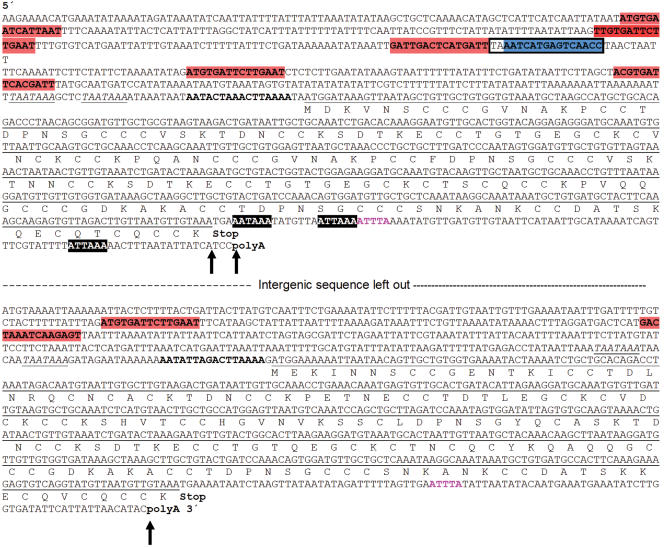
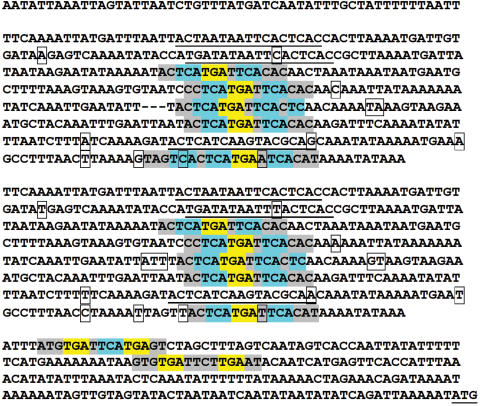
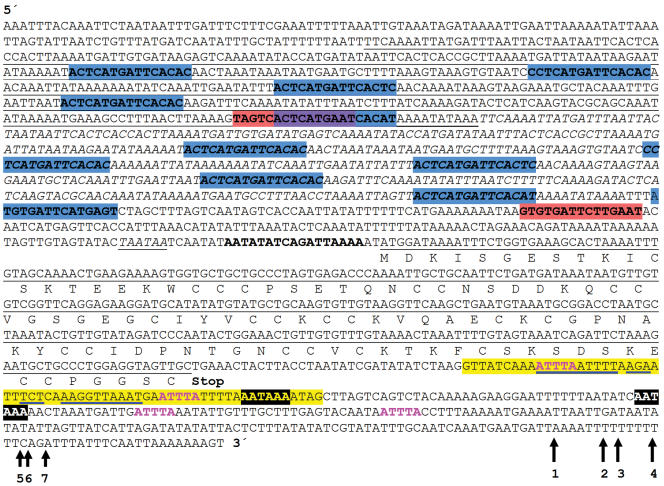
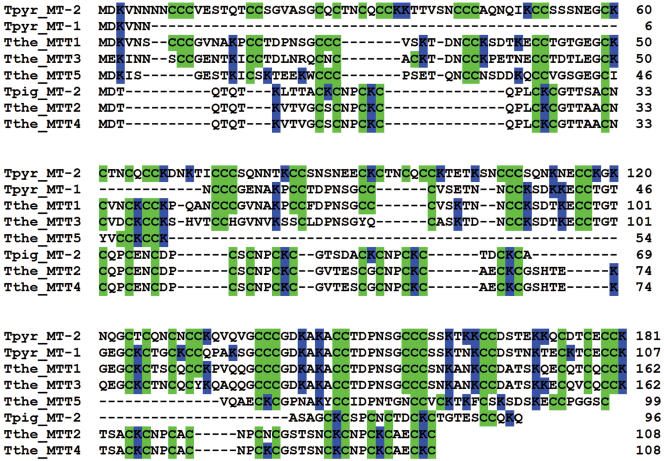
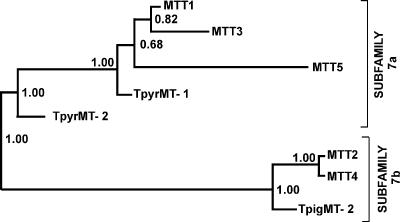
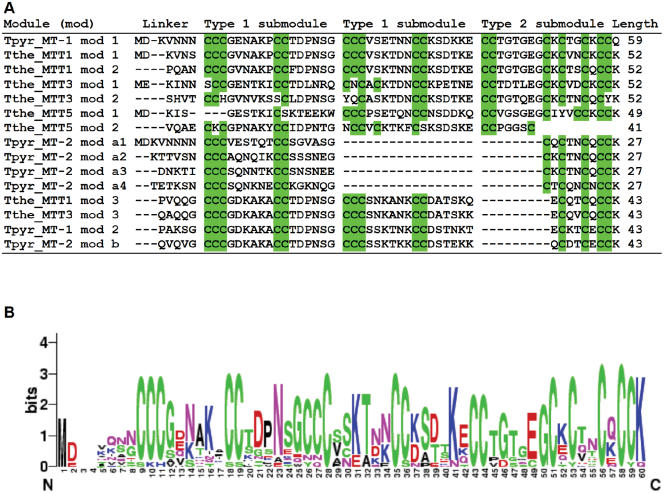
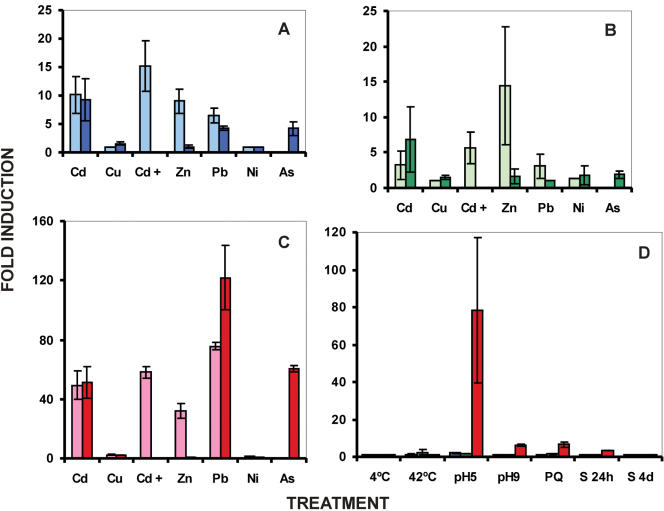
METHODOLOGY/PRINCIPAL FINDINGS: We report the results of phylogenetic and gene expression analyses that include two new Tetrahymena thermophila metallothionein genes (MTT3 and MTT5). Sequence alignments of all known Tetrahymena metallothioneins have allowed us to rationalize the structure of these proteins. We now formally subdivide the known metallothioneins from the ciliate genus Tetrahymena into two well defined subfamilies, 7a and 7b, based on phylogenetic analysis, on the pattern of clustering of Cys residues, and on the pattern of inducibility by the heavy metals Cd and Cu. Sequence alignment also reveals a remarkably regular, conserved and hierarchical modular structure of all five subfamily 7a MTs, which include MTT3 and MTT5. The former has three modules, while the latter has only two. Induction levels of the three T. thermophila genes were determined using quantitative real time RT-PCR. Various stressors (including heavy metals) brought about dramatically different fold-inductions for each gene; MTT5 showed the highest fold-induction. Conserved DNA motifs with potential regulatory significance were identified, in an unbiased way, upstream of the start codons of subfamily 7a MTs. EST evidence for alternative splicing in the 3' UTR of the MTT5 mRNA with potential regulatory activity is reported.
CONCLUSION/SIGNIFICANCE: The small number and remarkably regular structure of Tetrahymena MTs, coupled with the experimental tractability of this model organism for studies of in vivo function, make it an attractive system for the experimental dissection of the roles, structure/function relationships, regulation of gene expression, and adaptive evolution of these proteins, as well as for the development of biotechnological applications for the environmental monitoring of toxic substances.
金属硫蛋白是普遍存在的富含半胱氨酸的多功能小蛋白,可以与重金属结合。
方法/主要发现:我们报告了系统发育和基因表达分析的结果,其中包括两个新的嗜热四膜虫金属硫蛋白基因(MTT3 和 MTT5)。对所有已知的嗜热四膜虫金属硫蛋白进行序列比对,使我们能够合理推断这些蛋白质的结构。现在,我们根据系统发育分析、半胱氨酸残基聚类模式以及重金属 Cd 和 Cu 的诱导模式,将纤毛纲生物四膜虫的已知金属硫蛋白正式划分为两个明确的亚家族,7a 和 7b。序列比对还揭示了所有五个亚家族 7a MT 的惊人规则、保守和分层模块化结构,包括 MTT3 和 MTT5。前者有三个模块,而后者只有两个。使用定量实时 RT-PCR 确定了三种嗜热四膜虫基因的诱导水平。各种应激源(包括重金属)导致每个基因的诱导倍数明显不同;MTT5 的诱导倍数最高。在亚家族 7a MT 的起始密码子上游,以无偏的方式鉴定了具有潜在调节意义的保守 DNA 基序。报告了 MTT5 mRNA 3'UTR 中具有潜在调节活性的可变剪接的 EST 证据。
结论/意义:四膜虫 MT 数量少,结构规则,而且这个模式生物在体内功能研究方面具有实验可操作性,因此它是一个很有吸引力的系统,可以用于实验剖析这些蛋白质的作用、结构/功能关系、基因表达调控以及适应性进化,还可以用于开发生物技术应用,以监测环境中的有毒物质。