Chevallet Mireille, Diemer Hélène, Van Dorssealer Alain, Villiers Christian, Rabilloud Thierry
CEA-DSV/DRDC/ICH, Laboratoire d'Immunochimie, CEA-Grenoble, Grenoble, France.
Proteomics. 2007 Jun;7(11):1757-70. doi: 10.1002/pmic.200601024.
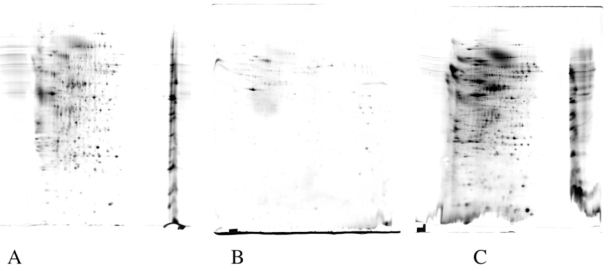
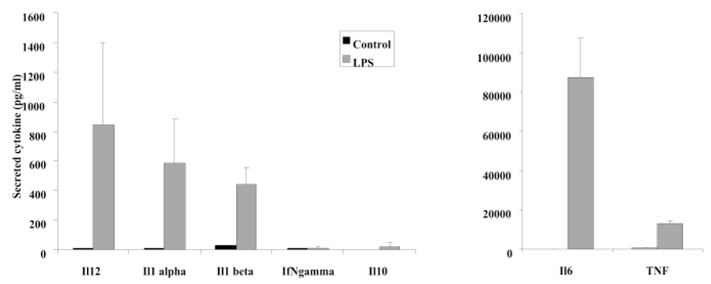
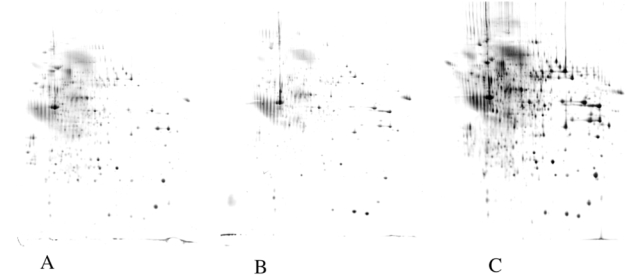
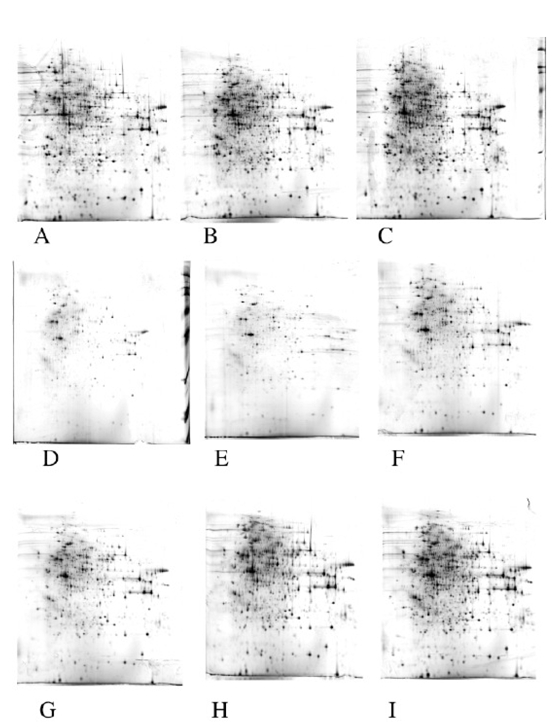
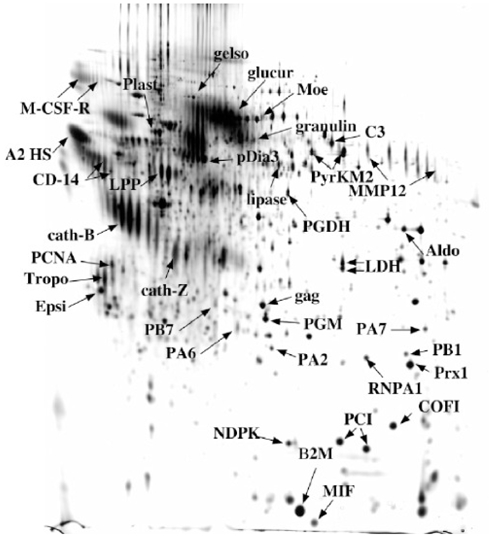
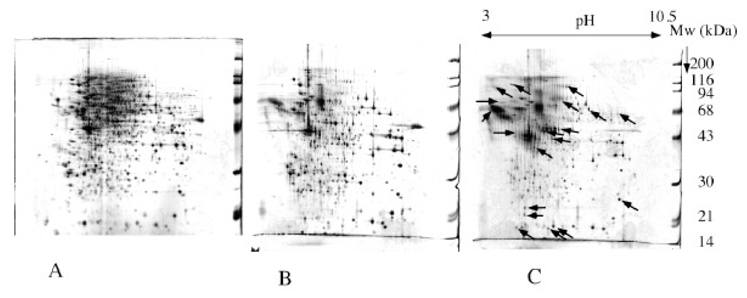
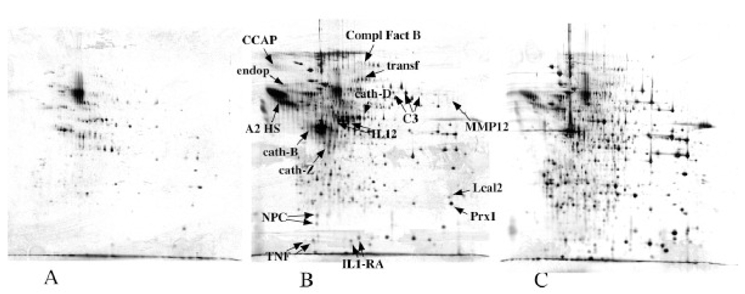
The analysis of secreted proteins represents a challenge for current proteomics techniques. Proteins are usually secreted at low concentrations in the culture media, which makes their recovery difficult. In addition, culture media are rich in salts and other compounds interfering with most proteomics techniques, which makes selective precipitation of proteins almost mandatory for a correct subsequent proteomics analysis. Last but not least, the non-secreted proteins liberated in the culture medium upon lysis of a few dead cells heavily contaminate the so-called secreted proteins preparations. Several techniques have been used in the past for concentration of proteins secreted in culture media. These techniques present several drawbacks, such as coprecipitation of salts or poor yields at low protein concentrations. Improved techniques based on carrier-assisted TCA precipitation are described and discussed in this report. These techniques have been used to analyze the secretome of myeloid cells (macrophages, dendritic cells) and enabled to analyze proteins secreted at concentrations close to 1 ng/mL, thereby allowing the detection of some of the cytokines (TNF, IL-12) secreted by the myeloid cells upon activation by bacterial products.
分泌蛋白的分析是当前蛋白质组学技术面临的一项挑战。蛋白质通常在培养基中以低浓度分泌,这使得它们的回收变得困难。此外,培养基富含盐类和其他干扰大多数蛋白质组学技术的化合物,这使得蛋白质的选择性沉淀几乎成为后续正确蛋白质组学分析的必要步骤。最后但同样重要的是,少数死细胞裂解后释放到培养基中的非分泌蛋白会严重污染所谓的分泌蛋白制剂。过去曾使用多种技术来浓缩培养基中分泌的蛋白质。这些技术存在几个缺点,例如盐类的共沉淀或低蛋白浓度下的低回收率。本报告描述并讨论了基于载体辅助三氯乙酸沉淀的改进技术。这些技术已用于分析髓样细胞(巨噬细胞、树突状细胞)的分泌组,并能够分析浓度接近1 ng/mL时分泌的蛋白质,从而能够检测髓样细胞在细菌产物激活后分泌的一些细胞因子(TNF、IL-12)。