Pistol Gina, Matache Cristiana, Calugaru Ana, Stavaru Crina, Tanaseanu Stefanita, Ionescu Ruxandra, Dumitrache Sergiu, Stefanescu Maria
Centre for Advanced Studies, Cellular Receptors Laboratory, Cantacuzino National Institute of Research and Development for Microbiology and Immunology, Splaiul Independentei 103, Bucharest 050096, Romania.
J Cell Mol Med. 2007 Mar-Apr;11(2):339-48. doi: 10.1111/j.1582-4934.2007.00022.x.
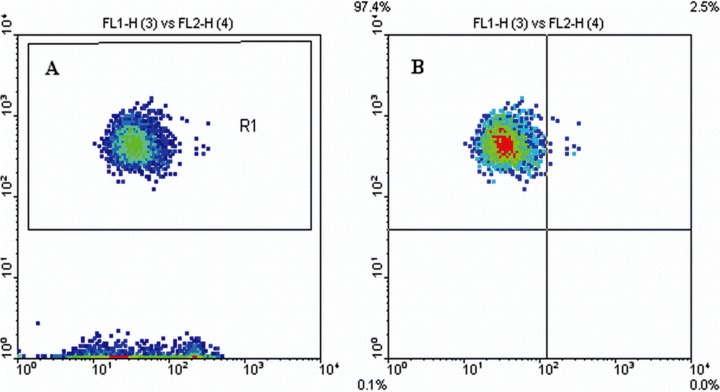
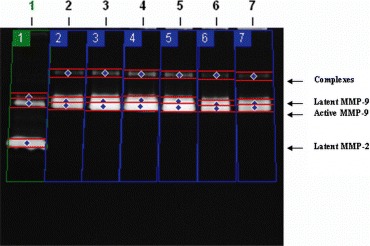
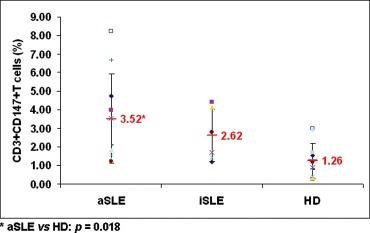
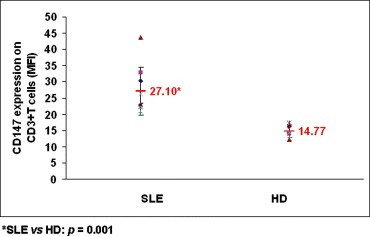
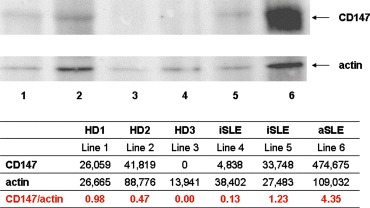
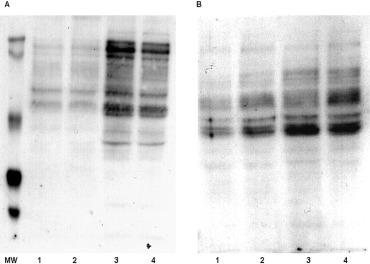
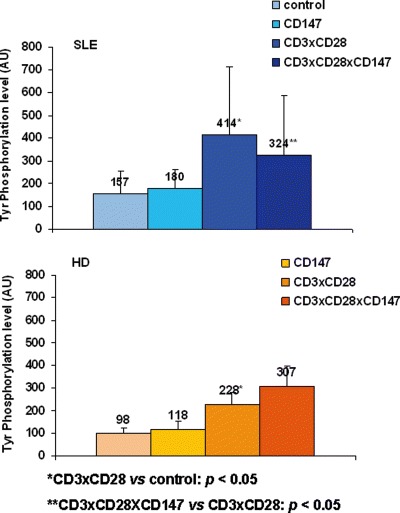
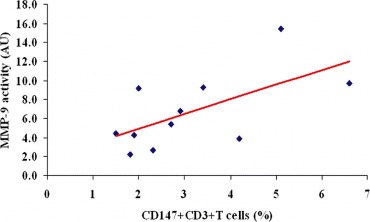
The cellular and molecular mechanisms involved in many abnormalities described in Systemic Lupus Erythematosus (SLE) are still unclear. Some of these abnormalities referred to the hyperactivation of T lymphocytes and the enhanced secretion of MMP-9 by peripheral blood mononuclear cells (PBMCs). Therefore, in this paper we investigated the potential role of CD147 molecule in these abnormalities. Our results demonstrated that CD147 molecule is overexpressed on CD3+T lymphocytes from SLE patients when compared with CD3+T lymphocytes from healthy donors. Monoclonal anti-CD147 antibodies, MEM-M6/1 clone, were able to inhibit protein tyrosine phosphorylation only in CD3 x CD28 costimulated T lymphocytes from SLE patients. However, this monoclonal antibody was unable to inhibit the enhanced activity of MMP-9 secreted by SLE PBMCs.
系统性红斑狼疮(SLE)中描述的许多异常所涉及的细胞和分子机制仍不清楚。其中一些异常涉及T淋巴细胞的过度活化以及外周血单核细胞(PBMC)分泌MMP-9增加。因此,在本文中我们研究了CD147分子在这些异常中的潜在作用。我们的结果表明,与健康供体的CD3 + T淋巴细胞相比,SLE患者的CD3 + T淋巴细胞上CD147分子过度表达。单克隆抗CD147抗体MEM-M6/1克隆仅能抑制SLE患者CD3×CD28共刺激的T淋巴细胞中的蛋白酪氨酸磷酸化。然而,这种单克隆抗体不能抑制SLE PBMC分泌的MMP-9增强的活性。