Yue Patrick Ying Kit, Mak Nai Ki, Cheng Yuen Kit, Leung Kar Wah, Ng Tzi Bun, Fan David Tai Ping, Yeung Hin Wing, Wong Ricky Ngok Shun
Department of Biology, Faculty of Science, Hong Kong Baptist University, Kowloon Tong, Hong Kong SAR, China.
Chin Med. 2007 May 15;2:6. doi: 10.1186/1749-8546-2-6.
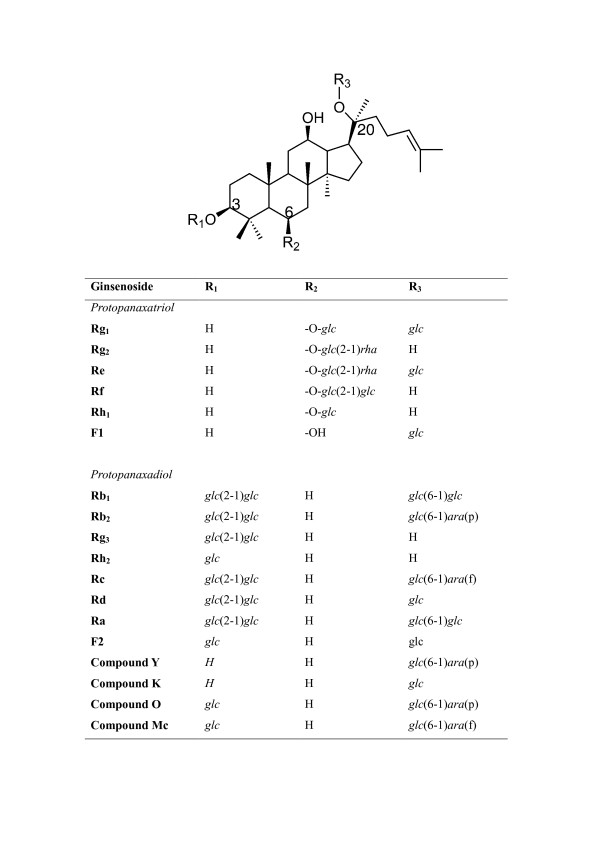
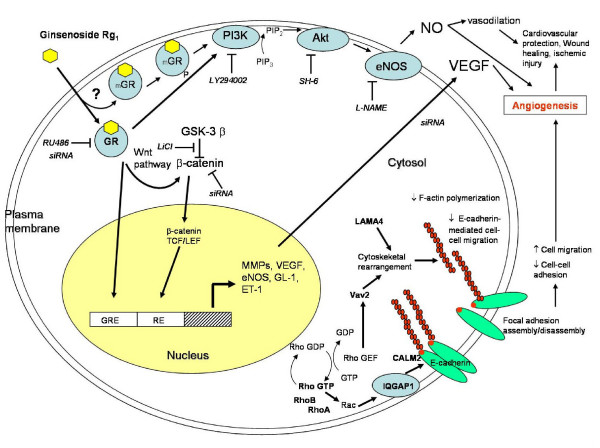
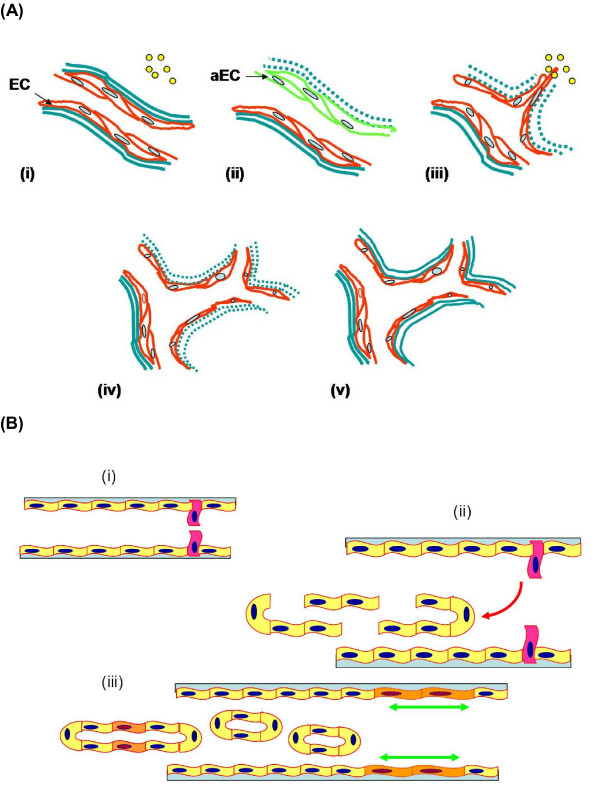
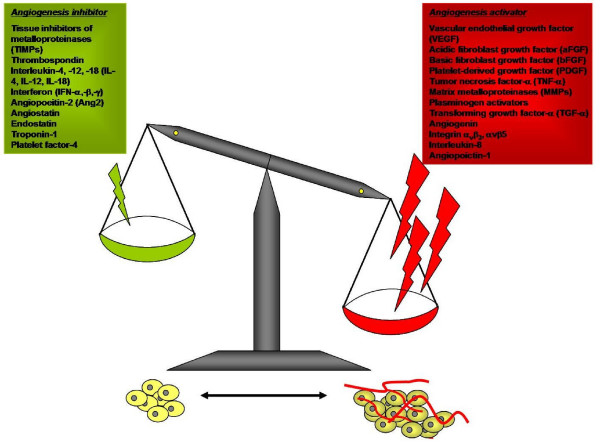
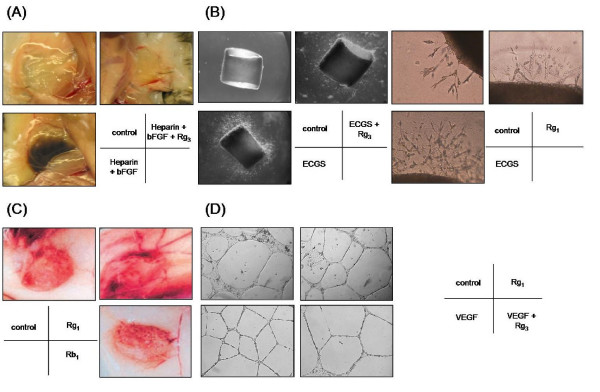
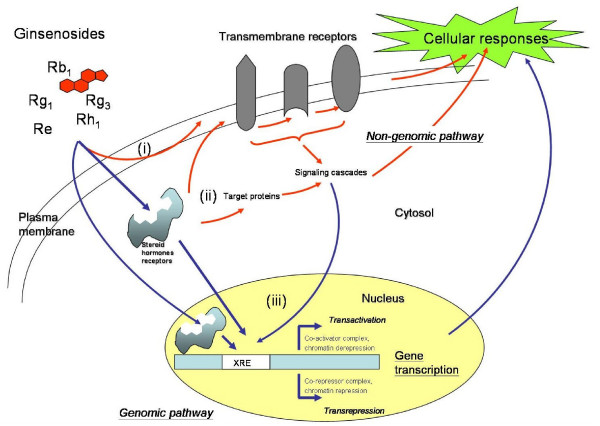
In Chinese medicine, ginseng (Panax ginseng C.A. Meyer) has long been used as a general tonic or an adaptogen to promote longevity and enhance bodily functions. It has also been claimed to be effective in combating stress, fatigue, oxidants, cancer and diabetes mellitus. Most of the pharmacological actions of ginseng are attributed to one type of its constituents, namely the ginsenosides. In this review, we focus on the recent advances in the study of ginsenosides on angiogenesis which is related to many pathological conditions including tumor progression and cardiovascular dysfunctions. Angiogenesis in the human body is regulated by two sets of counteracting factors, angiogenic stimulators and inhibitors. The 'Yin and Yang' action of ginseng on angiomodulation was paralleled by the experimental data showing angiogenesis was indeed related to the compositional ratio between ginsenosides Rg1 and Rb1. Rg1 was later found to stimulate angiogenesis through augmenting the production of nitric oxide (NO) and vascular endothelial growth factor (VEGF). Mechanistic studies revealed that such responses were mediated through the PI3K-->Akt pathway. By means of DNA microarray, a group of genes related to cell adhesion, migration and cytoskeleton were found to be up-regulated in endothelial cells. These gene products may interact in a hierarchical cascade pattern to modulate cell architectural dynamics which is concomitant to the observed phenomena in angiogenesis. By contrast, the anti-tumor and anti-angiogenic effects of ginsenosides (e.g. Rg3 and Rh2) have been demonstrated in various models of tumor and endothelial cells, indicating that ginsenosides with opposing activities are present in ginseng. Ginsenosides and Panax ginseng extracts have been shown to exert protective effects on vascular dysfunctions, such as hypertension, atherosclerotic disorders and ischemic injury. Recent work has demonstrates the target molecules of ginsenosides to be a group of nuclear steroid hormone receptors. These lines of evidence support that the interaction between ginsenosides and various nuclear steroid hormone receptors may explain the diverse pharmacological activities of ginseng. These findings may also lead to development of more efficacious ginseng-derived therapeutics for angiogenesis-related diseases.
在中医领域,人参(Panax ginseng C.A. Meyer)长期以来一直被用作滋补品或适应原,以促进长寿和增强身体机能。据称它在对抗压力、疲劳、氧化剂、癌症和糖尿病方面也有效果。人参的大多数药理作用归因于其一类成分,即人参皂苷。在本综述中,我们聚焦于人参皂苷在血管生成研究方面的最新进展,血管生成与包括肿瘤进展和心血管功能障碍在内的许多病理状况相关。人体中的血管生成由两组相互拮抗的因子调节,即血管生成刺激因子和抑制因子。人参在血管调节方面的“阴阳”作用与实验数据相符,该数据表明血管生成确实与人参皂苷Rg1和Rb1之间的组成比例有关。后来发现Rg1通过增加一氧化氮(NO)和血管内皮生长因子(VEGF)的产生来刺激血管生成。机制研究表明,这种反应是通过PI3K→Akt途径介导的。通过DNA微阵列分析,发现一组与细胞黏附、迁移和细胞骨架相关的基因在内皮细胞中上调。这些基因产物可能以分级级联模式相互作用,以调节细胞结构动力学,这与血管生成中观察到的现象相伴。相比之下,人参皂苷(如Rg3和Rh2)的抗肿瘤和抗血管生成作用已在各种肿瘤和内皮细胞模型中得到证实,这表明人参中存在具有相反活性的人参皂苷。人参皂苷和人参提取物已被证明对血管功能障碍具有保护作用,如高血压、动脉粥样硬化疾病和缺血性损伤。最近的研究表明人参皂苷的靶分子是一组核甾体激素受体。这些证据支持人参皂苷与各种核甾体激素受体之间的相互作用可能解释人参的多种药理活性。这些发现也可能导致开发出更有效的用于治疗血管生成相关疾病的人参衍生疗法。