Goldberg Mytien T, Han Yuan-Ping, Yan Chunli, Shaw Michael C, Garner Warren L
Division of Plastic Surgery, Keck School of Medicine, University of Southern California, Los Angeles, California, USA.
J Invest Dermatol. 2007 Nov;127(11):2645-55. doi: 10.1038/sj.jid.5700890. Epub 2007 May 31.
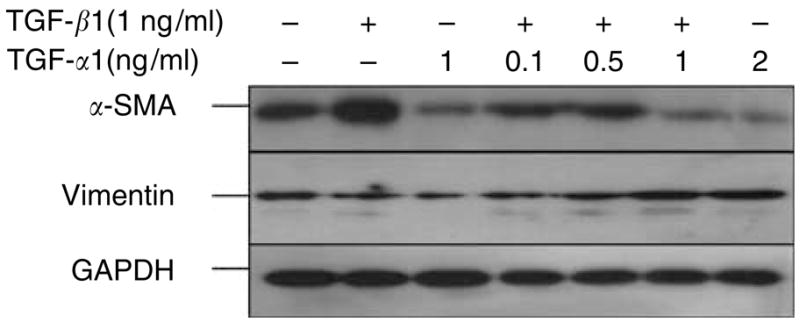
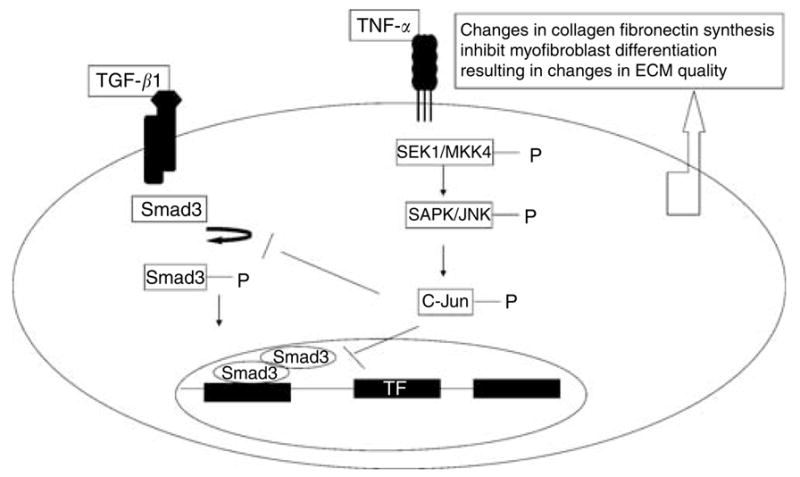
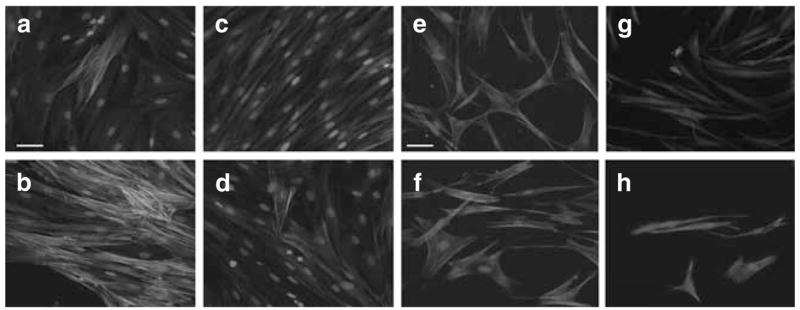
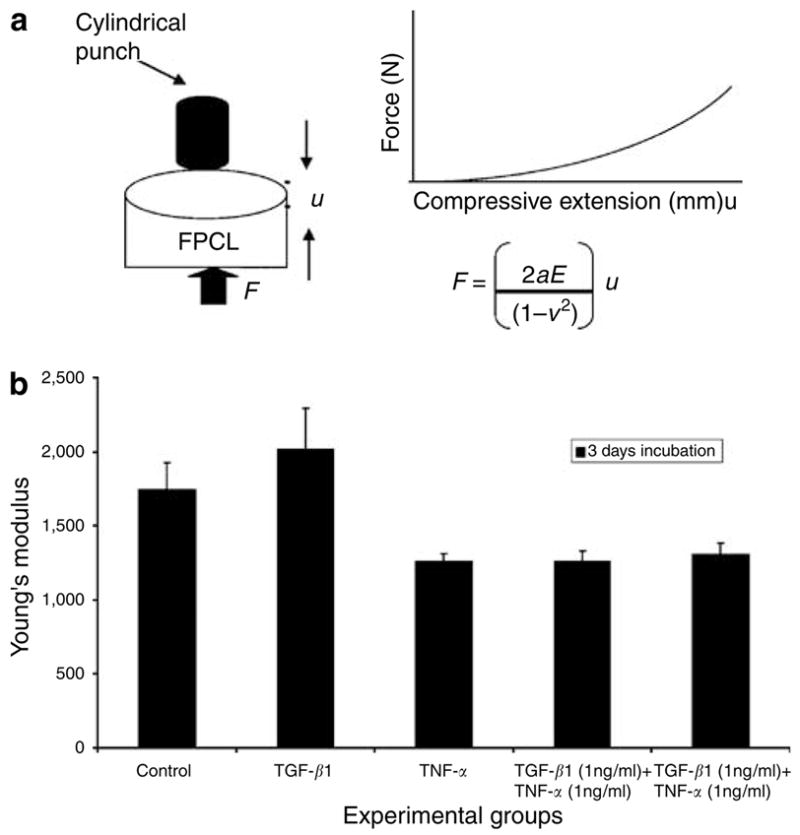
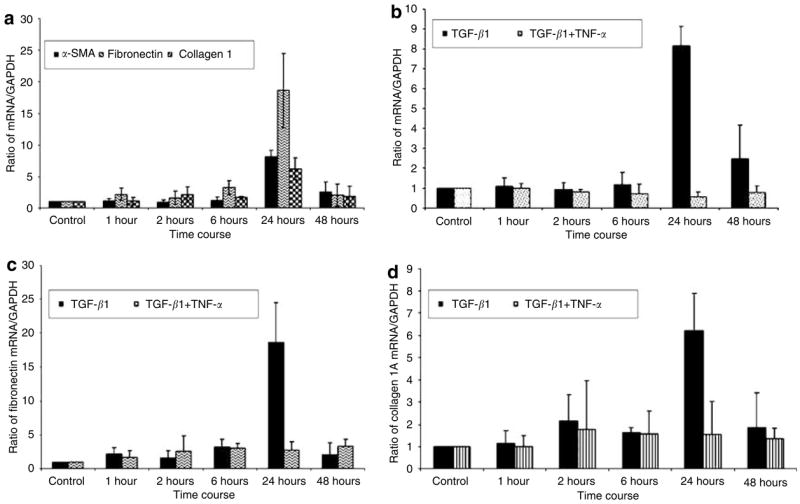
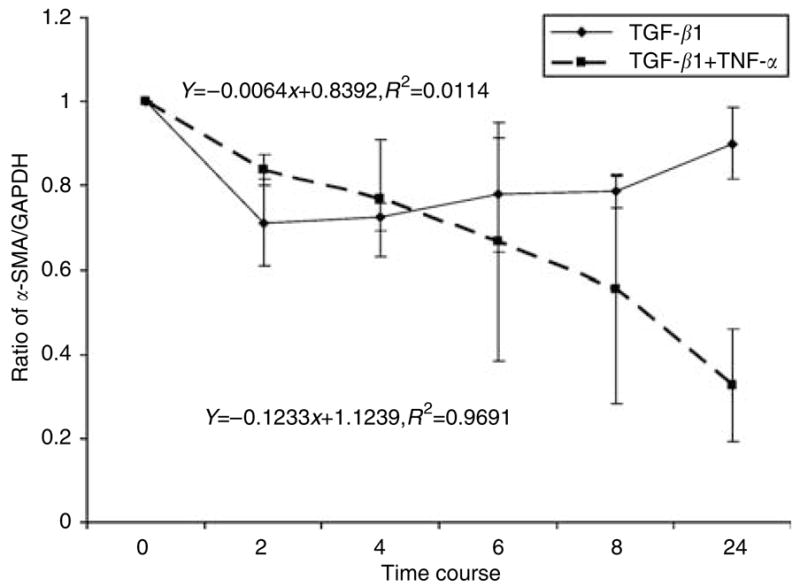
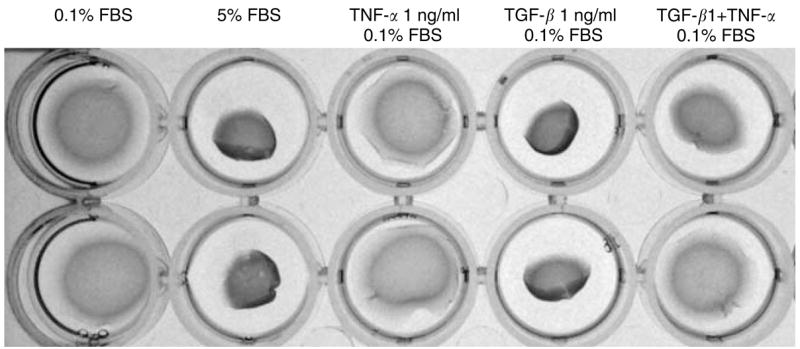
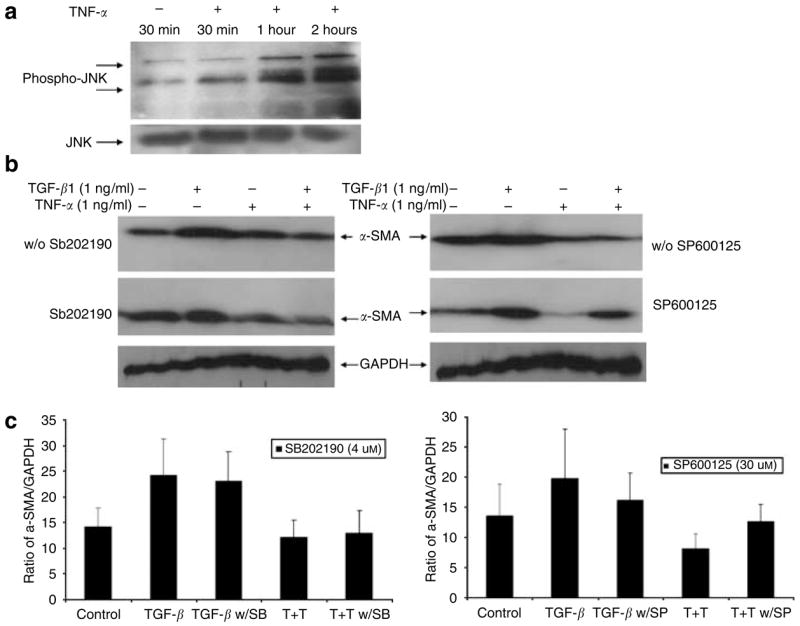
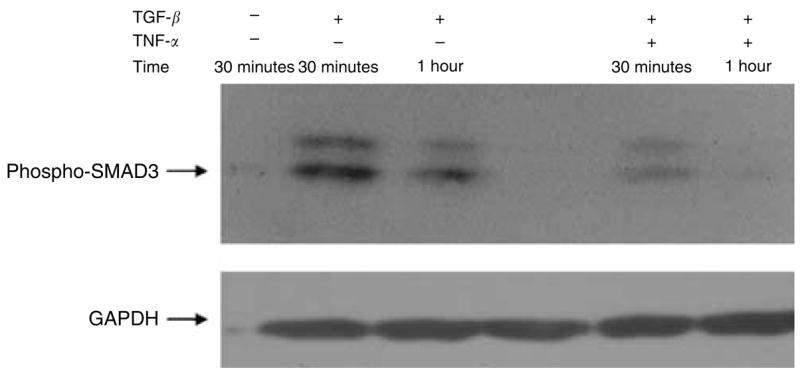
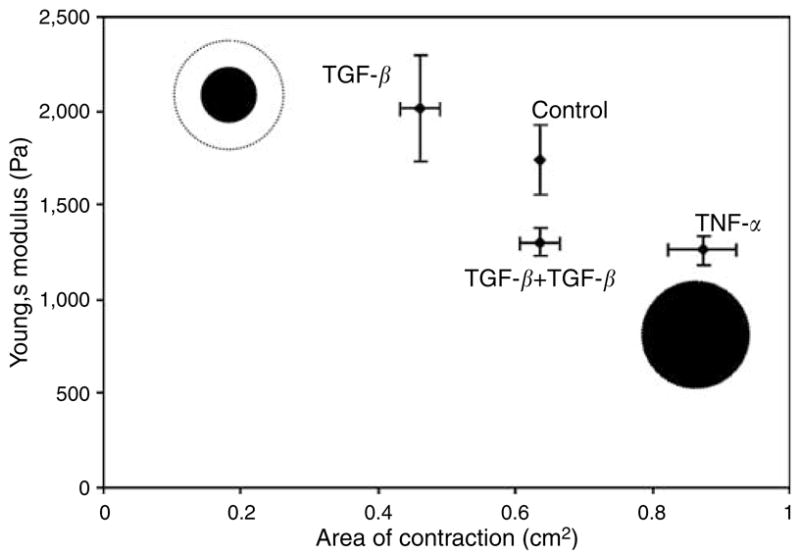
Abnormal wound healing encompasses a wide spectrum, from chronic wounds to hypertrophic scars. Both conditions are associated with an abnormal cytokine profile in the wound bed. In this study, we sought to understand the dynamic relationships between myofibroblast differentiation and mechanical performance of the collagen matrix under tissue growth factor-beta (TGF-beta) and tumor necrosis factor-alpha (TNF-alpha) stimulation. We found TGF-beta increased alpha-smooth muscle actin (alpha-SMA) and TNF-alpha alone decreased the basal alpha-SMA expression. When TGF-beta1 and TNF-alpha were both added, the alpha-SMA expression was suppressed below the baseline. Real-time PCR showed that TNF-alpha suppresses TGF-beta1-induced myofibroblast (fibroproliferative) phenotypic genes, for example, alpha-SMA, collagen type 1A, and fibronectin at the mRNA level. TNF-alpha suppresses TGF-beta1-induced gene expression by affecting its mRNA stability. Our results further showed that TNF-alpha inhibits TGF-beta1-induced Smad-3 phosphorylation via Jun N-terminal kinase signaling. Mechanical testing showed that TNF-alpha decreases the stiffness and contraction of the lattices after 5 days in culture. We proposed that changes in alpha-SMA, collagen, and fibronectin expression result in decreased contraction and stiffness of collagen matrices. Therefore, the balance of cytokines in a wound defines the mechanical properties of the extracellular matrix and optimal wound healing.
异常伤口愈合涵盖范围广泛,从慢性伤口到增生性瘢痕。这两种情况均与伤口床中细胞因子谱异常有关。在本研究中,我们试图了解在组织生长因子-β(TGF-β)和肿瘤坏死因子-α(TNF-α)刺激下,肌成纤维细胞分化与胶原基质力学性能之间的动态关系。我们发现TGF-β增加α-平滑肌肌动蛋白(α-SMA),而单独的TNF-α降低基础α-SMA表达。当同时添加TGF-β1和TNF-α时,α-SMA表达被抑制至基线以下。实时PCR显示,TNF-α在mRNA水平抑制TGF-β1诱导的肌成纤维细胞(纤维增生性)表型基因,例如α-SMA、1A型胶原和纤连蛋白。TNF-α通过影响其mRNA稳定性来抑制TGF-β1诱导的基因表达。我们的结果进一步表明,TNF-α通过Jun N末端激酶信号传导抑制TGF-β1诱导的Smad-3磷酸化。力学测试表明,培养5天后,TNF-α降低晶格的硬度和收缩性。我们提出,α-SMA、胶原和纤连蛋白表达的变化导致胶原基质收缩和硬度降低。因此,伤口中细胞因子的平衡决定了细胞外基质的力学性能和最佳伤口愈合。