Altinok Alphan, Kiris Erkan, Peck Austin J, Feinstein Stuart C, Wilson Leslie, Manjunath B S, Rose Kenneth
Department of Electrical and Computer Engineering, University of California Santa Barbara, CA 93106, USA.
BMC Cell Biol. 2007 Jul 10;8 Suppl 1(Suppl 1):S4. doi: 10.1186/1471-2121-8-S1-S4.
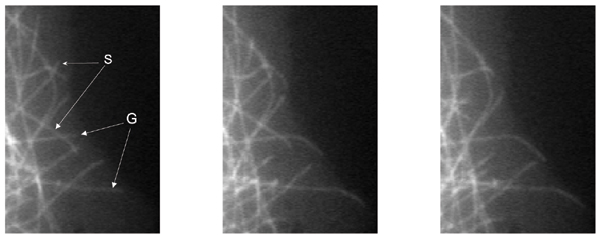
The dynamic growing and shortening behaviors of microtubules are central to the fundamental roles played by microtubules in essentially all eukaryotic cells. Traditionally, microtubule behavior is quantified by manually tracking individual microtubules in time-lapse images under various experimental conditions. Manual analysis is laborious, approximate, and often offers limited analytical capability in extracting potentially valuable information from the data.
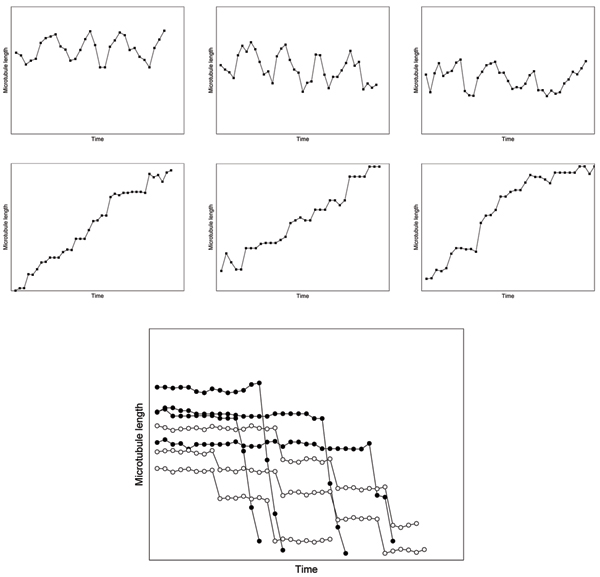
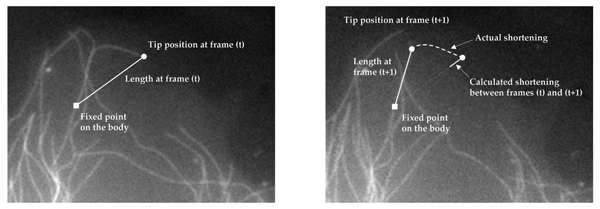
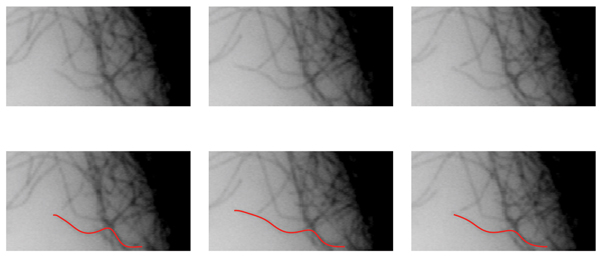
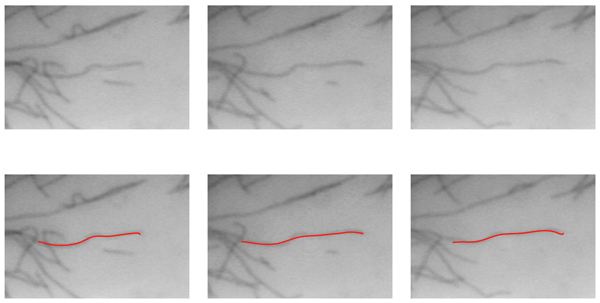
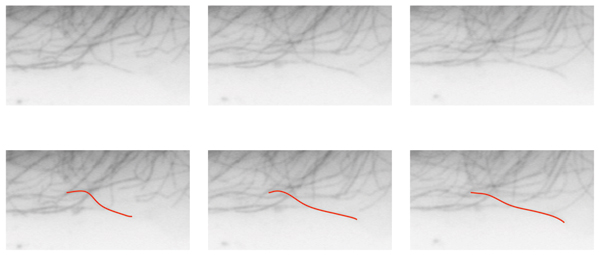
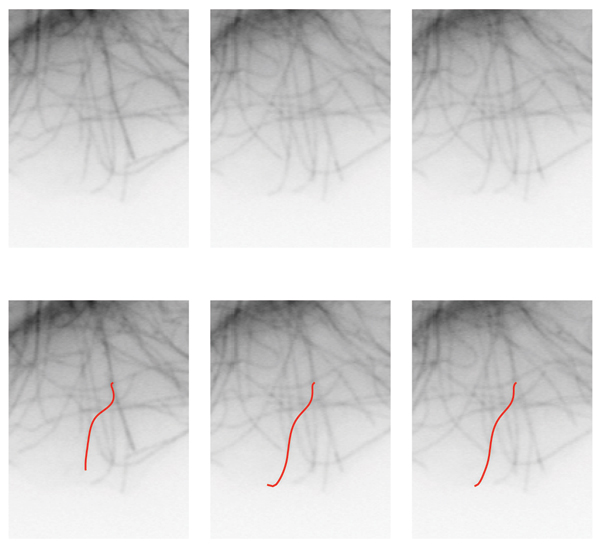
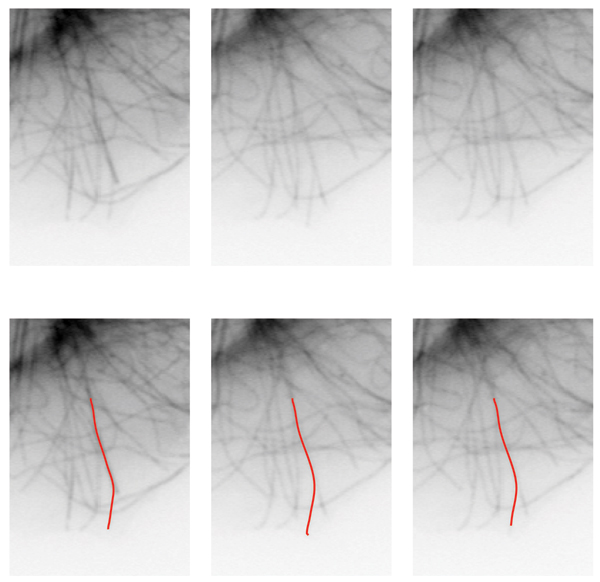
In this work, we present computer vision and machine-learning based methods for extracting novel dynamics information from time-lapse images. Using actual microtubule data, we estimate statistical models of microtubule behavior that are highly effective in identifying common and distinct characteristics of microtubule dynamic behavior.
Computational methods provide powerful analytical capabilities in addition to traditional analysis methods for studying microtubule dynamic behavior. Novel capabilities, such as building and querying microtubule image databases, are introduced to quantify and analyze microtubule dynamic behavior.
微管的动态生长和缩短行为对于微管在几乎所有真核细胞中所发挥的基本作用至关重要。传统上,微管行为是通过在各种实验条件下的延时图像中手动追踪单个微管来进行量化的。手动分析既费力又不准确,并且在从数据中提取潜在有价值的信息时,其分析能力往往有限。
在这项工作中,我们提出了基于计算机视觉和机器学习的方法,用于从延时图像中提取新颖的动力学信息。利用实际的微管数据,我们估计了微管行为的统计模型,这些模型在识别微管动态行为的共同和独特特征方面非常有效。
除了传统的分析方法外,计算方法为研究微管动态行为提供了强大的分析能力。引入了诸如构建和查询微管图像数据库等新功能,以量化和分析微管动态行为。