Glaab Thomas, Taube Christian, Braun Armin, Mitzner Wayne
1Department of Pulmonary Medicine, III. Medical Clinic, Johannes Gutenberg-University, Mainz, Germany.
Respir Res. 2007 Sep 14;8(1):63. doi: 10.1186/1465-9921-8-63.
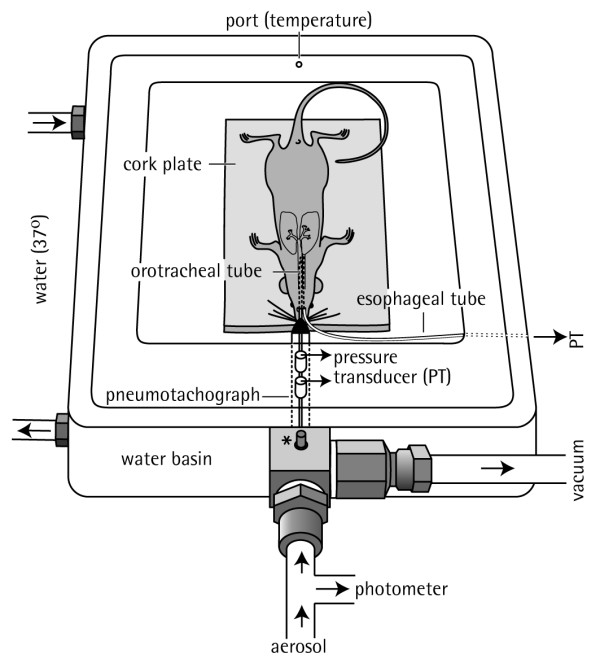
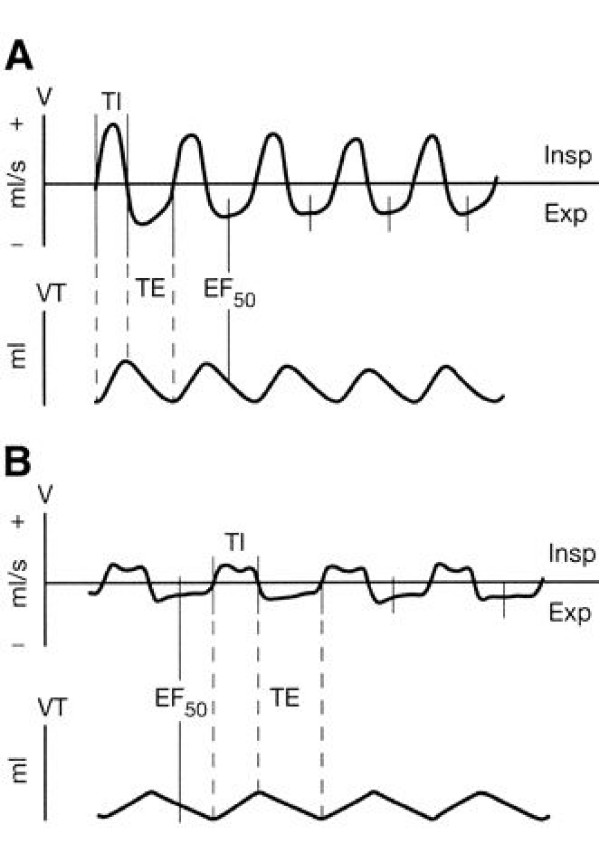
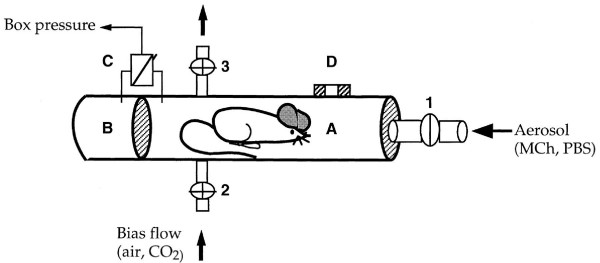
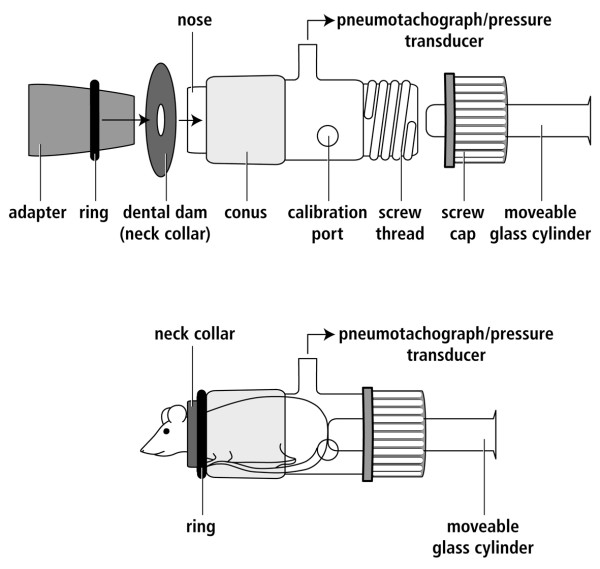
The widespread use of genetically altered mouse models of experimental asthma has stimulated the development of lung function techniques in vivo to characterize the functional results of genetic manipulations. Here, we describe various classical and recent methods of measuring airway responsiveness in vivo including both invasive methodologies in anesthetized, intubated mice (repetitive/non-repetitive assessment of pulmonary resistance (RL) and dynamic compliance (Cdyn); measurement of low-frequency forced oscillations (LFOT)) and noninvasive technologies in conscious animals (head-out body plethysmography; barometric whole-body plethysmography). Outlined are the technical principles, validation and applications as well as the strengths and weaknesses of each methodology. Reviewed is the current set of invasive and noninvasive methods of measuring murine pulmonary function, with particular emphasis on practical considerations that should be considered when applying them for phenotyping in the laboratory mouse.
基因工程改造的实验性哮喘小鼠模型的广泛应用推动了体内肺功能技术的发展,以表征基因操作的功能结果。在此,我们描述了多种在体内测量气道反应性的经典和最新方法,包括在麻醉、插管小鼠中的侵入性方法(重复/非重复评估肺阻力(RL)和动态顺应性(Cdyn);测量低频强迫振荡(LFOT))以及在清醒动物中的非侵入性技术(头出式体容积描记法;气压式全身体容积描记法)。概述了每种方法的技术原理、验证和应用以及优缺点。回顾了当前测量小鼠肺功能的侵入性和非侵入性方法,特别强调了在实验室小鼠中应用它们进行表型分析时应考虑的实际因素。