Corn Paul G
MD Anderson Cancer Center, GU Medical Oncology, Box 1374, 1515 Holcombe Boulevard, Houston, TX 77030, USA.
BMC Biochem. 2007 Nov 22;8 Suppl 1(Suppl 1):S4. doi: 10.1186/1471-2091-8-S1-S4.
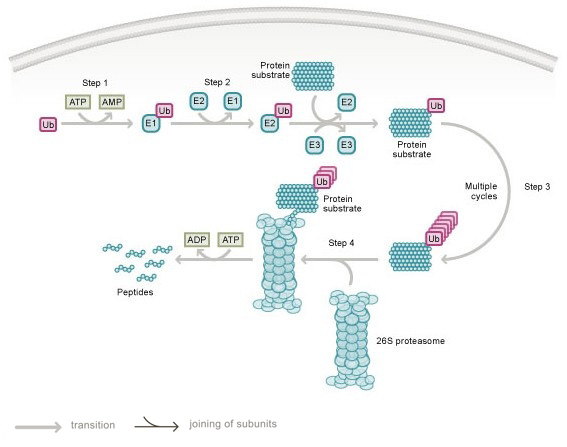
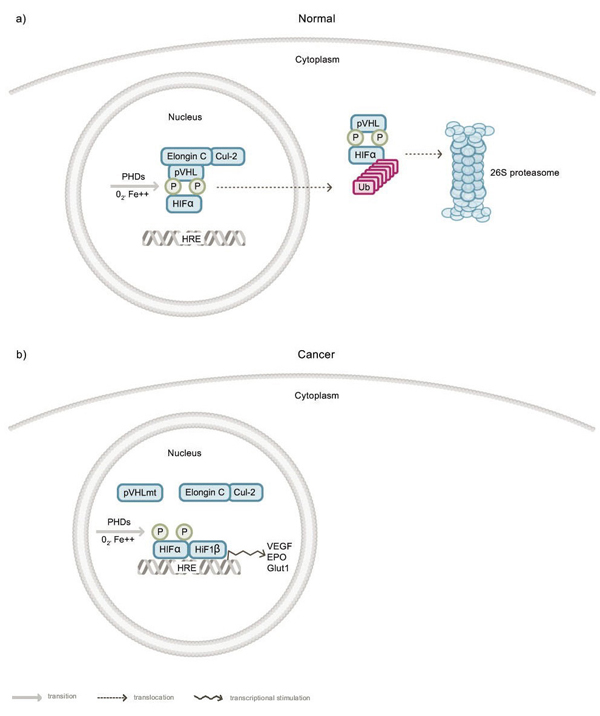
Renal cell carcinoma (RCC) accounts for approximately 2.6% of all cancers in the United States. While early stage disease is curable by surgery, the median survival of metastatic disease is only 13 months. In the last decade, there has been considerable progress in understanding the genetics of RCC. The VHL tumor suppressor gene is inactivated in the majority of RCC cases. The VHL protein (pVHL) acts as an E3 ligase that targets HIF-1, the hypoxia inducible transcription factor, for degradation by the ubiquitin proteasome system (UPS). In RCC cases with mutant pVHL, HIF-1 is stabilized and aberrantly expressed in normoxia, leading to the activation of pro-survival genes such as vascular endothelial growth factor (VEGF). This review will focus on the defect in the UPS that underlies RCC and describe the development of novel therapies that target the UPS. Publication history: Republished from Current BioData's Targeted Proteins database (TPdb; http://www.targetedproteinsdb.com).
肾细胞癌(RCC)约占美国所有癌症的2.6%。虽然早期疾病可通过手术治愈,但转移性疾病的中位生存期仅为13个月。在过去十年中,在理解RCC的遗传学方面取得了相当大的进展。大多数RCC病例中VHL肿瘤抑制基因失活。VHL蛋白(pVHL)作为一种E3连接酶,靶向缺氧诱导转录因子HIF-1,使其通过泛素蛋白酶体系统(UPS)降解。在具有突变pVHL的RCC病例中,HIF-1在常氧状态下稳定且异常表达,导致促生存基因如血管内皮生长因子(VEGF)的激活。本综述将聚焦于RCC所基于的UPS缺陷,并描述针对UPS的新型疗法的发展。出版历史:从Current BioData的靶向蛋白质数据库(TPdb;http://www.targetedproteinsdb.com)重新发布。