Berry Deborah L, Baehrecke Eric H
Center for Biosystems Research, University of Maryland Biotechnology Institute, College Park, MD 20742, USA.
Cell. 2007 Dec 14;131(6):1137-48. doi: 10.1016/j.cell.2007.10.048.
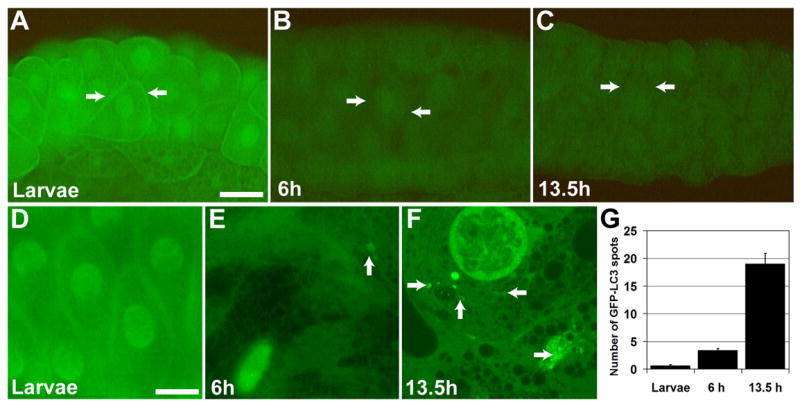
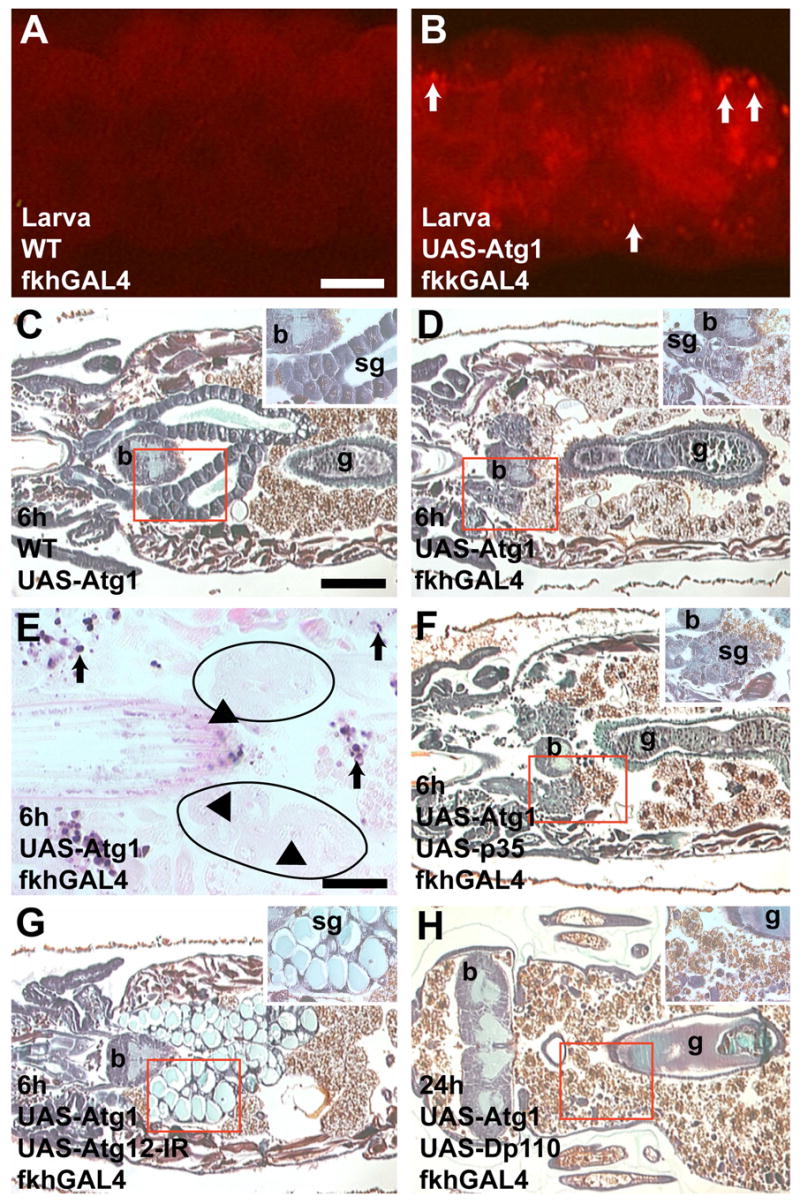
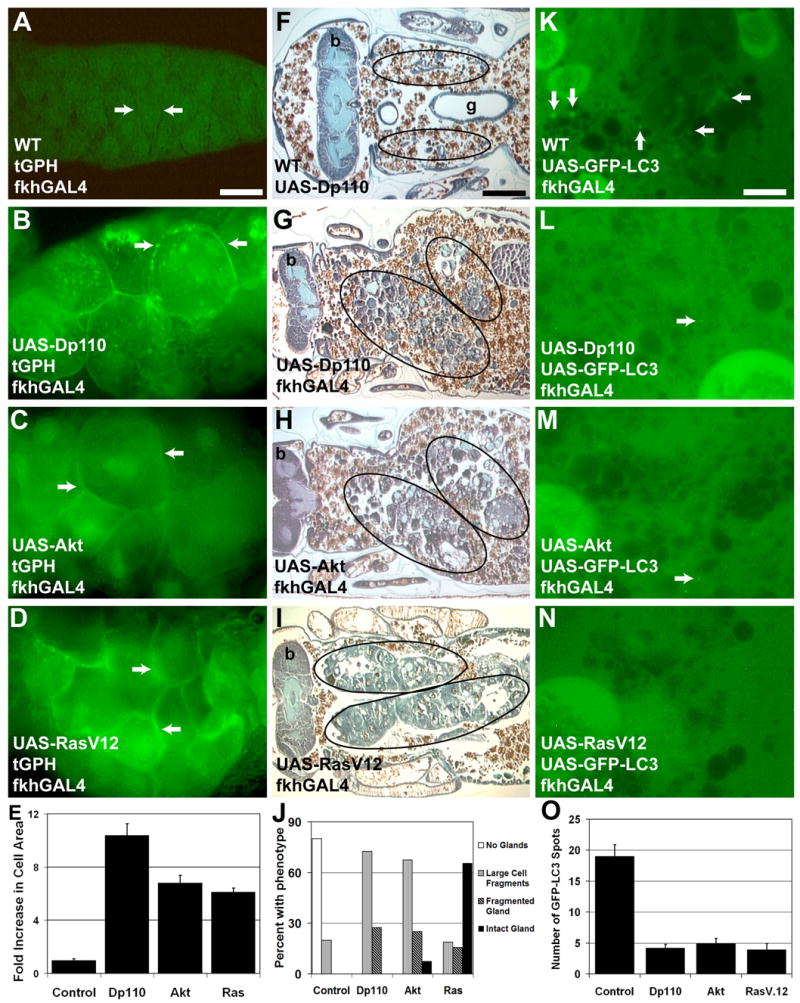
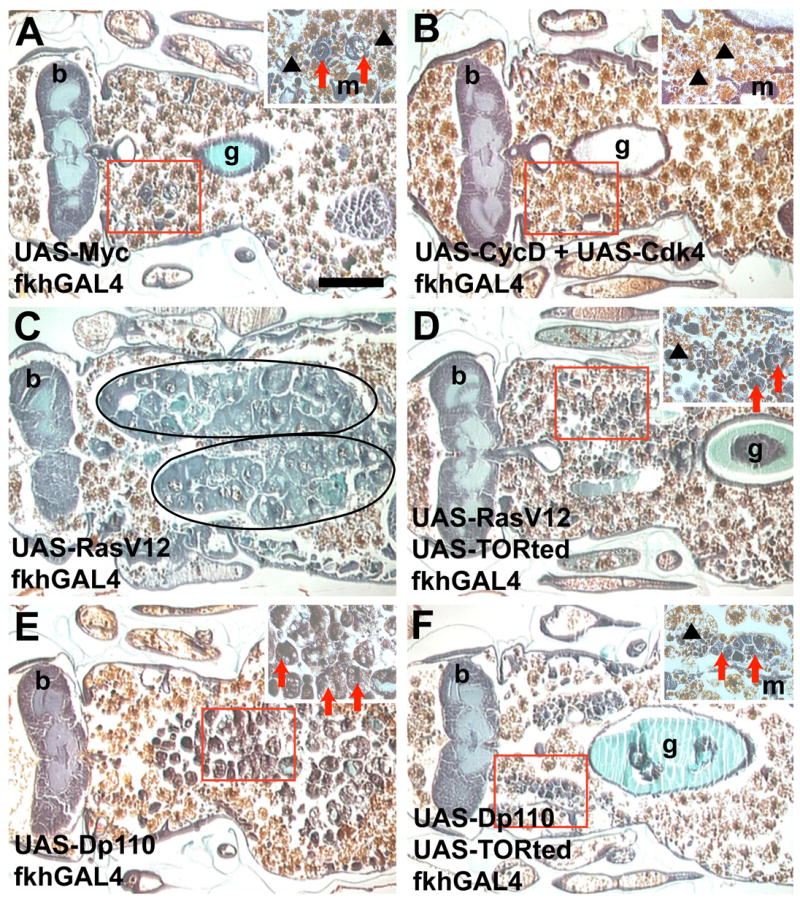
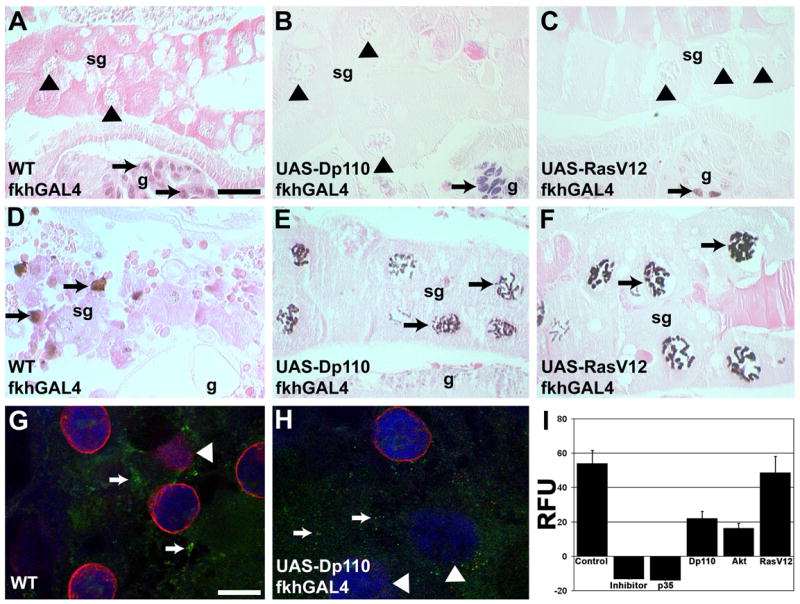
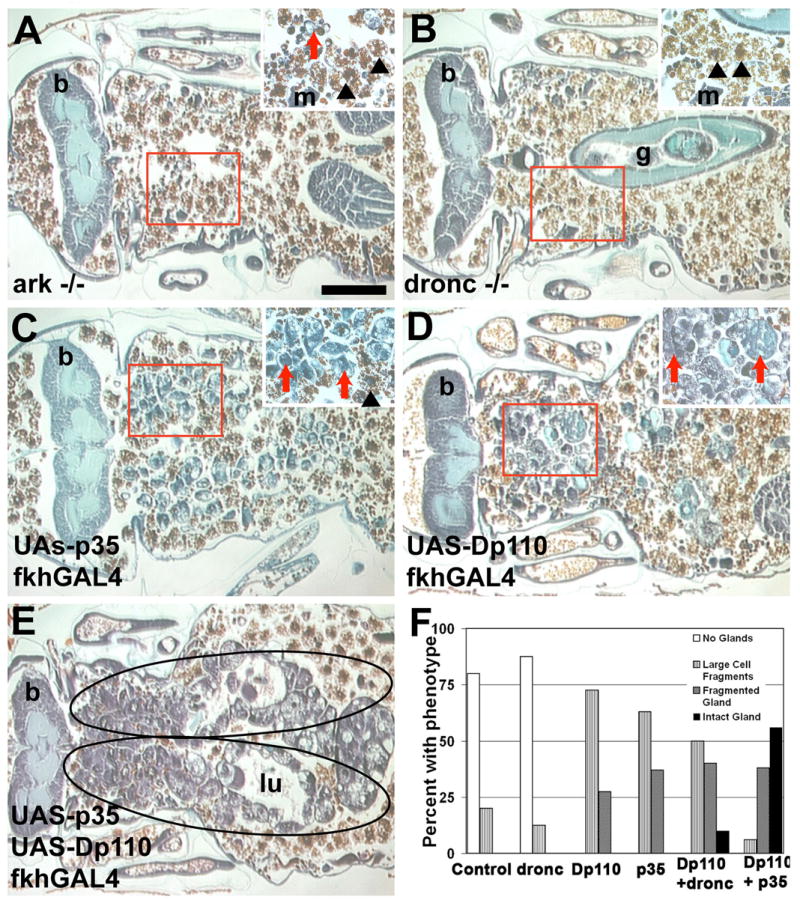
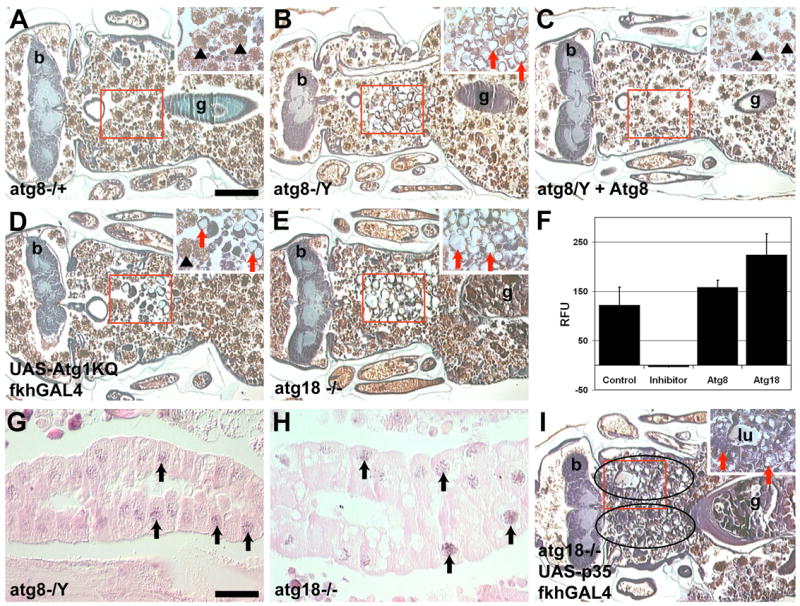
Autophagy is a catabolic process that is negatively regulated by growth and has been implicated in cell death. We find that autophagy is induced following growth arrest and precedes developmental autophagic cell death of Drosophila salivary glands. Maintaining growth by expression of either activated Ras or positive regulators of the class I phosphoinositide 3-kinase (PI3K) pathway inhibits autophagy and blocks salivary gland cell degradation. Developmental degradation of salivary glands is also inhibited in autophagy gene (atg) mutants. Caspases are active in PI3K-expressing and atg mutant salivary glands, and combined inhibition of both autophagy and caspases increases suppression of gland degradation. Further, induction of autophagy is sufficient to induce premature cell death in a caspase-independent manner. Our results provide in vivo evidence that growth arrest, autophagy, and atg genes are required for physiological autophagic cell death and that multiple degradation pathways cooperate in the efficient clearance of cells during development.
自噬是一种分解代谢过程,受生长的负调控,且与细胞死亡有关。我们发现,自噬在生长停滞之后被诱导,并先于果蝇唾液腺的发育性自噬细胞死亡。通过表达活化的Ras或I类磷酸肌醇3激酶(PI3K)途径的正向调节因子来维持生长,可抑制自噬并阻止唾液腺细胞降解。自噬基因(atg)突变体中唾液腺的发育性降解也受到抑制。半胱天冬酶在表达PI3K的唾液腺和atg突变体唾液腺中具有活性,同时抑制自噬和半胱天冬酶可增强对腺体降解的抑制作用。此外,自噬的诱导足以以不依赖半胱天冬酶的方式诱导过早的细胞死亡。我们的结果提供了体内证据,表明生长停滞、自噬和atg基因是生理性自噬细胞死亡所必需的,并且在发育过程中多种降解途径协同作用以有效清除细胞。