Zhao Yuming, Fishelevich Rita, Petrali John P, Zheng Lida, Anatolievna Malinina Alla, Deng April, Eckert Richard L, Gaspari Anthony A
Department of Dermatology, University of Maryland School of Medicine, Baltimore, Maryland 21201, USA.
J Invest Dermatol. 2008 Sep;128(9):2190-7. doi: 10.1038/jid.2008.81. Epub 2008 Apr 3.
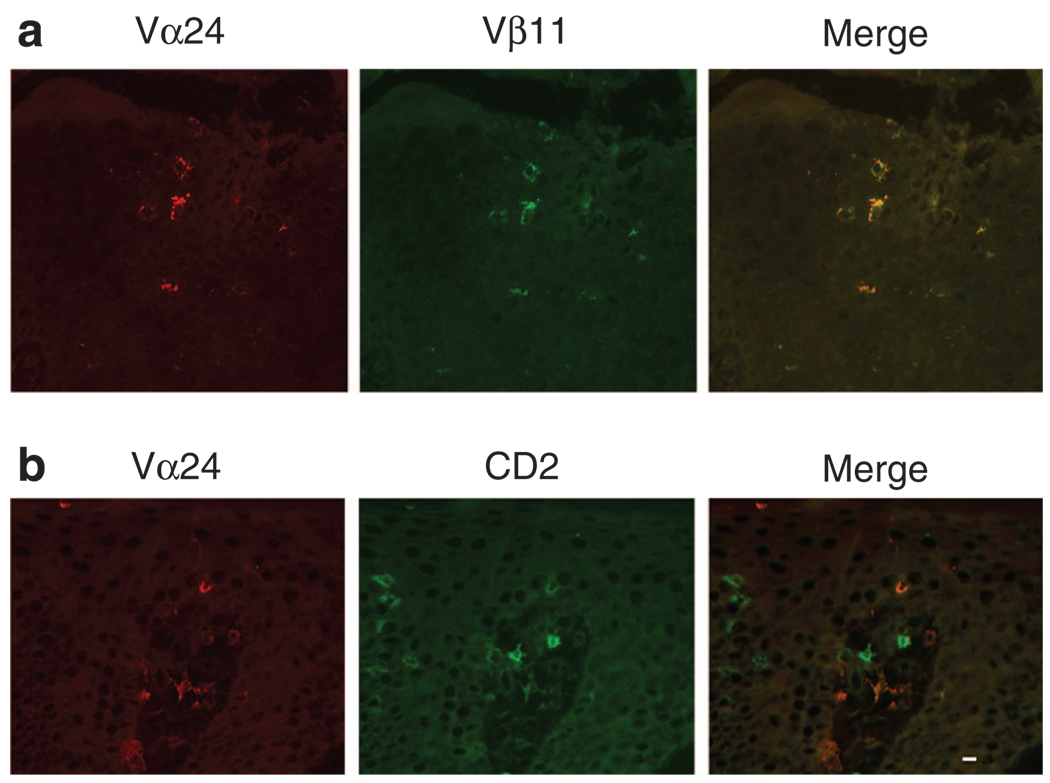
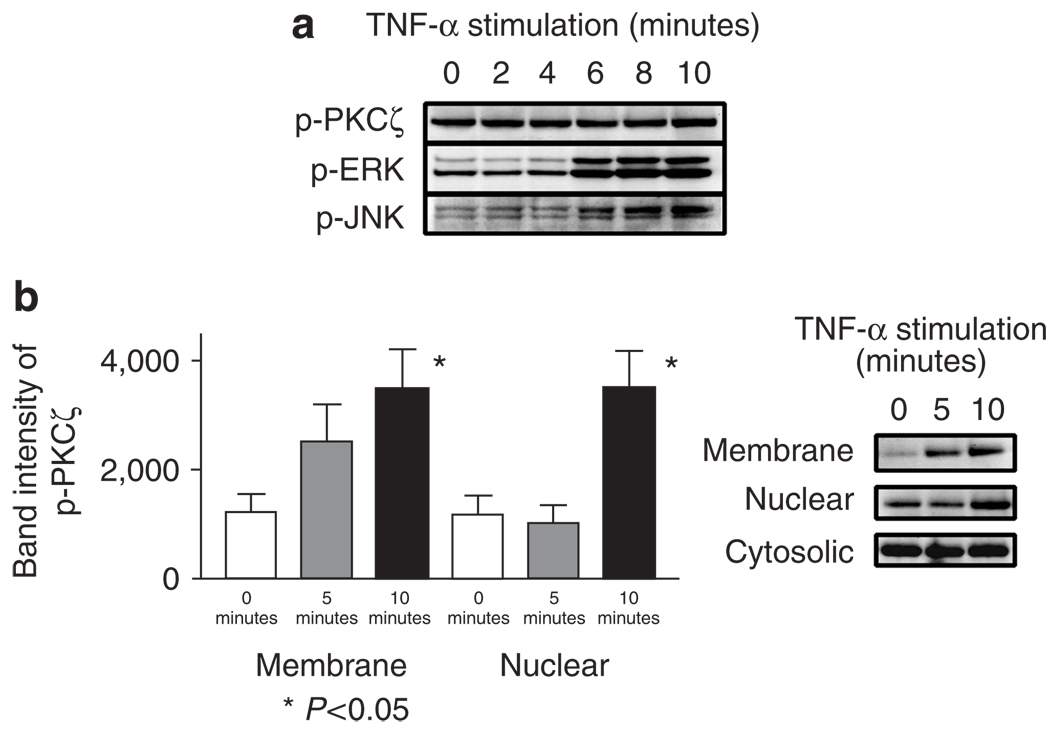
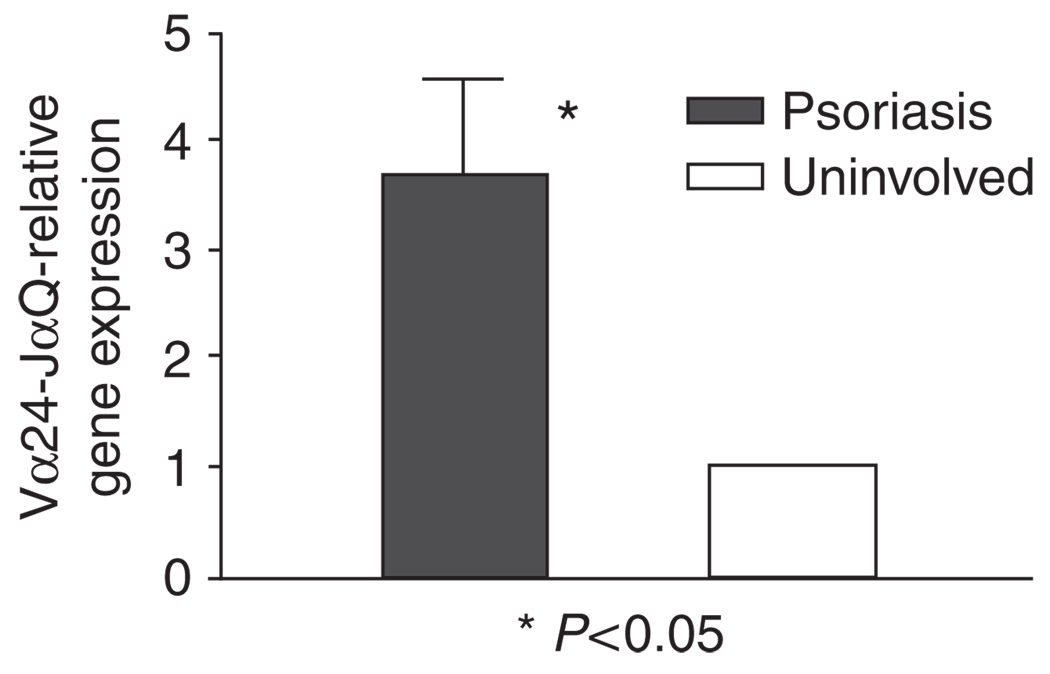
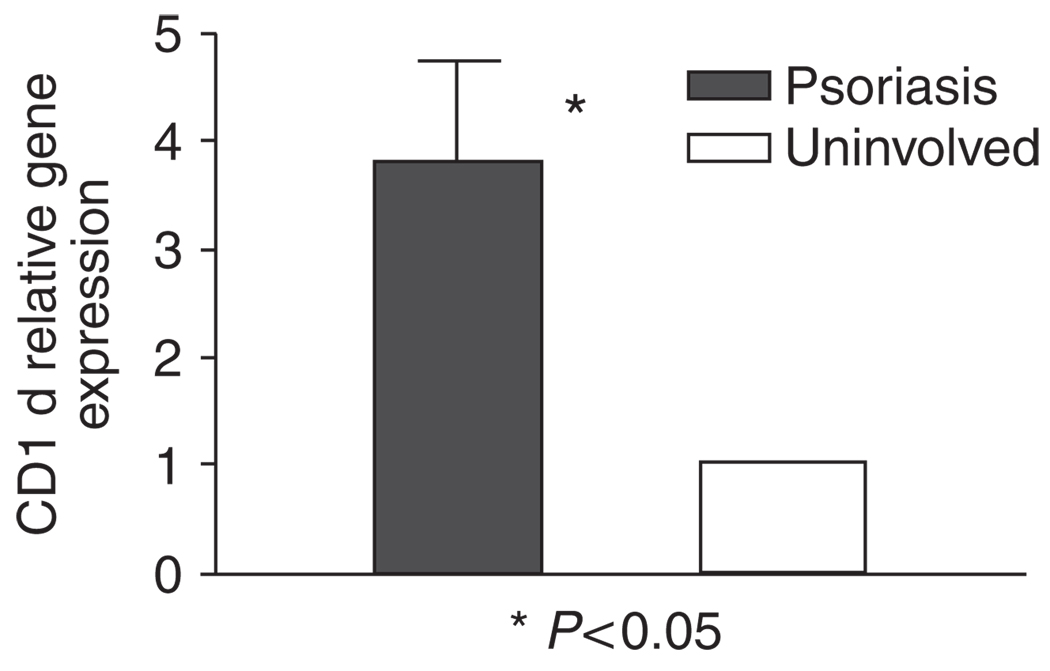
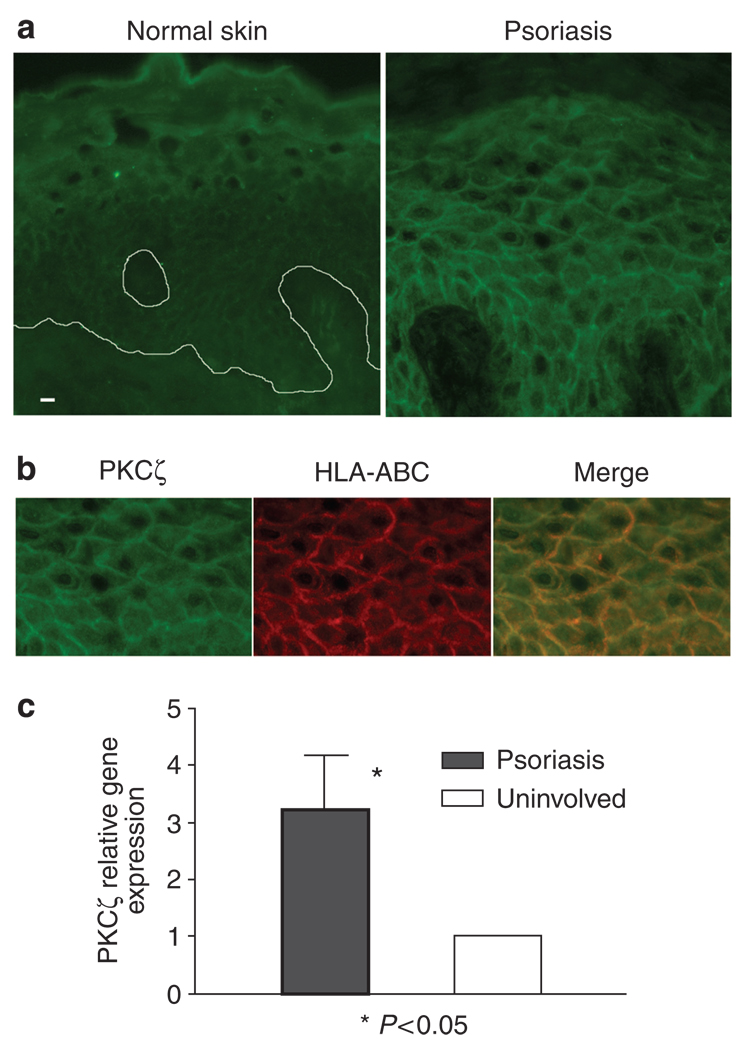
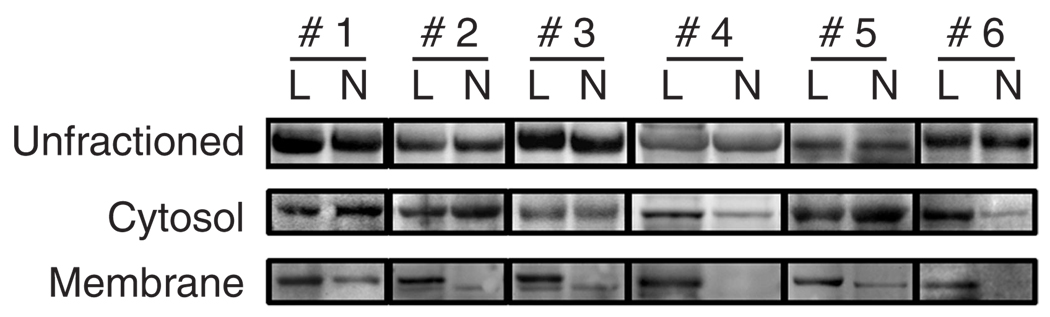
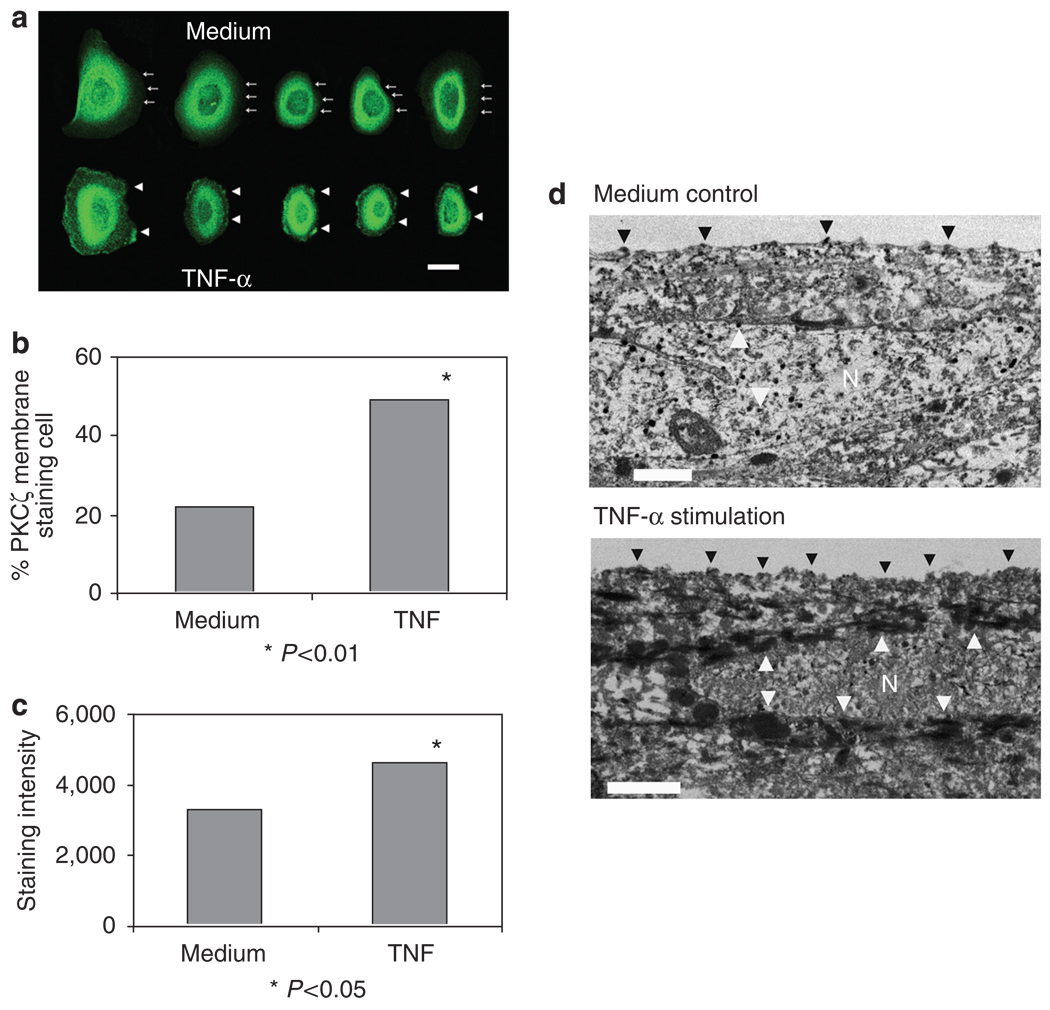
PKCzeta (protein kinase C-zeta), a member of protein kinase C family, plays an important role in cell proliferation, differentiation, and apoptosis. It acts as a downstream molecule for TNF-alpha (tumor necrosis factor) signal transduction and also regulates the expression of CD1d, an HLA-class I-like molecule. The interaction of CD1d with natural killer T (NKT) cells has been shown to be important in their Th1 cytokine production in psoriasis. In this study, we examined PKCzeta in psoriasis in order to define its role in the pathogenesis of the disease. We found that T-cell receptor (TCR) V alpha24+ V beta11+ NKT cells and CD1d molecules within psoriatic skin were increased. Moreover, there was an associated increase in PKCzeta mRNA and protein expression with membrane translocation in psoriasis lesions compared to uninvolved skin. Furthermore, cultured keratinocytes exhibited increased PKCzeta activity and membrane translocation upon stimulation by TNF-alpha, a cytokine known to play an important role in the pathogenesis of psoriasis. These results implied that PKCzeta is an important transduction molecule downstream of TNF-alpha signaling and is associated with increased expression of CD1d that may enhance CD1d-NKT cell interactions in psoriasis lesions. This makes PKCzeta a tempting target for possible pharmacological intervention in modifying the downstream effects of TNF-alpha in psoriasis.
蛋白激酶Cζ(PKCζ)是蛋白激酶C家族的一员,在细胞增殖、分化和凋亡过程中发挥着重要作用。它作为肿瘤坏死因子-α(TNF-α)信号转导的下游分子,还调节CD1d(一种I类人白细胞抗原样分子)的表达。在银屑病中,CD1d与自然杀伤T(NKT)细胞的相互作用在其Th1细胞因子产生中已被证明具有重要意义。在本研究中,我们检测了银屑病中的PKCζ,以确定其在该疾病发病机制中的作用。我们发现,银屑病皮肤中的T细胞受体(TCR)Vα24 + Vβ11 + NKT细胞和CD1d分子有所增加。此外,与未受累皮肤相比,银屑病皮损中PKCζ mRNA和蛋白表达以及膜转位均有相关增加。此外,培养的角质形成细胞在受到TNF-α刺激后,PKCζ活性和膜转位增加,TNF-α是一种已知在银屑病发病机制中起重要作用的细胞因子。这些结果表明,PKCζ是TNF-α信号下游的重要转导分子,并且与CD1d表达增加相关,这可能增强银屑病皮损中CD1d-NKT细胞的相互作用。这使得PKCζ成为在银屑病中改变TNF-α下游效应的可能药物干预的诱人靶点。