Messner Donald J, Sivam Gowsala, Kowdley Kris V
Bastyr University Research Center, Bastyr University, Kenmore, WA 98028, USA.
Liver Int. 2009 Jan;29(1):63-72. doi: 10.1111/j.1478-3231.2008.01793.x. Epub 2008 May 19.
BACKGROUND/AIMS: Iron overload can cause liver toxicity and increase the risk of liver failure or hepatocellular carcinoma in humans. Curcumin (diferuloylmethane), a component of the food spice turmeric, has antioxidant, iron binding and hepatoprotective properties. The aim of this study was to quantify its effects on iron overload and the resulting downstream toxic effects in cultured T51B rat liver epithelial cells.
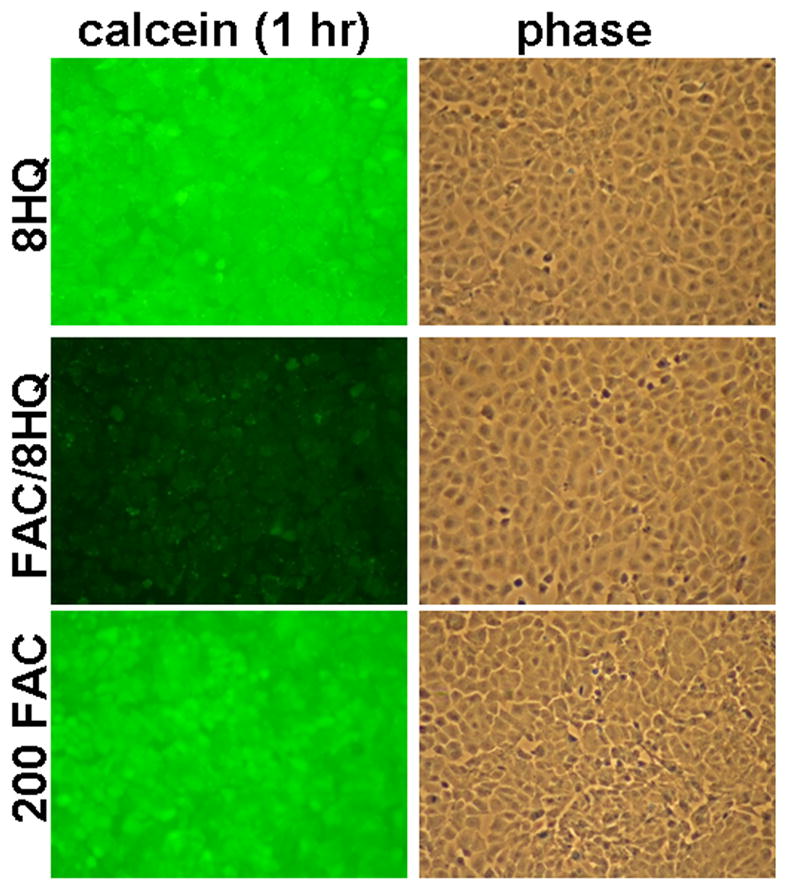
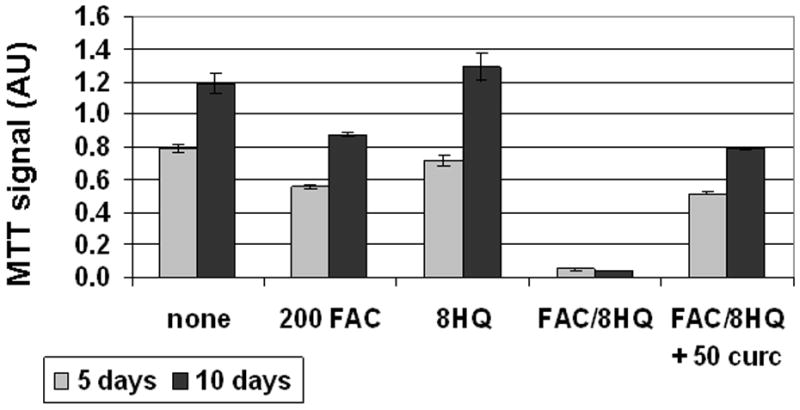
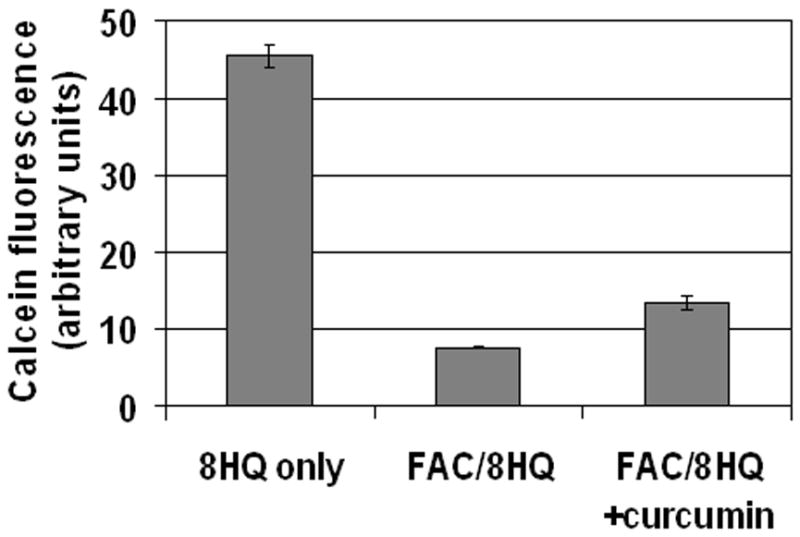
T51B cells were loaded with ferric ammonium citrate (FAC) with or without the iron delivery agent 8-hydroxyquinoline. Cytotoxicity was measured by methylthiazolyldiphenyl-tetrazolium bromide assay. Iron uptake and iron bioavailability were documented by chemical assay, quench of calcein fluorescence and ferritin induction. Reactive oxygen species (ROS) were measured by a fluorescence assay using 2',7'-dichlorodihydrofluorescein diacetate. Oxidative stress signalling to jnk, c-jun and p38 was measured by a Western blot with phospho-specific antibodies.
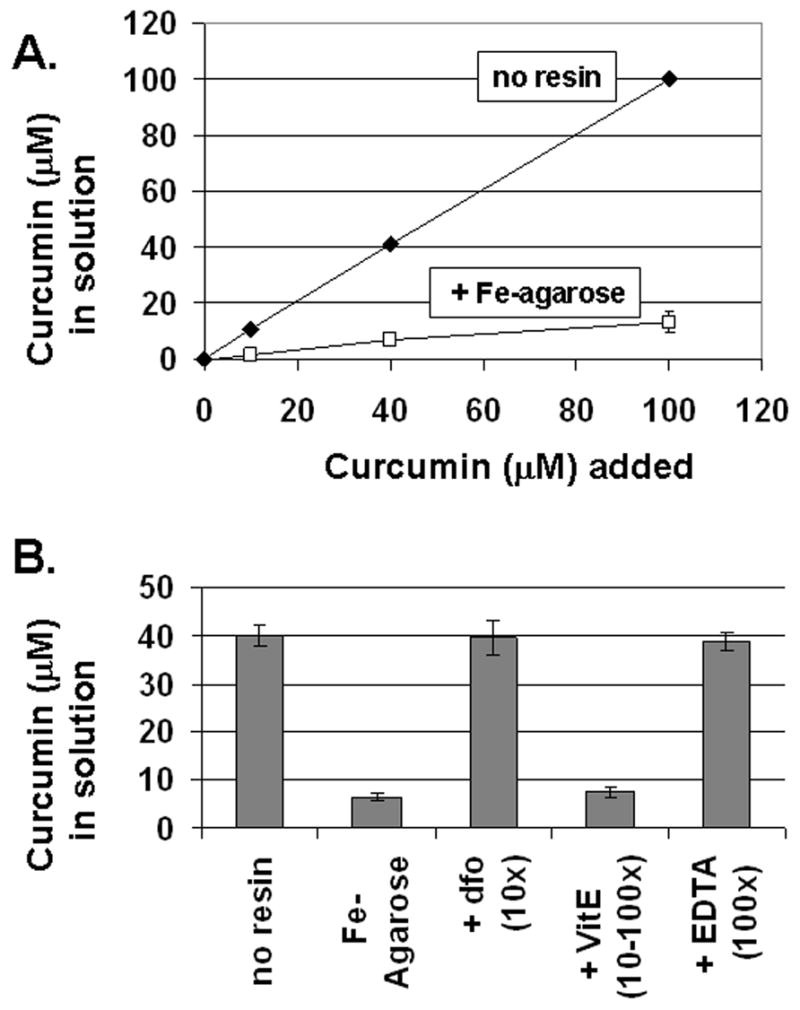
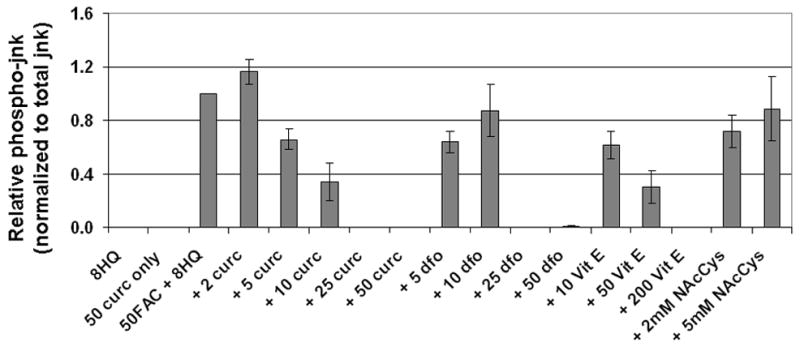
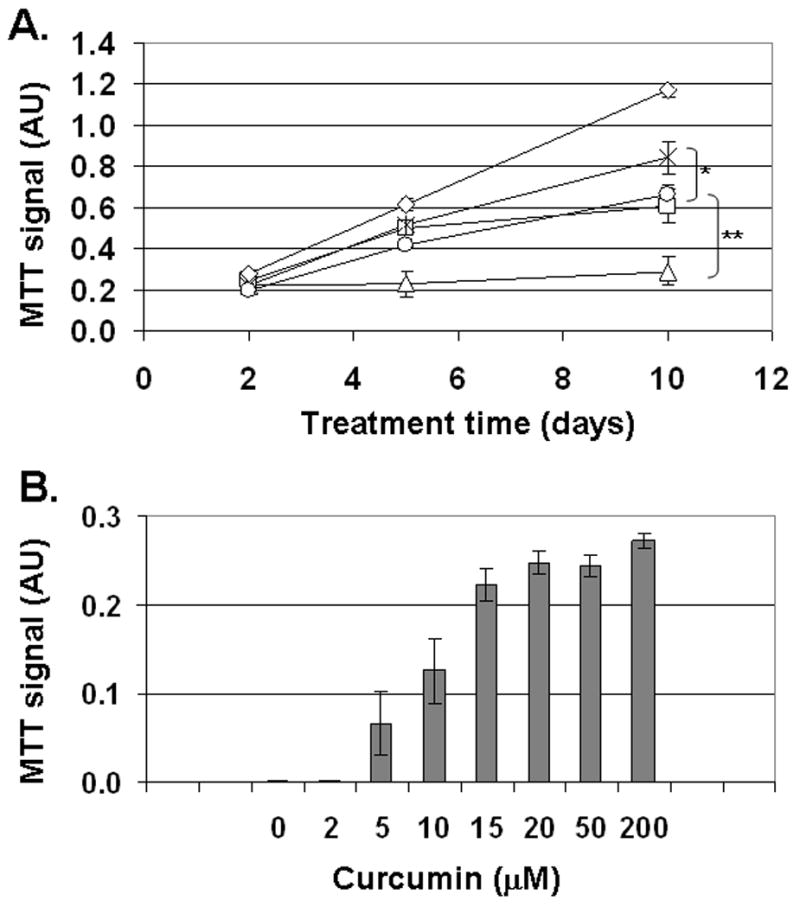
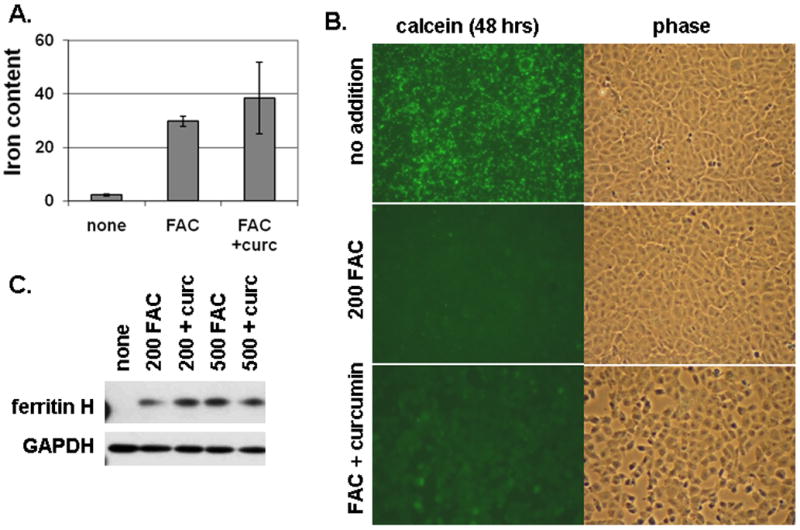
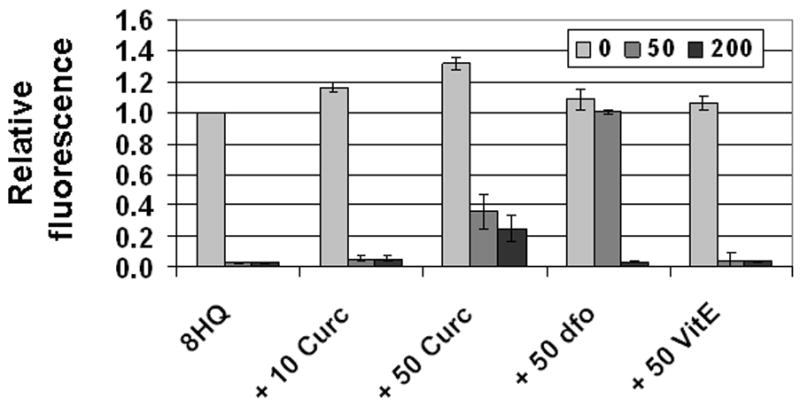
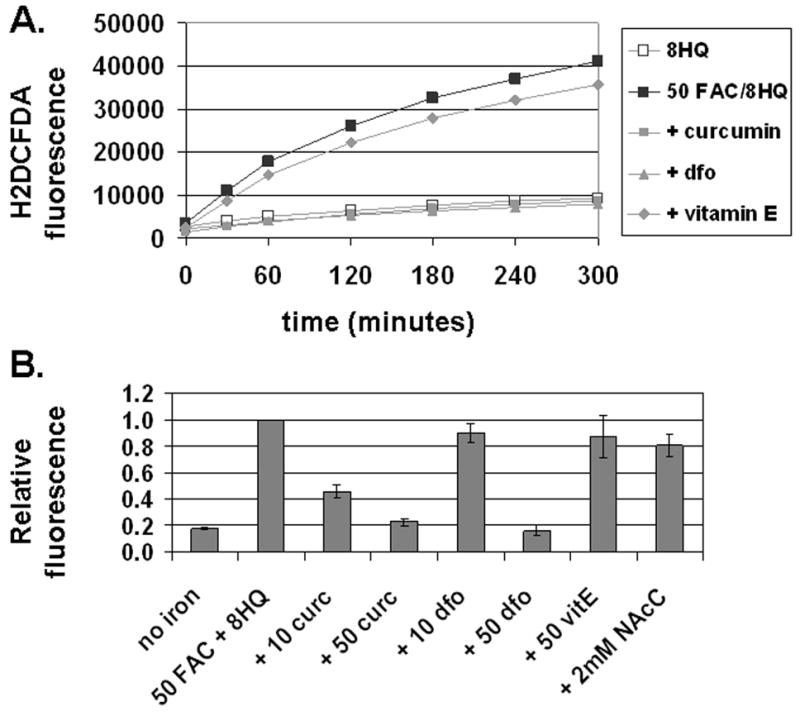
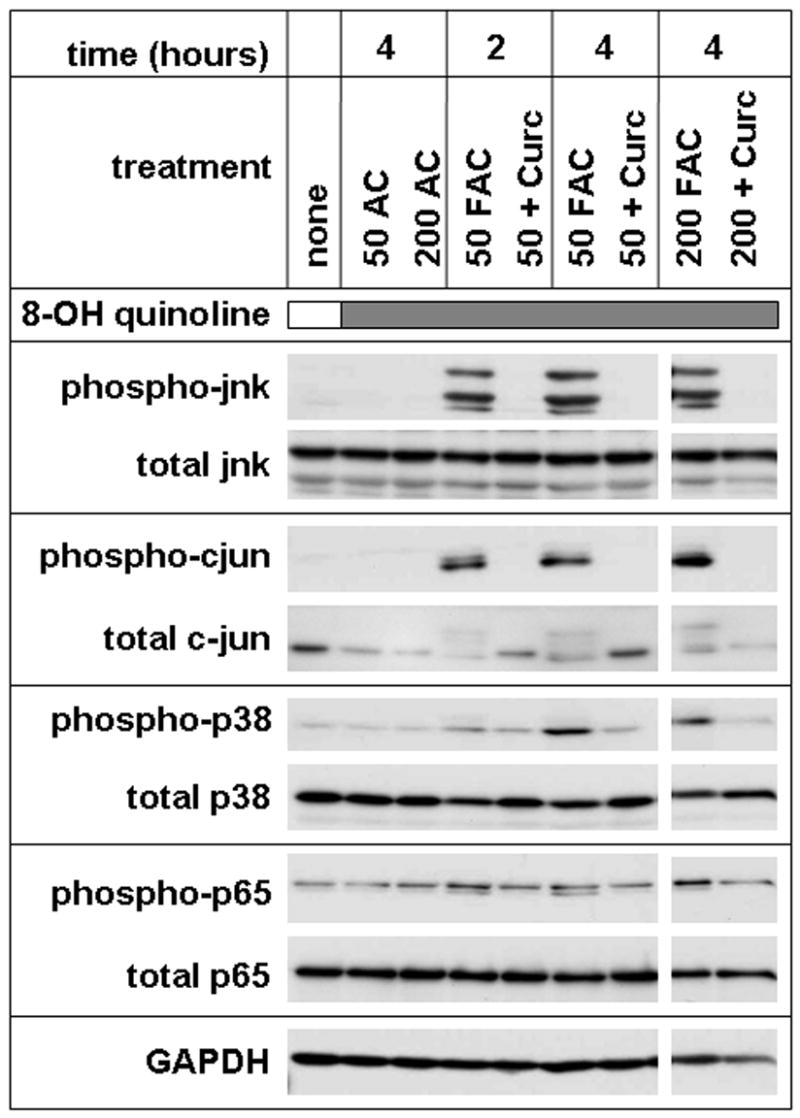
Curcumin bound iron, but did not block iron uptake or bioavailability in T51B cells given FAC. However, it reduced cytotoxicity, blocked the generation of ROS and eliminated signalling to cellular stress pathways caused by iron. Inhibition was observed over a wide range of FAC concentrations (50-500 microM), with an apparent IC(50) in all cases between 5 and 10 microM curcumin. In contrast, desferoxamine blocked both iron uptake and toxic effects of iron at concentrations that depended on the FAC concentration. The effects of curcumin also differed from those of alpha-tocopherol, which did not bind iron and was less effective at blocking iron-stimulated ROS generation.
Curcumin reduced iron-dependent oxidative stress and iron toxicity in T51B cells without blocking iron uptake.
背景/目的:铁过载可导致人类肝脏毒性,并增加肝衰竭或肝细胞癌的风险。姜黄素(二阿魏酰甲烷)是食用香料姜黄的一种成分,具有抗氧化、铁结合和肝脏保护特性。本研究的目的是量化其对培养的T51B大鼠肝上皮细胞中铁过载及其导致的下游毒性作用的影响。
用或不用铁转运剂8-羟基喹啉,使T51B细胞负载柠檬酸铁铵(FAC)。通过甲基噻唑基二苯基溴化四氮唑法测定细胞毒性。通过化学分析、钙黄绿素荧光猝灭和铁蛋白诱导记录铁摄取和铁生物利用度。使用2',7'-二氯二氢荧光素二乙酸酯通过荧光分析测量活性氧(ROS)。通过使用磷酸特异性抗体的蛋白质印迹法测量向jnk、c-jun和p38的氧化应激信号传导。
姜黄素结合铁,但在给予FAC的T51B细胞中不阻断铁摄取或生物利用度。然而,它降低了细胞毒性,阻断了ROS的产生,并消除了由铁引起的细胞应激途径的信号传导。在广泛的FAC浓度范围(50-500 microM)内观察到抑制作用,在所有情况下,姜黄素的表观IC(50)在5至10 microM之间。相比之下,去铁胺在取决于FAC浓度的浓度下阻断铁摄取和铁的毒性作用。姜黄素的作用也不同于α-生育酚,后者不结合铁,在阻断铁刺激的ROS产生方面效果较差。
姜黄素在不阻断铁摄取的情况下降低了T51B细胞中铁依赖性氧化应激和铁毒性。