Höppener J W M, Jacobs H M, Wierup N, Sotthewes G, Sprong M, de Vos P, Berger R, Sundler F, Ahrén B
Division of Biomedical Genetics, Department of Metabolic and Endocrine Diseases, University Medical Center Utrecht, P.O. Box 85090, 3508 AB Utrecht, The Netherlands.
Exp Diabetes Res. 2008;2008:697035. doi: 10.1155/2008/697035.
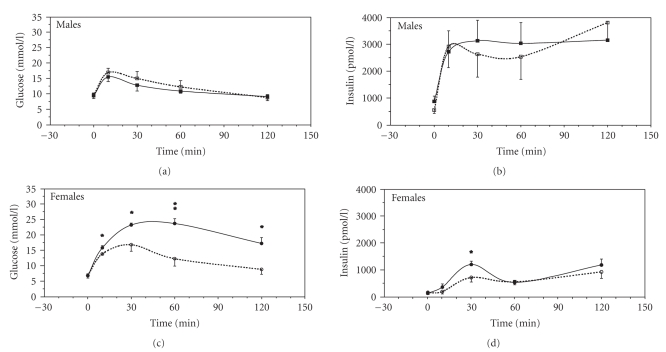
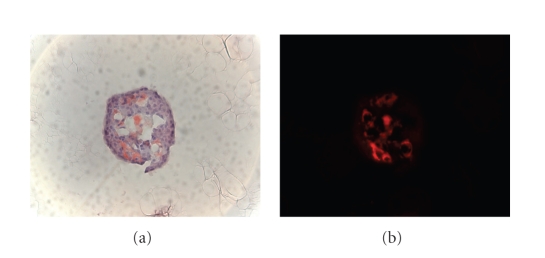
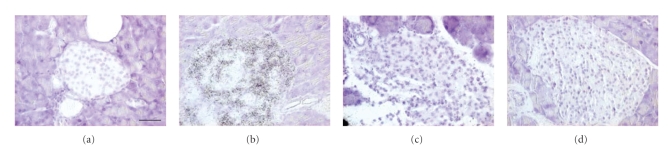
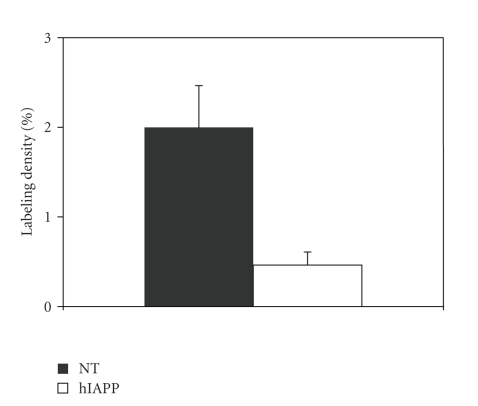
Human islet amyloid polypeptide (hIAPP), a pancreatic islet protein of 37 amino acids, is the main component of islet amyloid, seen at autopsy in patients with type 2 diabetes mellitus (DM2). To investigate the roles of hIAPP and islet amyloid in DM2, we generated transgenic mice expressing hIAPP in their islet beta cells. In this study, we found that after a long-term, high-fat diet challenge islet amyloid was observed in only 4 of 19 hIAPP transgenic mice. hIAPP transgenic females exhibited severe glucose intolerance, which was associated with a downregulation of GLUT-2 mRNA expression. In isolated islets from hIAPP males cultured for 3 weeks on high-glucose medium, the percentage of amyloid containing islets increased from 5.5% to 70%. This ex vivo system will allow a more rapid, convenient, and specific study of factors influencing islet amyloidosis as well as of therapeutic strategies to interfere with this pathological process.
人胰岛淀粉样多肽(hIAPP)是一种由37个氨基酸组成的胰岛蛋白,是胰岛淀粉样变的主要成分,在2型糖尿病(DM2)患者的尸检中可见。为了研究hIAPP和胰岛淀粉样变在DM2中的作用,我们构建了在胰岛β细胞中表达hIAPP的转基因小鼠。在本研究中,我们发现,经过长期高脂饮食刺激后,19只hIAPP转基因小鼠中只有4只出现了胰岛淀粉样变。hIAPP转基因雌性小鼠表现出严重的葡萄糖不耐受,这与GLUT-2 mRNA表达下调有关。在高糖培养基上培养3周的hIAPP雄性小鼠的分离胰岛中,含淀粉样变的胰岛百分比从5.5%增加到70%。这种体外系统将有助于更快速、方便和特异性地研究影响胰岛淀粉样变的因素以及干扰这一病理过程的治疗策略。