Melchior Linea, Kivisild Toomas, Lynnerup Niels, Dissing Jørgen
Research Laboratory, Institute of Forensic Medicine, University of Copenhagen, Copenhagen, Denmark.
PLoS One. 2008 May 28;3(5):e2214. doi: 10.1371/journal.pone.0002214.
Given the relative abundance of modern human DNA and the inherent impossibility for incontestable proof of authenticity, results obtained on ancient human DNA have often been questioned. The widely accepted rules regarding ancient DNA work mainly affect laboratory procedures, however, pre-laboratory contamination occurring during excavation and archaeological-/anthropological handling of human remains as well as rapid degradation of authentic DNA after excavation are major obstacles.
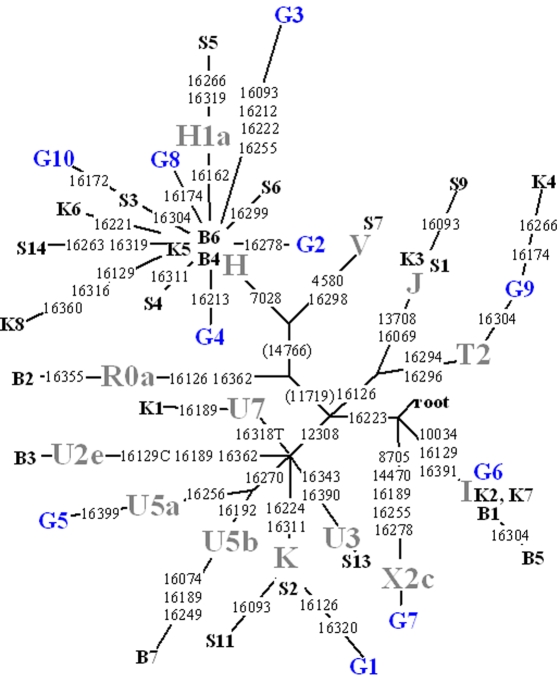
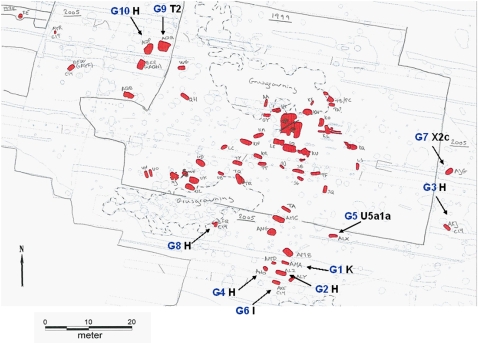
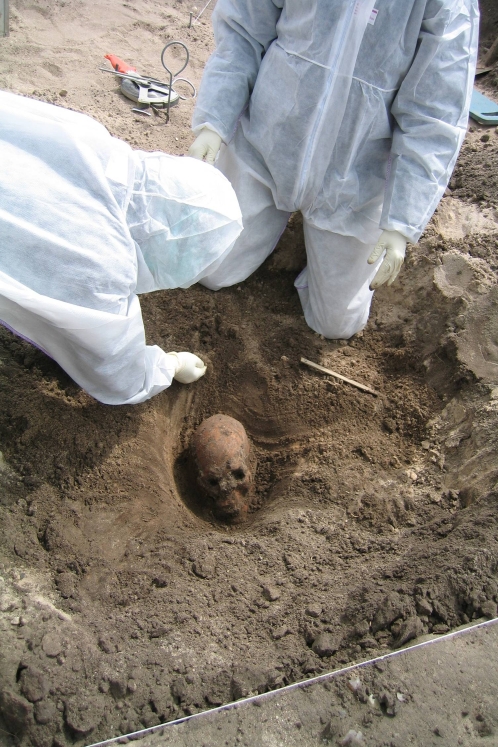
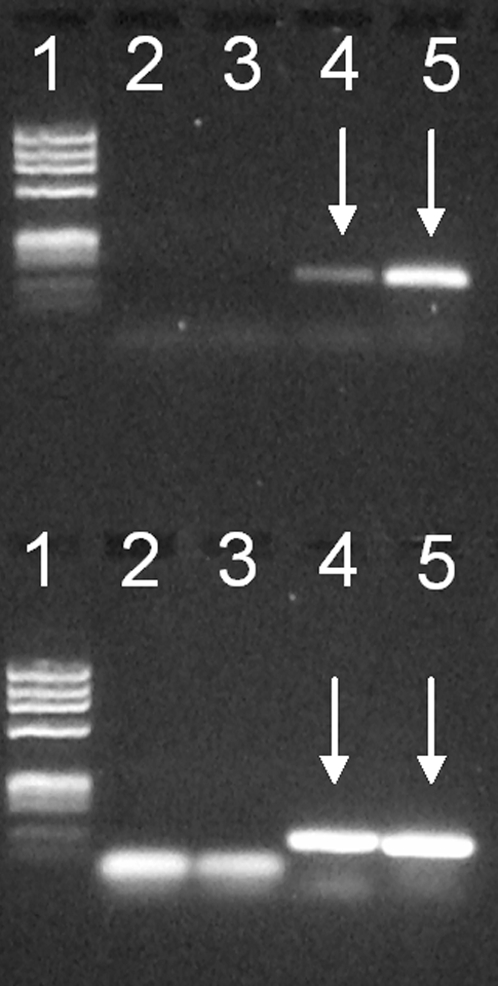
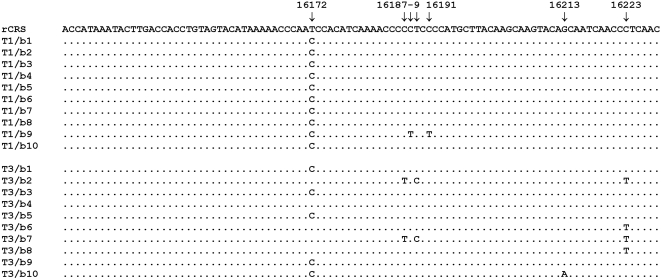
METHODOLOGY/PRINCIPAL FINDINGS: We avoided some of these obstacles by analyzing DNA from ten Viking Age subjects that at the time of sampling were untouched by humans for 1,000 years. We removed teeth from the subjects prior to handling by archaeologists and anthropologists using protective equipment. An additional tooth was removed after standard archaeological and anthropological handling. All pre-PCR work was carried out in a "clean- laboratory" dedicated solely to ancient DNA work. Mitochondrial DNA was extracted and overlapping fragments spanning the HVR-1 region as well as diagnostic sites in the coding region were PCR amplified, cloned and sequenced. Consistent results were obtained with the "unhandled" teeth and there was no indication of contamination, while the latter was the case with half of the "handled" teeth. The results allowed the unequivocal assignment of a specific haplotype to each of the subjects, all haplotypes being compatible in their character states with a phylogenetic tree drawn from present day European populations. Several of the haplotypes are either infrequent or have not been observed in modern Scandinavians. The observation of haplogroup I in the present study (<2% in modern Scandinavians) supports our previous findings of a pronounced frequency of this haplogroup in Viking and Iron Age Danes.
The present work provides further evidence that retrieval of ancient human DNA is a possible task provided adequate precautions are taken and well-considered sampling is applied.
鉴于现代人类DNA相对丰富,且无法确凿证明其真实性,古代人类DNA研究结果常常受到质疑。关于古代DNA研究的广泛认可规则主要影响实验室操作流程,然而,在挖掘过程中以及对人类遗骸进行考古学/人类学处理时发生的实验前污染,以及挖掘后真实DNA的快速降解,都是主要障碍。
方法/主要发现:我们通过分析来自10名维京时代个体的DNA避免了其中一些障碍,这些个体在采样时已有1000年未被人类触碰。在考古学家和人类学家使用防护装备处理之前,我们先从这些个体身上取出牙齿。在进行标准考古学和人类学处理后,再额外取出一颗牙齿。所有PCR前的工作都在一个专门用于古代DNA研究的“清洁实验室”中进行。提取线粒体DNA,并对跨越HVR - 1区域以及编码区域诊断位点的重叠片段进行PCR扩增、克隆和测序。“未处理”牙齿获得了一致的结果,没有污染迹象,而“处理过”的牙齿中有一半出现了污染情况。这些结果使得能够明确地为每个个体确定一种特定单倍型,所有单倍型在其特征状态上都与从现代欧洲人群绘制的系统发育树相匹配。其中几种单倍型在现代斯堪的纳维亚人中要么罕见,要么未曾观察到。本研究中观察到单倍群I(在现代斯堪的纳维亚人中比例<2%)支持了我们之前关于该单倍群在维京人和铁器时代丹麦人中频率显著的发现。
目前的工作进一步证明,只要采取适当的预防措施并进行充分考虑的采样,获取古代人类DNA是一项可行的任务。