Liu Wenbin, Lähdesmäki Harri, Dougherty Edward R, Shmulevich Ilya
Institute for Systems Biology, Seattle, WA 98103, USA.
EURASIP J Bioinform Syst Biol. 2008;2008(1):780541. doi: 10.1155/2008/780541.
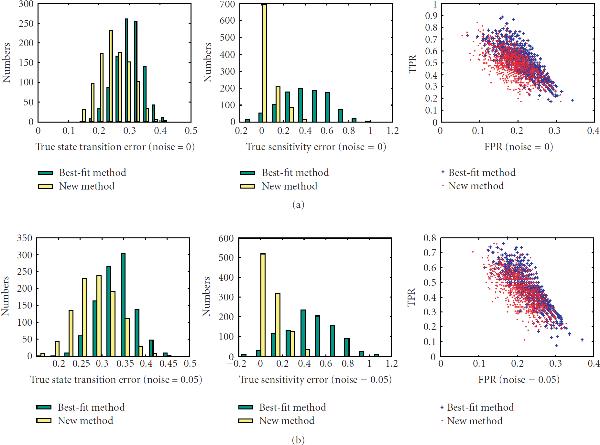
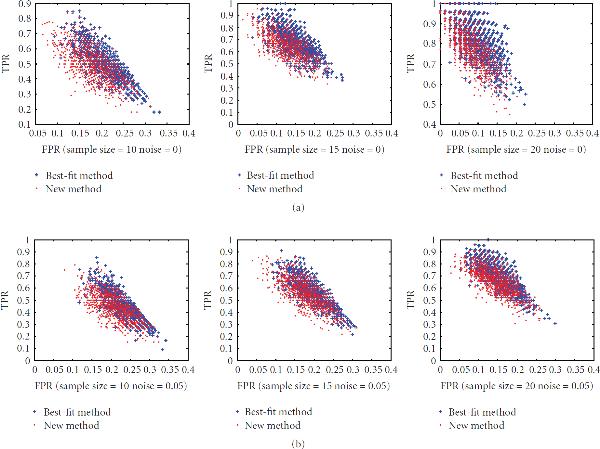
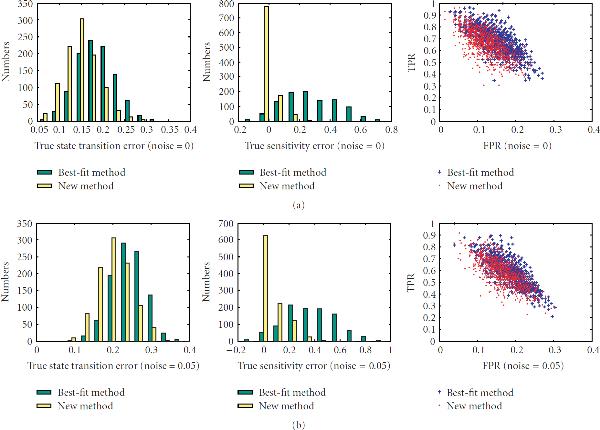
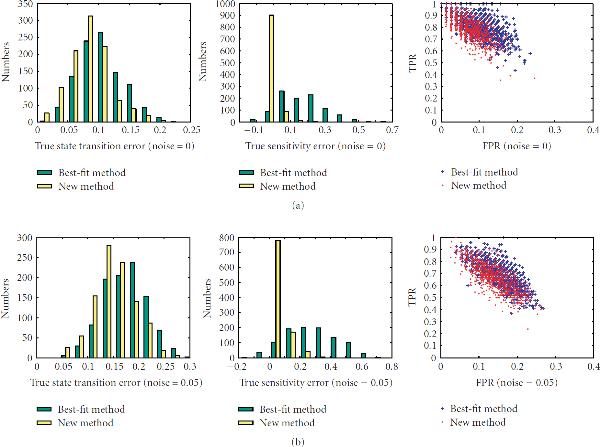
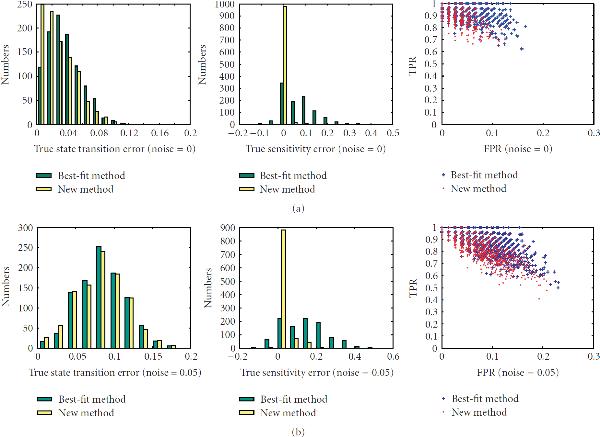
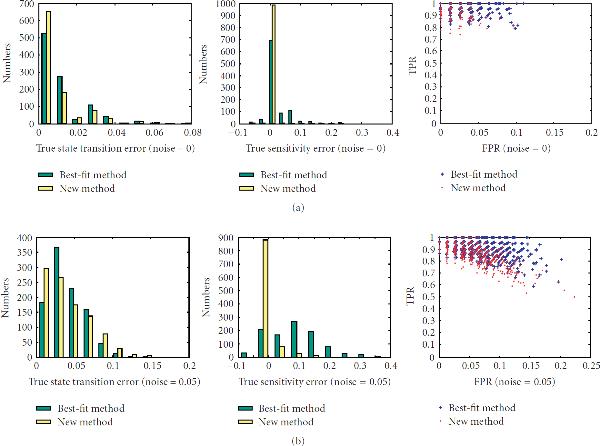
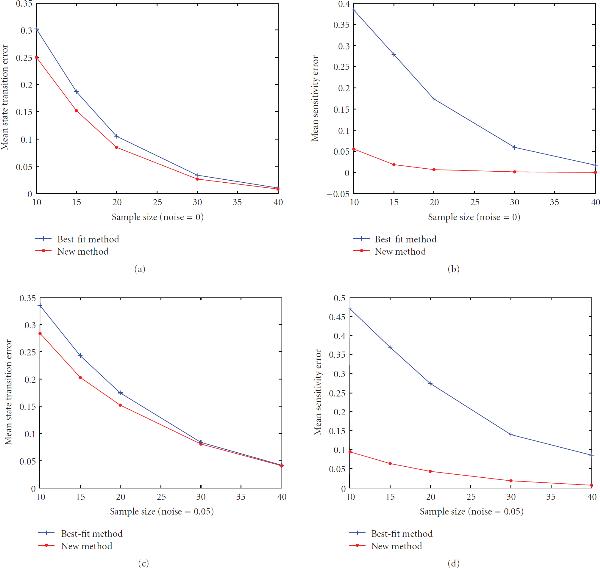
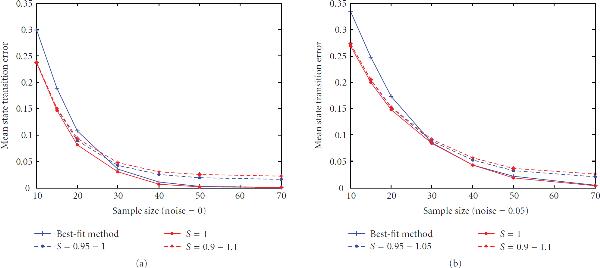
The inference of genetic regulatory networks from global measurements of gene expressions is an important problem in computational biology. Recent studies suggest that such dynamical molecular systems are poised at a critical phase transition between an ordered and a disordered phase, affording the ability to balance stability and adaptability while coordinating complex macroscopic behavior. We investigate whether incorporating this dynamical system-wide property as an assumption in the inference process is beneficial in terms of reducing the inference error of the designed network. Using Boolean networks, for which there are well-defined notions of ordered, critical, and chaotic dynamical regimes as well as well-studied inference procedures, we analyze the expected inference error relative to deviations in the networks' dynamical regimes from the assumption of criticality. We demonstrate that taking criticality into account via a penalty term in the inference procedure improves the accuracy of prediction both in terms of state transitions and network wiring, particularly for small sample sizes.
从基因表达的全局测量中推断基因调控网络是计算生物学中的一个重要问题。最近的研究表明,这种动态分子系统处于有序相和无序相之间的临界相变点,具备在协调复杂宏观行为的同时平衡稳定性和适应性的能力。我们研究了在推理过程中,将这种全系统动态特性作为一个假设纳入,是否有助于减少所设计网络的推理误差。使用布尔网络,其有序、临界和混沌动态状态有明确的定义,且推理过程也得到了充分研究,我们分析了相对于网络动态状态偏离临界假设的预期推理误差。我们证明,通过在推理过程中加入惩罚项来考虑临界性,在状态转换和网络布线方面都提高了预测的准确性,特别是对于小样本量而言。