Brundage John F, Shanks G Dennis
Armed Forces Health Surveillance Center, Silver Spring, Maryland 20910, USA.
Emerg Infect Dis. 2008 Aug;14(8):1193-9. doi: 10.3201/eid1408.071313.
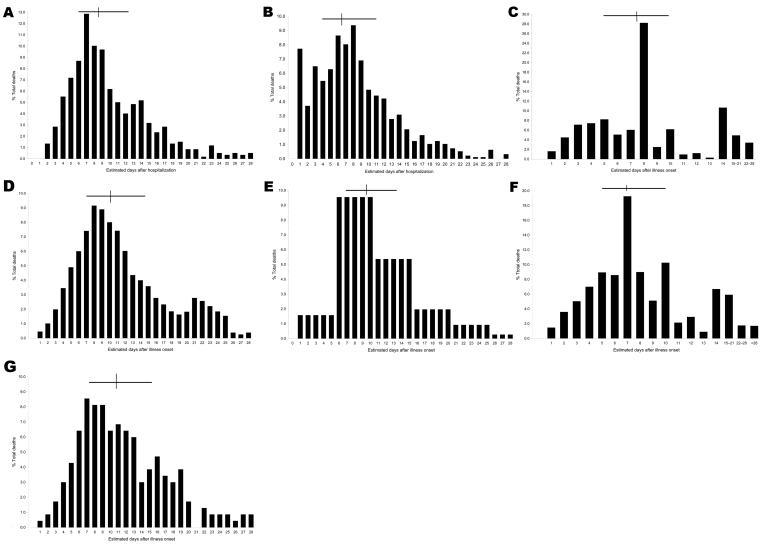
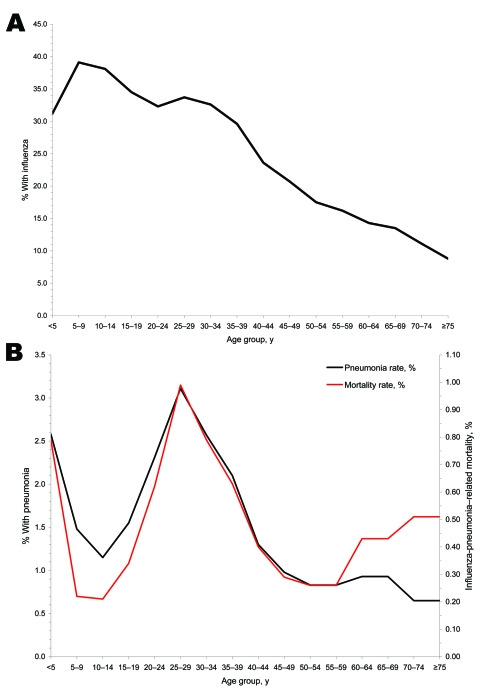
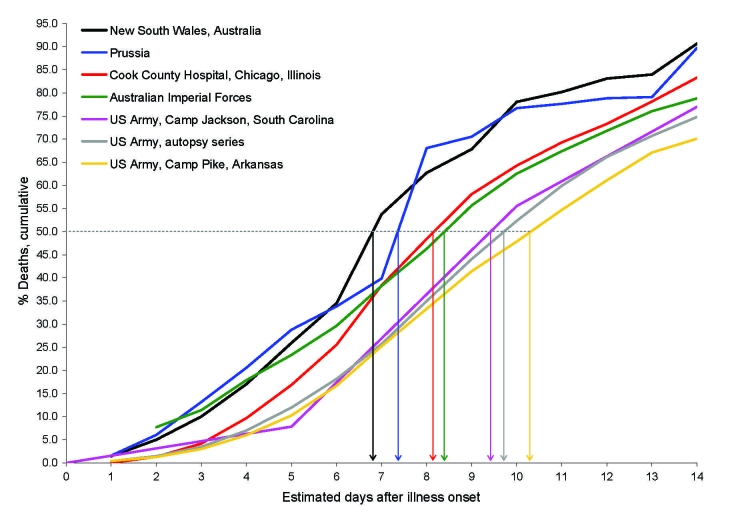
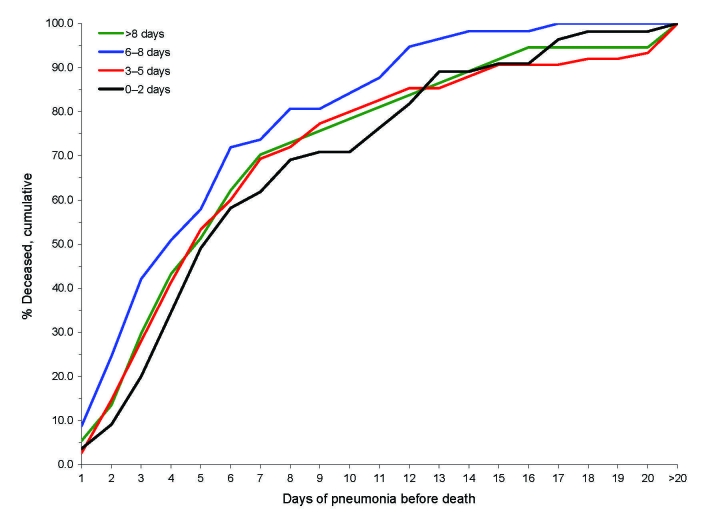
Deaths during the 1918-19 influenza pandemic have been attributed to a hypervirulent influenza strain. Hence, preparations for the next pandemic focus almost exclusively on vaccine prevention and antiviral treatment for infections with a novel influenza strain. However, we hypothesize that infections with the pandemic strain generally caused self-limited (rarely fatal) illnesses that enabled colonizing strains of bacteria to produce highly lethal pneumonias. This sequential-infection hypothesis is consistent with characteristics of the 1918-19 pandemic, contemporaneous expert opinion, and current knowledge regarding the pathophysiologic effects of influenza viruses and their interactions with respiratory bacteria. This hypothesis suggests opportunities for prevention and treatment during the next pandemic (e.g., with bacterial vaccines and antimicrobial drugs), particularly if a pandemic strain-specific vaccine is unavailable or inaccessible to isolated, crowded, or medically underserved populations.
1918 - 19年流感大流行期间的死亡被归因于一种高致病性流感毒株。因此,针对下一次大流行的准备工作几乎完全集中在针对新型流感毒株感染的疫苗预防和抗病毒治疗上。然而,我们推测,大流行毒株的感染通常会引发自限性(极少致命)疾病,这些疾病会使定殖的细菌菌株引发高度致命的肺炎。这种序贯感染假说与1918 - 19年大流行的特征、当时的专家意见以及关于流感病毒的病理生理效应及其与呼吸道细菌相互作用的现有知识相一致。这一假说为下一次大流行期间的预防和治疗提供了机会(例如使用细菌疫苗和抗菌药物),特别是在隔离、拥挤或医疗服务不足的人群无法获得或难以获得大流行毒株特异性疫苗的情况下。