Department of Neurology, University Hospital Düsseldorf, Moorenstrasse 5, 40225, Düsseldorf, Germany.
Behav Brain Funct. 2008 Sep 17;4:41. doi: 10.1186/1744-9081-4-41.
Human emotional expressions serve an important communicatory role allowing the rapid transmission of valence information among individuals. We aimed at exploring the neural networks mediating the recognition of and empathy with human facial expressions of emotion.
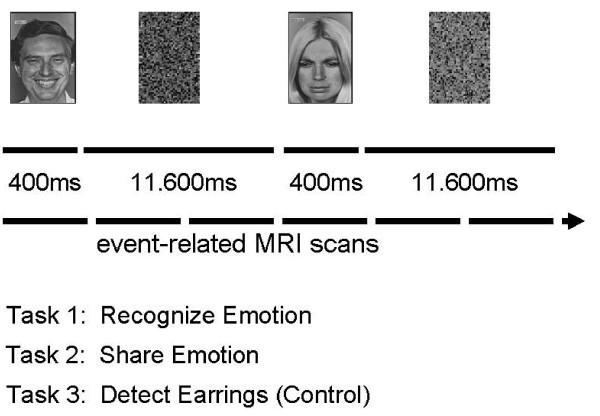
A principal component analysis was applied to event-related functional magnetic imaging (fMRI) data of 14 right-handed healthy volunteers (29 +/- 6 years). During scanning, subjects viewed happy, sad and neutral face expressions in the following conditions: emotion recognition, empathizing with emotion, and a control condition of simple object detection. Functionally relevant principal components (PCs) were identified by planned comparisons at an alpha level of p < 0.001.
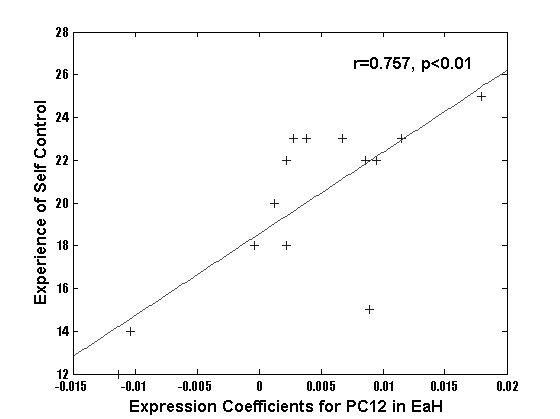
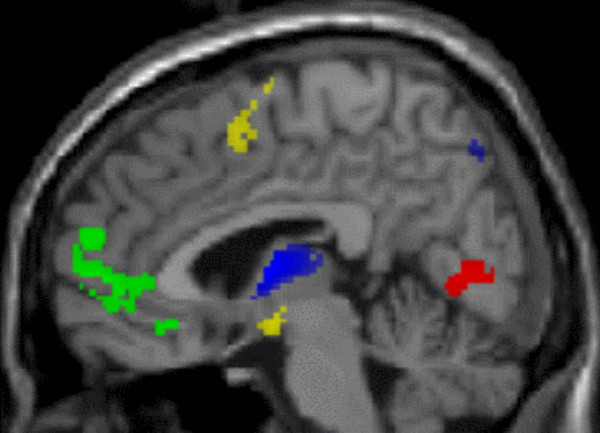
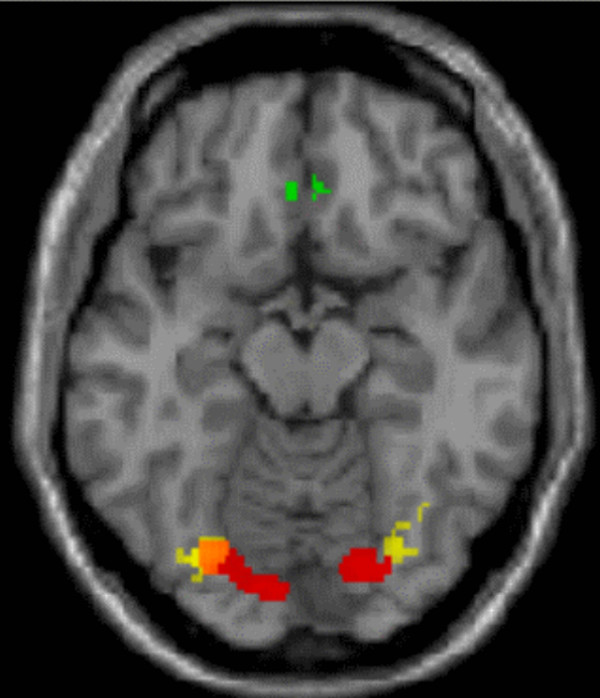
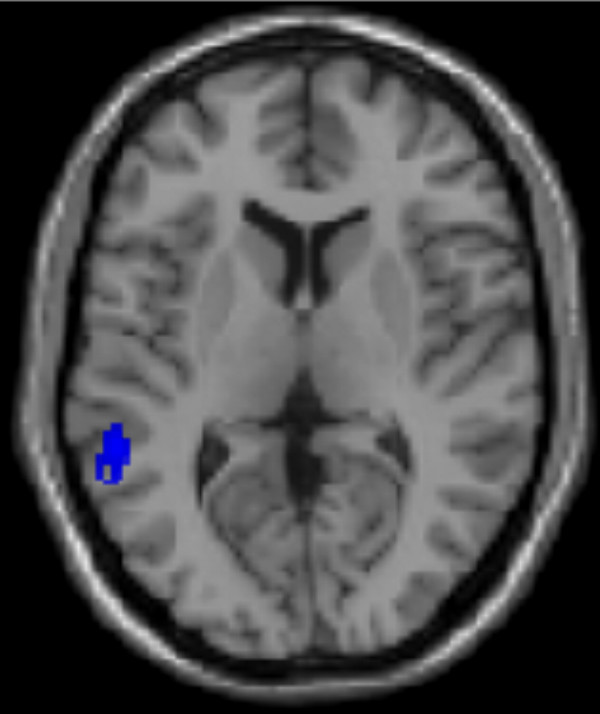
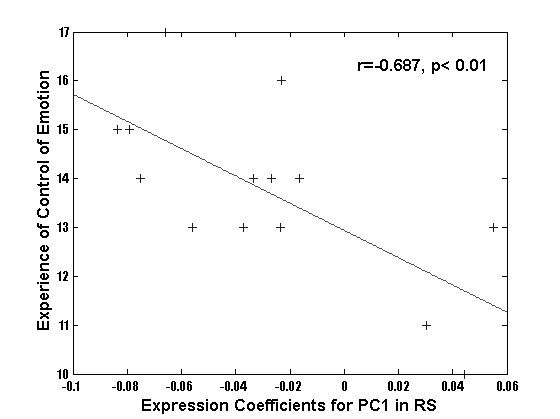
Four PCs revealed significant differences in variance patterns of the conditions, thereby revealing distinct neural networks: mediating facial identification (PC 1), identification of an expressed emotion (PC 2), attention to an expressed emotion (PC 12), and sense of an emotional state (PC 27).
Our findings further the notion that the appraisal of human facial expressions involves multiple neural circuits that process highly differentiated cognitive aspects of emotion.
人类的情感表达起着重要的交际作用,能够在个体之间快速传递情感信息。我们旨在探索识别和共情人类面部表情所涉及的神经回路。
对 14 名右利手健康志愿者(29 ± 6 岁)的事件相关功能磁共振成像(fMRI)数据进行主成分分析。在扫描过程中,受试者观看了快乐、悲伤和中性的面部表情,条件包括:情绪识别、共情情绪和简单物体检测的对照条件。通过计划比较在 p < 0.001 的alpha 水平识别与功能相关的主成分(PC)。
四个 PC 揭示了条件方差模式的显著差异,从而揭示了不同的神经回路:介导面部识别(PC1)、表达情绪的识别(PC2)、对表达情绪的关注(PC12)和情绪状态的感知(PC27)。
我们的研究结果进一步表明,人类面部表情的评估涉及多个神经回路,这些回路处理情感的高度分化认知方面。