Avall-Jääskeläinen Silja, Hynönen Ulla, Ilk Nicola, Pum Dietmar, Sleytr Uwe B, Palva Airi
Department of Basic Veterinary Sciences, Division of Microbiology and Epidemiology, University of Helsinki, Finland.
BMC Microbiol. 2008 Oct 1;8:165. doi: 10.1186/1471-2180-8-165.
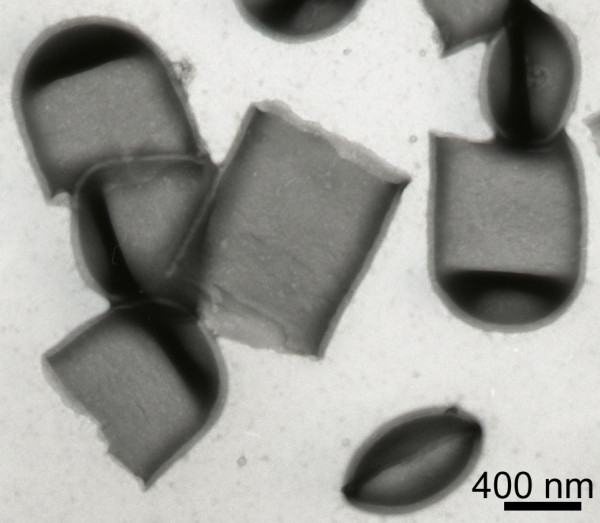
Lactobacillus brevis ATCC 8287 is covered by a regular surface (S-) layer consisting of a 435 amino acid protein SlpA. This protein is completely unrelated in sequence to the previously characterized S-layer proteins of Lactobacillus acidophilus group.
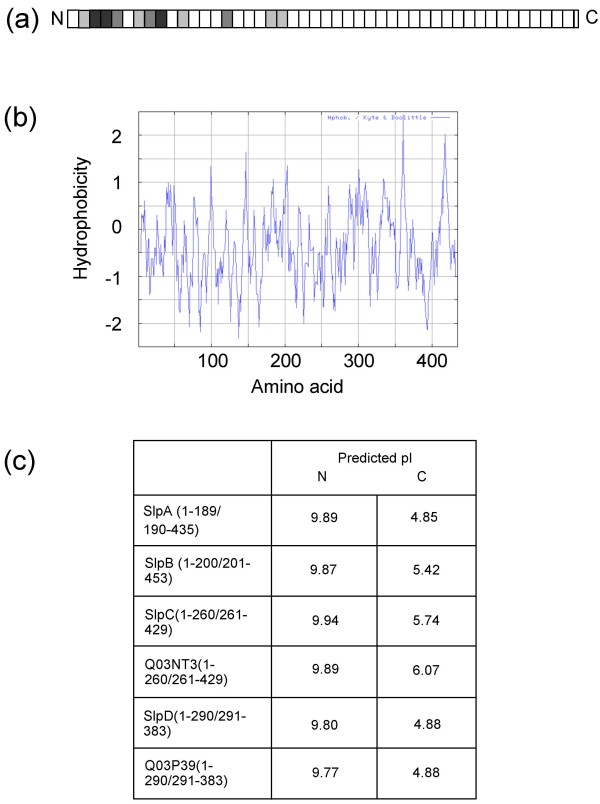
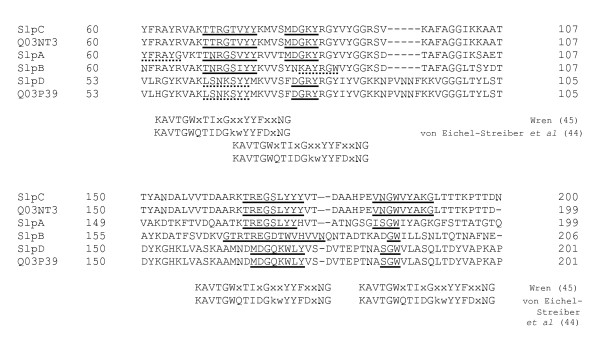
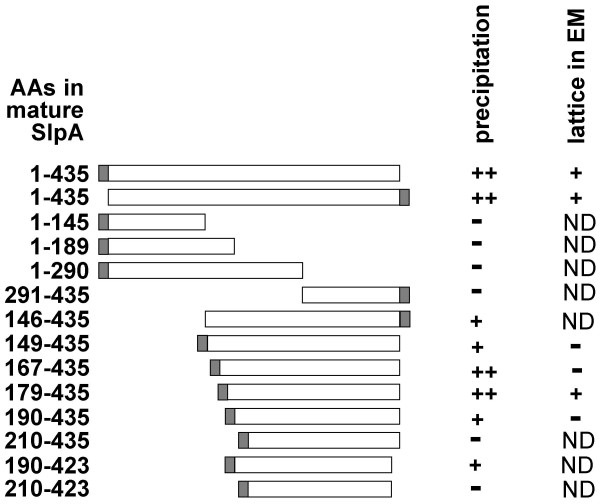
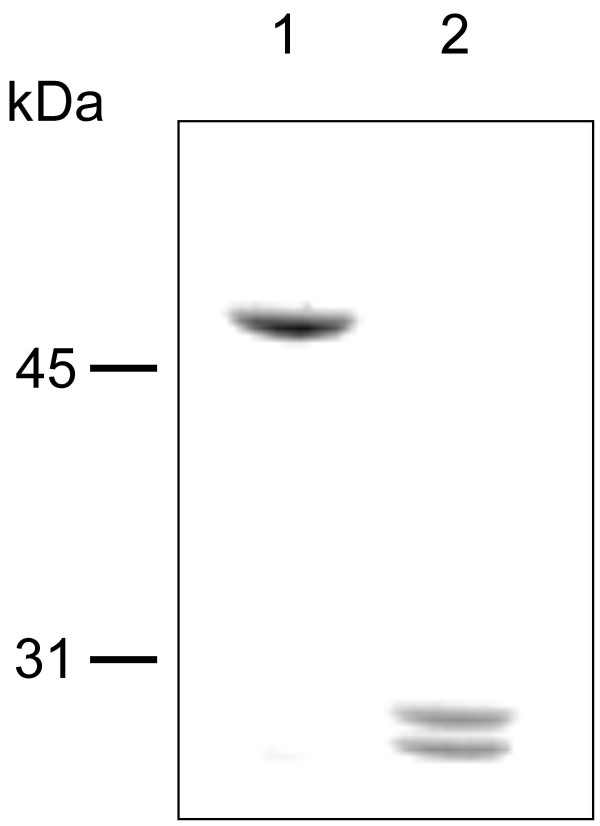
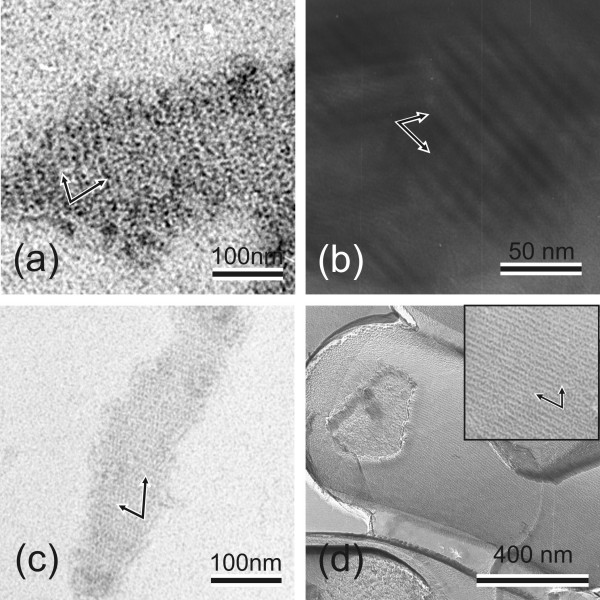
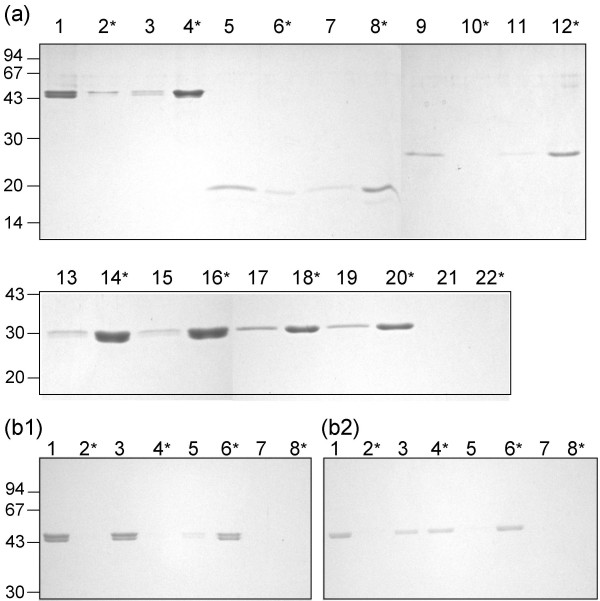
In this work, the self-assembly and cell wall binding domains of SlpA were characterized. The C-terminal self-assembly domain encompassed residues 179-435 of mature SlpA, as demonstrated by the ability of N-terminally truncated recombinant SlpA to form a periodic structure indistinguishable from that formed by full length SlpA. Furthermore, a trypsin degradation analysis indicated the existence of a protease resistant C-terminal domain of 214 amino acids. By producing a set of C-terminally truncated recombinant SlpA (rSlpA) proteins the cell wall binding region was mapped to the N-terminal part of SlpA, where the first 145 amino acids of mature SlpA alone were sufficient for binding to isolated cell wall fragments of L. brevis ATCC 8287. The binding of full length rSlpA to the cell walls was not affected by the treatment of the walls with 5% trichloroacetic acid (TCA), indicating that cell wall structures other than teichoic acids are involved, a feature not shared by the Lactobacillus acidophilus group S-layer proteins characterized so far. Conserved carbohydrate binding motifs were identified in the positively charged N-terminal regions of six Lactobacillus brevis S-layer proteins.
This study identifies SlpA as a two-domain protein in which the order of the functional domains is reversed compared to other characterized Lactobacillus S-layer proteins, and emphasizes the diversity of potential cell wall receptors despite similar carbohydrate binding sequence motifs in Lactobacillus S-layer proteins.
短乳杆菌ATCC 8287被一层由435个氨基酸的蛋白质SlpA组成的规则表面(S-)层所覆盖。该蛋白质的序列与嗜酸乳杆菌属先前鉴定的S层蛋白质完全无关。
在本研究中,对SlpA的自组装和细胞壁结合结构域进行了鉴定。C端自组装结构域包含成熟SlpA的179 - 435位氨基酸,N端截短的重组SlpA能够形成与全长SlpA形成的周期性结构无法区分的结构,从而证明了这一点。此外,胰蛋白酶降解分析表明存在一个由214个氨基酸组成的蛋白酶抗性C端结构域。通过产生一组C端截短的重组SlpA(rSlpA)蛋白,将细胞壁结合区域定位到SlpA的N端部分,其中成熟SlpA的前145个氨基酸单独就足以与短乳杆菌ATCC 8287的分离细胞壁片段结合。全长rSlpA与细胞壁的结合不受用5%三氯乙酸(TCA)处理细胞壁的影响,这表明除了磷壁酸之外的其他细胞壁结构也参与其中,这是迄今为止嗜酸乳杆菌属S层蛋白质所不具备的特征。在六种短乳杆菌S层蛋白质的带正电荷的N端区域中鉴定出了保守的碳水化合物结合基序。
本研究将SlpA鉴定为一种双结构域蛋白,其功能结构域的顺序与其他已鉴定的乳杆菌S层蛋白质相比是相反的,并强调了尽管乳杆菌S层蛋白质中存在相似的碳水化合物结合序列基序,但潜在细胞壁受体的多样性。