Martínez-Augustin Olga, Merlos Manel, Zarzuelo Antonio, Suárez María Dolores, de Medina Fermín Sánchez
Department of Biochemistry and Molecular Biology II, CIBEREHD, School of Pharmacy, University of Granada, Granada, Spain.
BMC Genomics. 2008 Oct 17;9:490. doi: 10.1186/1471-2164-9-490.
Trinitrobenzenesulphonic acid (TNBS) induced rat colitis is one of the most widely used models of inflammatory bowel disease (IBD), a condition whose aetiology and pathophysiology are incompletely understood. We have characterized this model at the genomic level using a longitudinal approach. Six control rats were compared with colitic animals at 2, 5, 7 and 14 days after TNBS administration (n = 3). The Affymetrix Rat Expression Array 230 2.0 system was used.
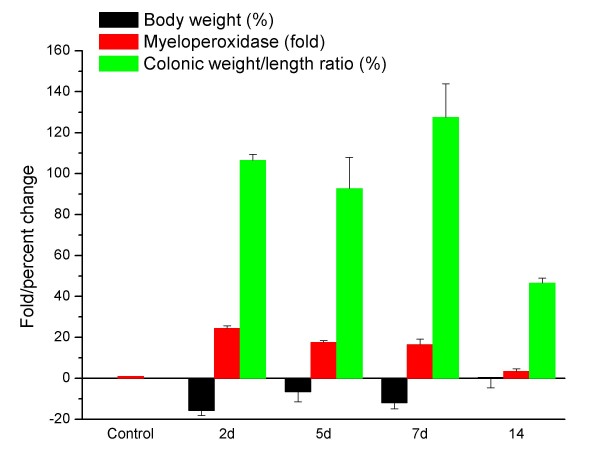
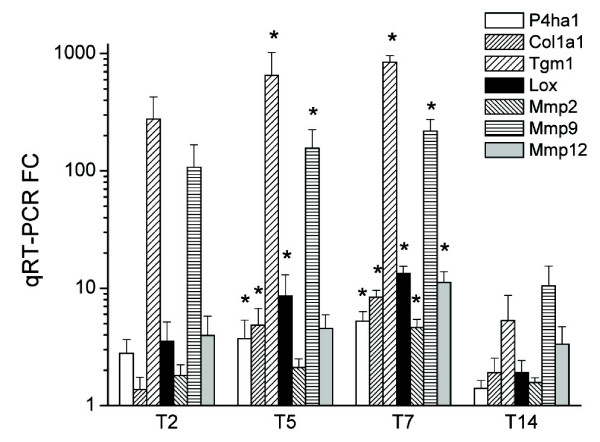
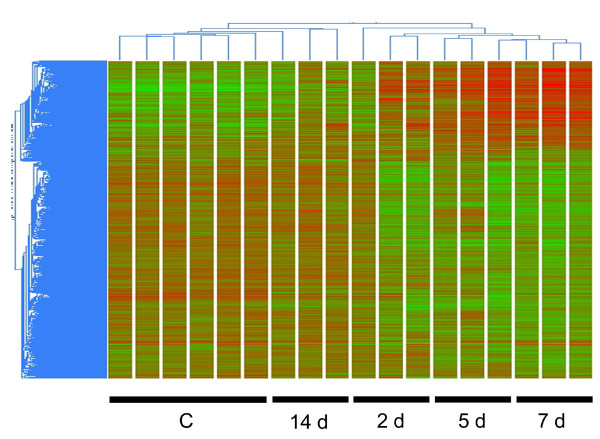
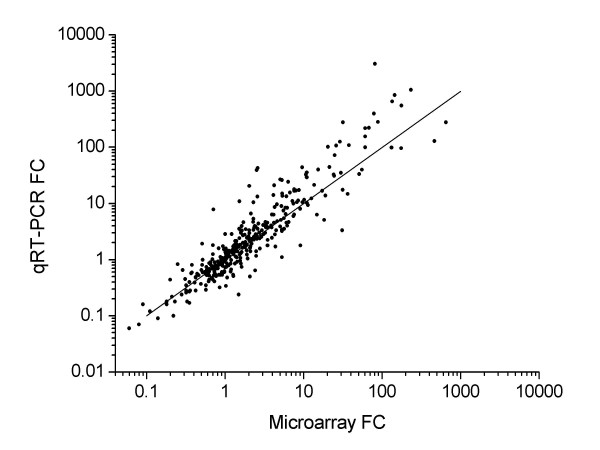
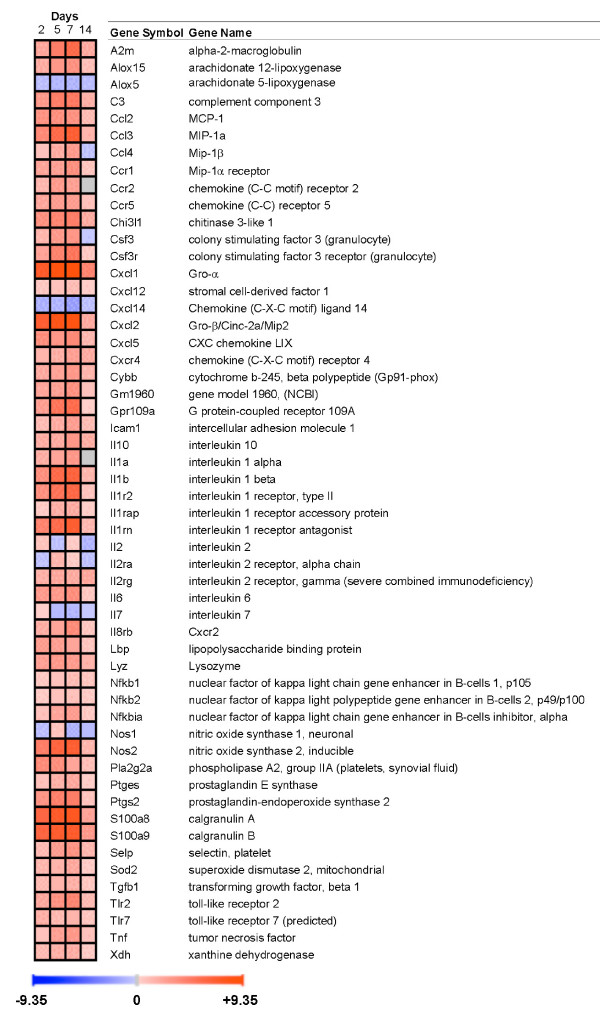
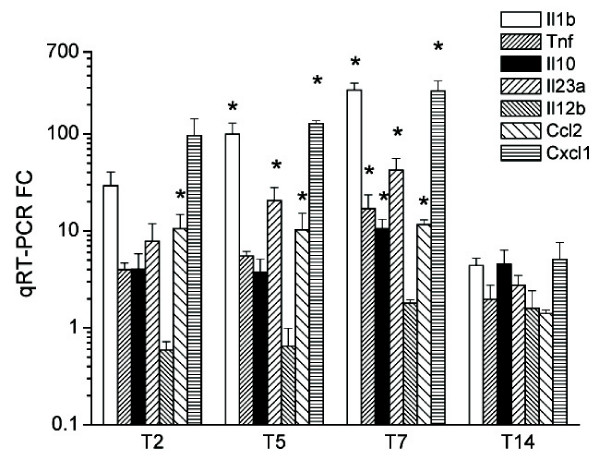
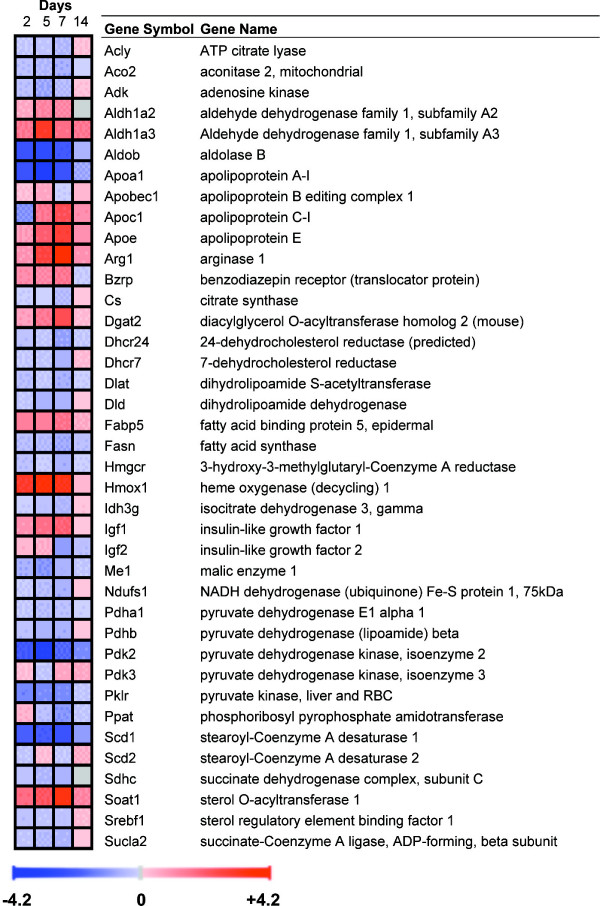
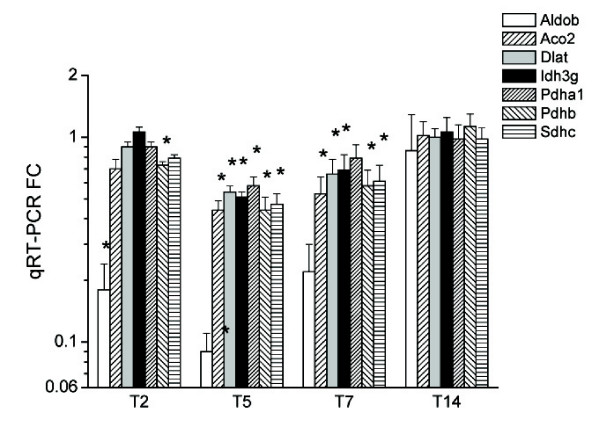
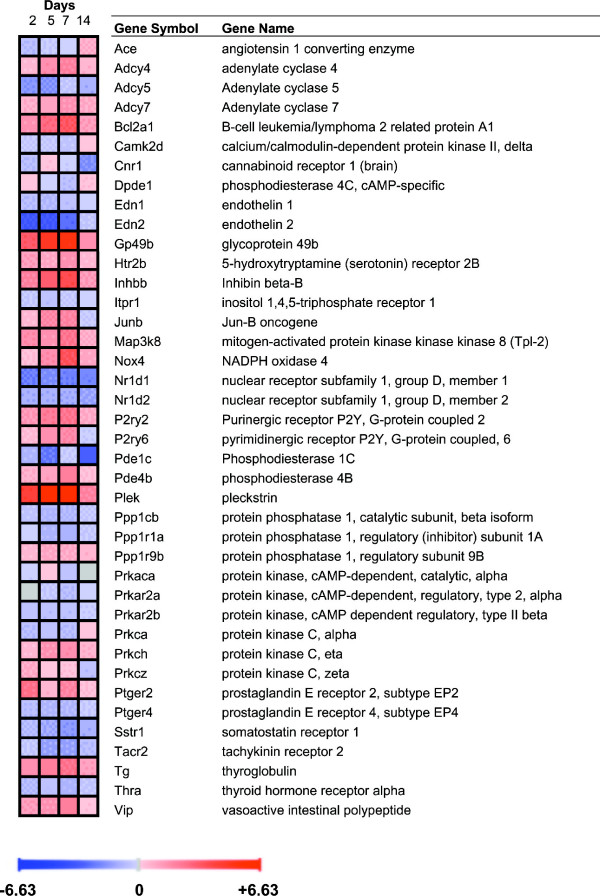
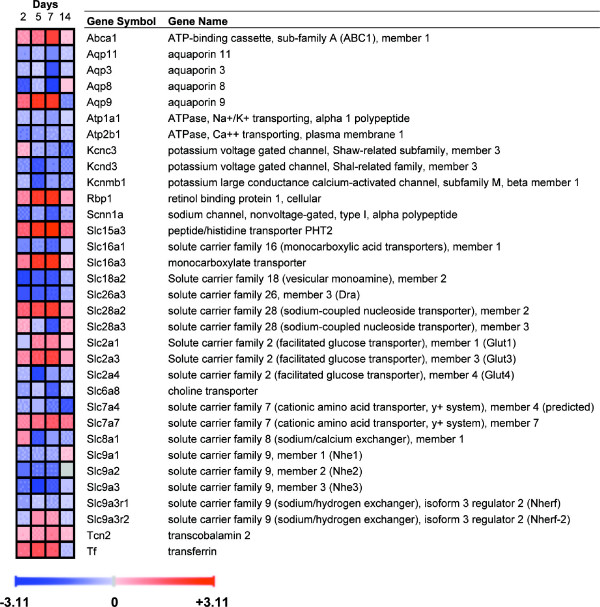
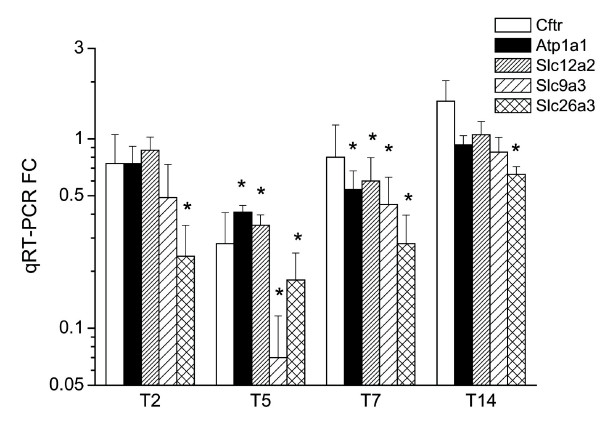
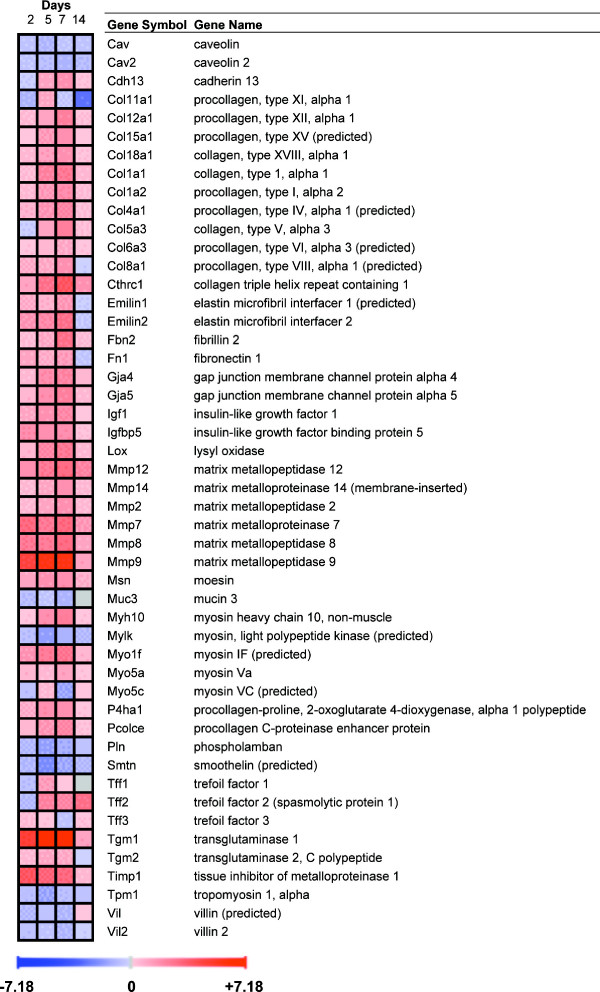
TNBS-induced colitis had a profound impact on the gene expression profile, which was maximal 5 and 7 days post-induction. Most genes were affected at more than one time point. They were related to a number of biological functions, not only inflammation/immunity but also transport, metabolism, signal transduction, tissue remodeling and angiogenesis. Gene changes generally correlated with the severity of colitis. The results were successfully validated in a subset of genes by real-time PCR.
The TNBS model of rat colitis has been described in detail at the transcriptome level. The changes observed correlate with pathophysiological disturbances such as tissue remodelling and alterations in ion transport, which are characteristic of both this model and IBD.
三硝基苯磺酸(TNBS)诱导的大鼠结肠炎是炎症性肠病(IBD)最常用的模型之一,IBD的病因和病理生理学尚未完全明确。我们采用纵向研究方法在基因组水平对该模型进行了特征分析。将6只对照大鼠与TNBS给药后第2、5、7和14天的结肠炎动物进行比较(每组n = 3)。使用了Affymetrix大鼠表达阵列230 2.0系统。
TNBS诱导的结肠炎对基因表达谱有深远影响,在诱导后第5天和第7天影响最大。大多数基因在多个时间点受到影响。它们与多种生物学功能相关,不仅包括炎症/免疫,还包括转运、代谢、信号转导、组织重塑和血管生成。基因变化通常与结肠炎的严重程度相关。通过实时PCR在一部分基因中成功验证了结果。
已在转录组水平详细描述了大鼠结肠炎的TNBS模型。观察到的变化与病理生理紊乱相关,如组织重塑和离子转运改变,这是该模型和IBD的特征。