Shrier Ian, Platt Robert W
Centre for Clinical Epidemiology and Community Studies, SMBD-Jewish General Hospital, McGill University, Montreal, Canada.
BMC Med Res Methodol. 2008 Oct 30;8:70. doi: 10.1186/1471-2288-8-70.
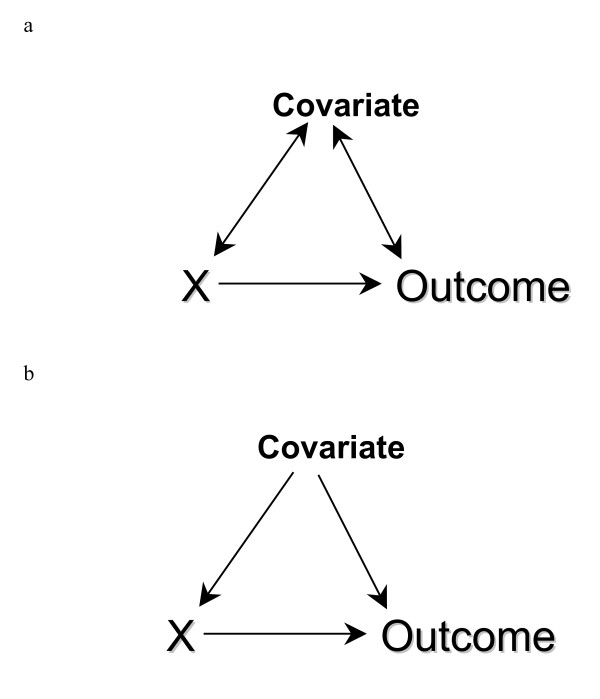
The objective of most biomedical research is to determine an unbiased estimate of effect for an exposure on an outcome, i.e. to make causal inferences about the exposure. Recent developments in epidemiology have shown that traditional methods of identifying confounding and adjusting for confounding may be inadequate.
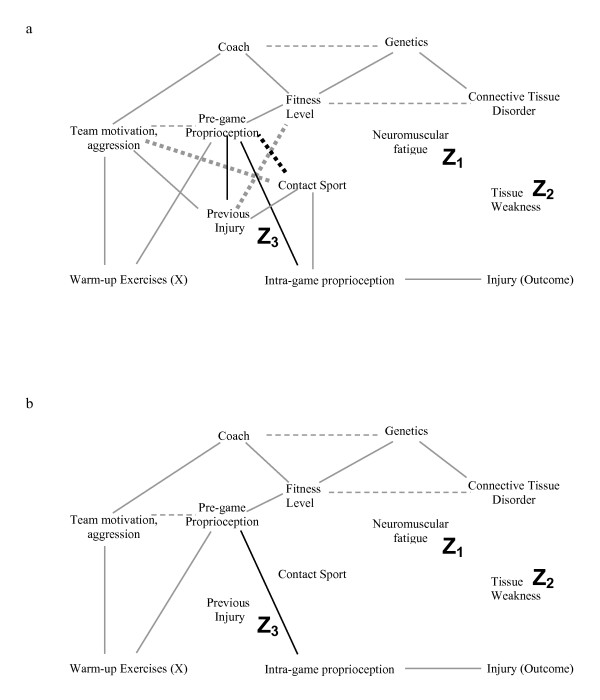
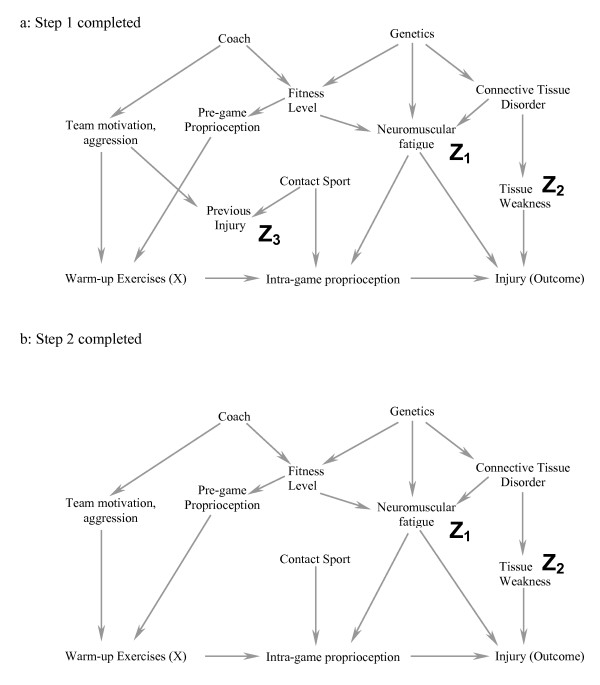
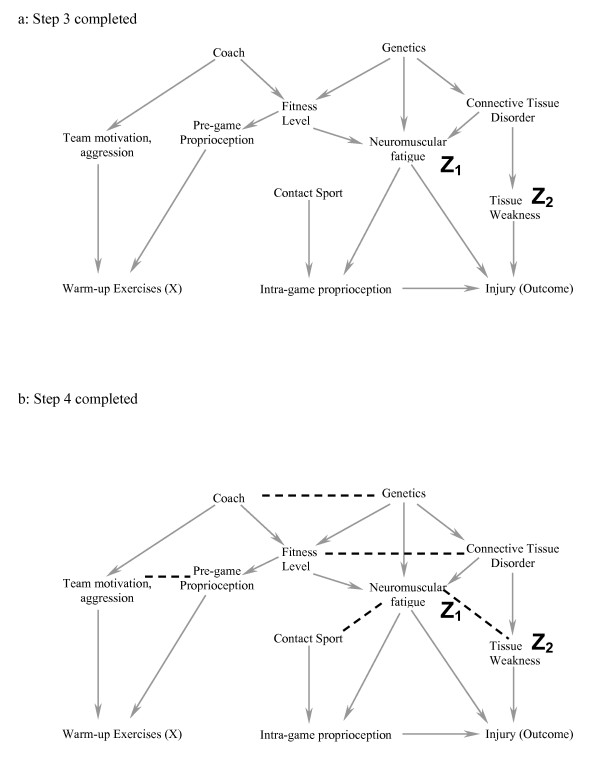
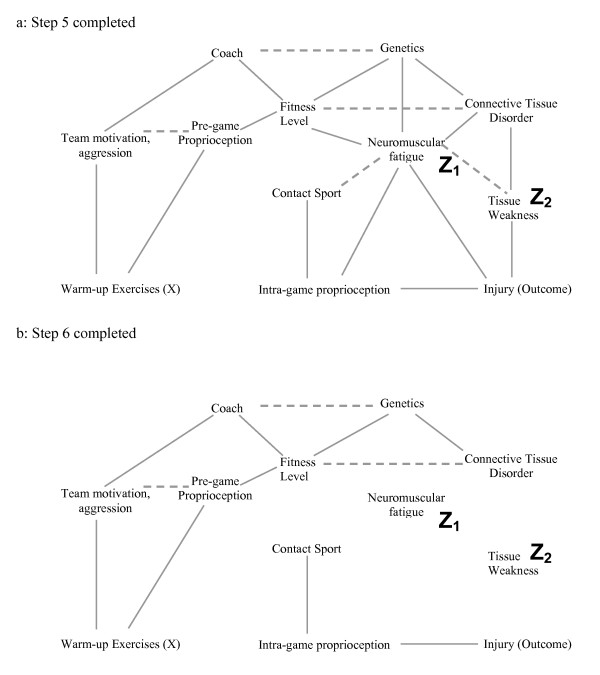
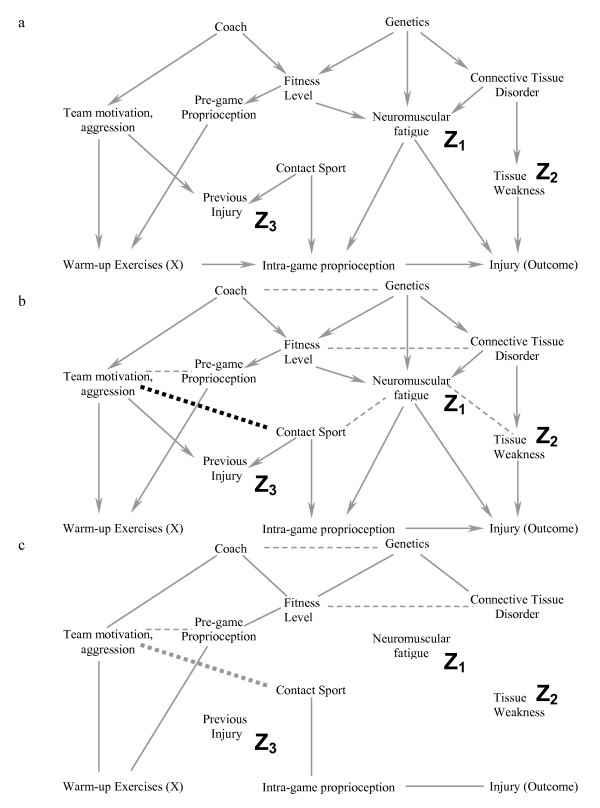
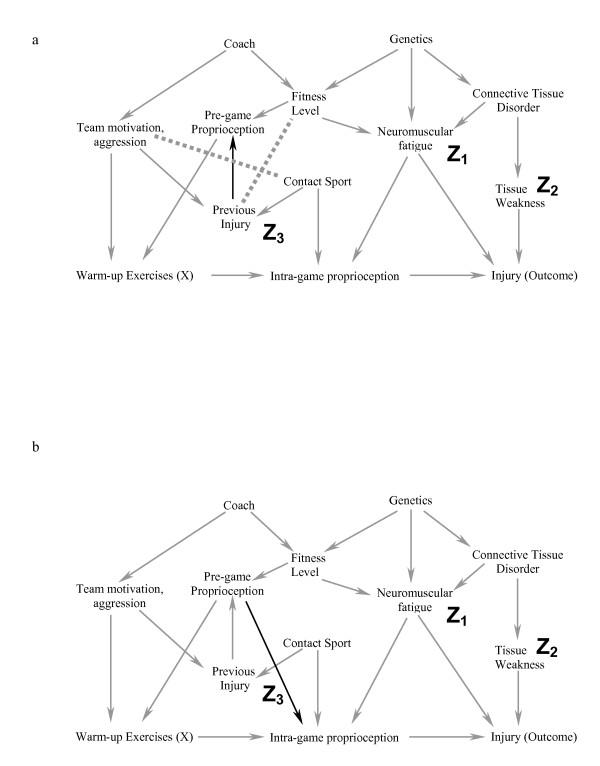
The traditional methods of adjusting for "potential confounders" may introduce conditional associations and bias rather than minimize it. Although previous published articles have discussed the role of the causal directed acyclic graph approach (DAGs) with respect to confounding, many clinical problems require complicated DAGs and therefore investigators may continue to use traditional practices because they do not have the tools necessary to properly use the DAG approach. The purpose of this manuscript is to demonstrate a simple 6-step approach to the use of DAGs, and also to explain why the method works from a conceptual point of view.
Using the simple 6-step DAG approach to confounding and selection bias discussed is likely to reduce the degree of bias for the effect estimate in the chosen statistical model.
大多数生物医学研究的目标是确定暴露对结局影响的无偏估计,即对暴露进行因果推断。流行病学的最新进展表明,传统的识别混杂因素和调整混杂的方法可能并不充分。
传统的调整“潜在混杂因素”的方法可能会引入条件关联和偏差,而不是将其最小化。尽管之前发表的文章已经讨论了因果有向无环图方法(DAGs)在混杂方面的作用,但许多临床问题需要复杂的DAGs,因此研究人员可能会继续使用传统方法,因为他们没有正确使用DAG方法所需的工具。本文的目的是展示一种使用DAGs的简单六步方法,并从概念角度解释该方法为何有效。
使用所讨论的简单六步DAG方法来处理混杂和选择偏倚,可能会降低所选统计模型中效应估计的偏差程度。