Yoder Karmen K, Morris Evan D, Constantinescu Cristian C, Cheng Tee-Ean, Normandin Marc D, O'Connor Sean J, Kareken David A
Department of Radiology, Indiana University School of Medicine, Indianapolis, IN, USA.
Alcohol Clin Exp Res. 2009 Jan;33(1):139-49. doi: 10.1111/j.1530-0277.2008.00821.x. Epub 2008 Oct 31.
The mesolimbic dopamine (DA) system is implicated in the development and maintenance of alcohol drinking; however, the exact mechanisms by which DA regulates human alcohol consumption are unclear. This study assessed the distinct effects of alcohol-related cues and alcohol administration on striatal DA release in healthy humans.
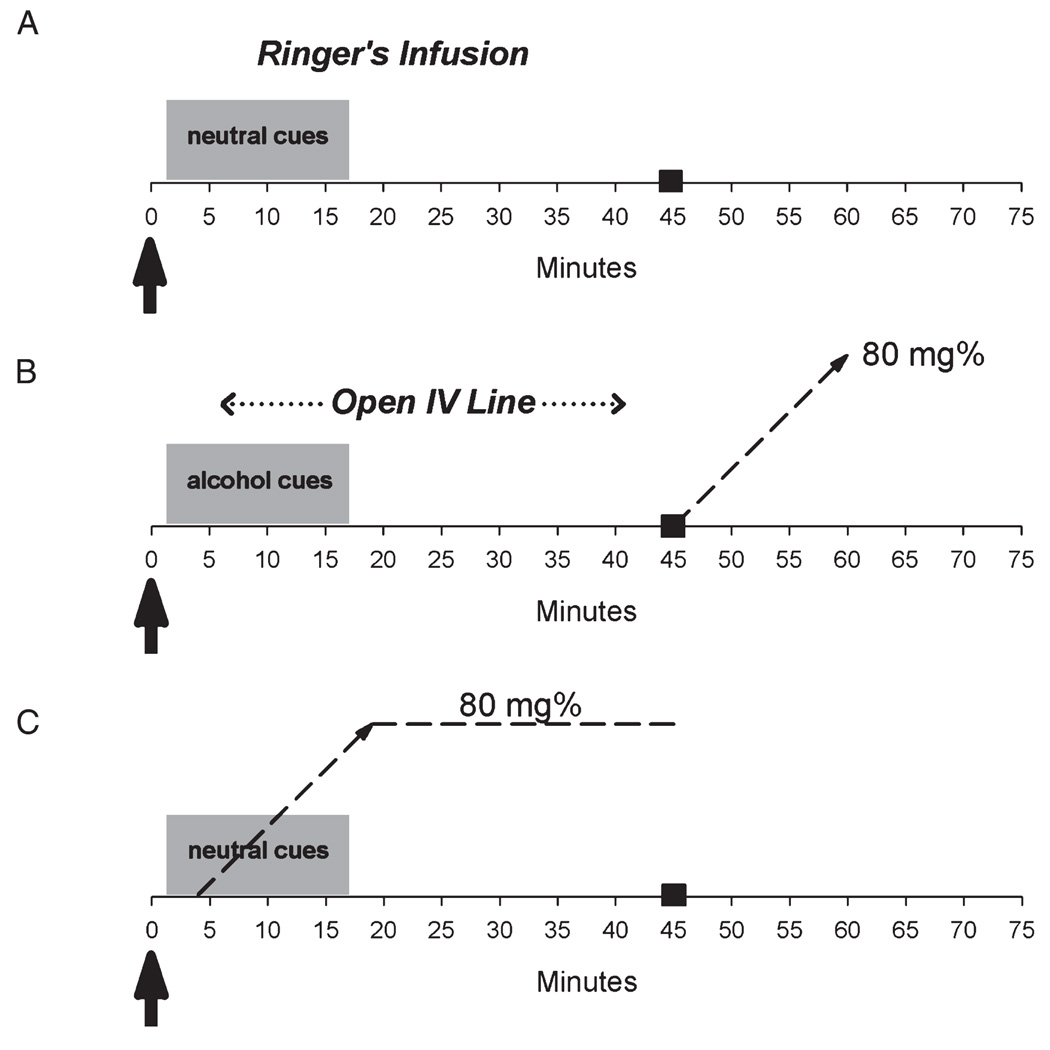
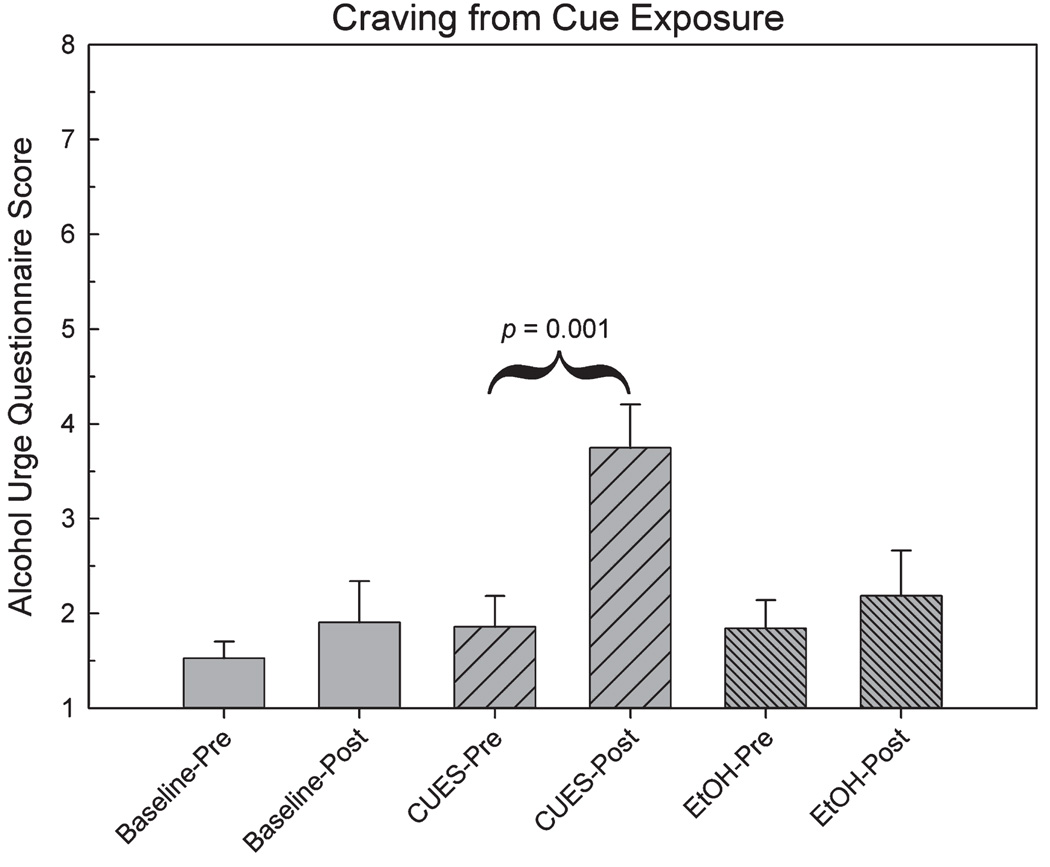
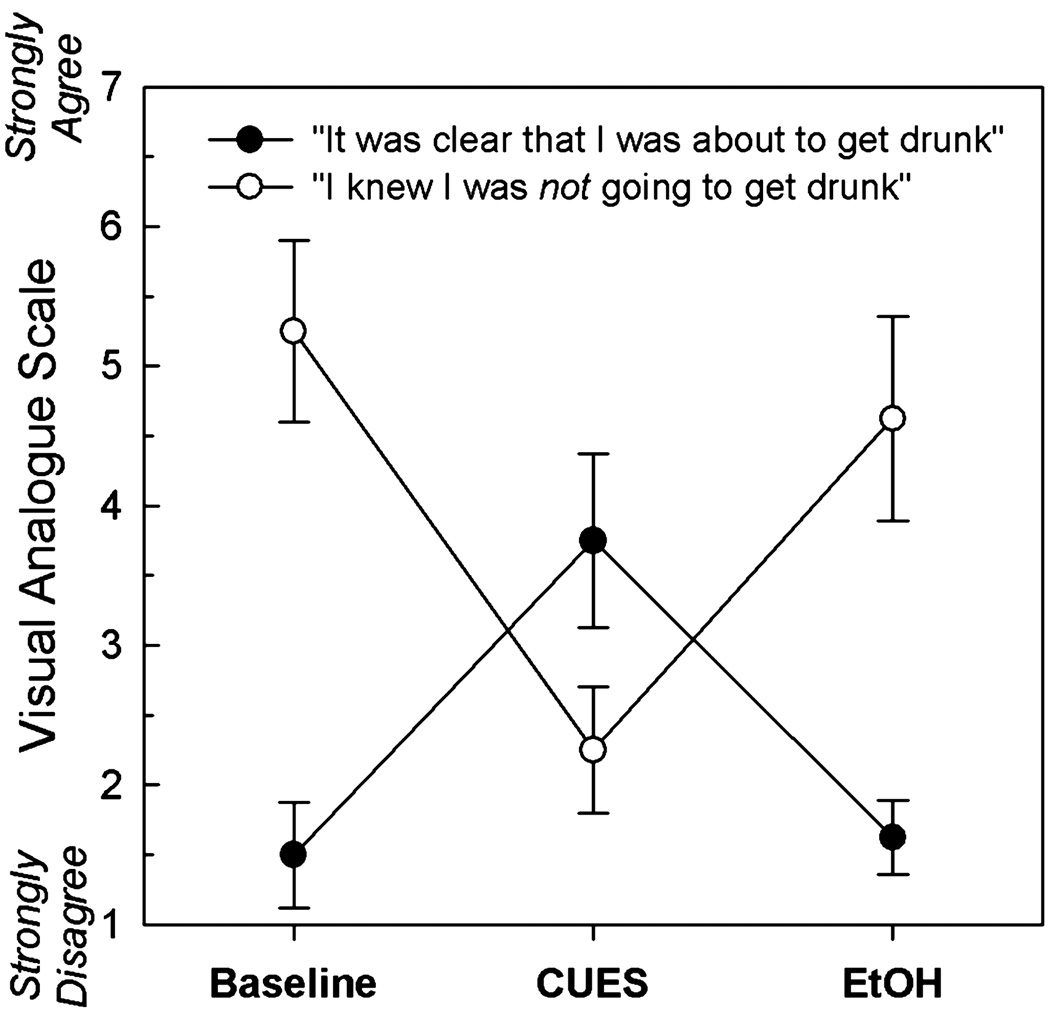
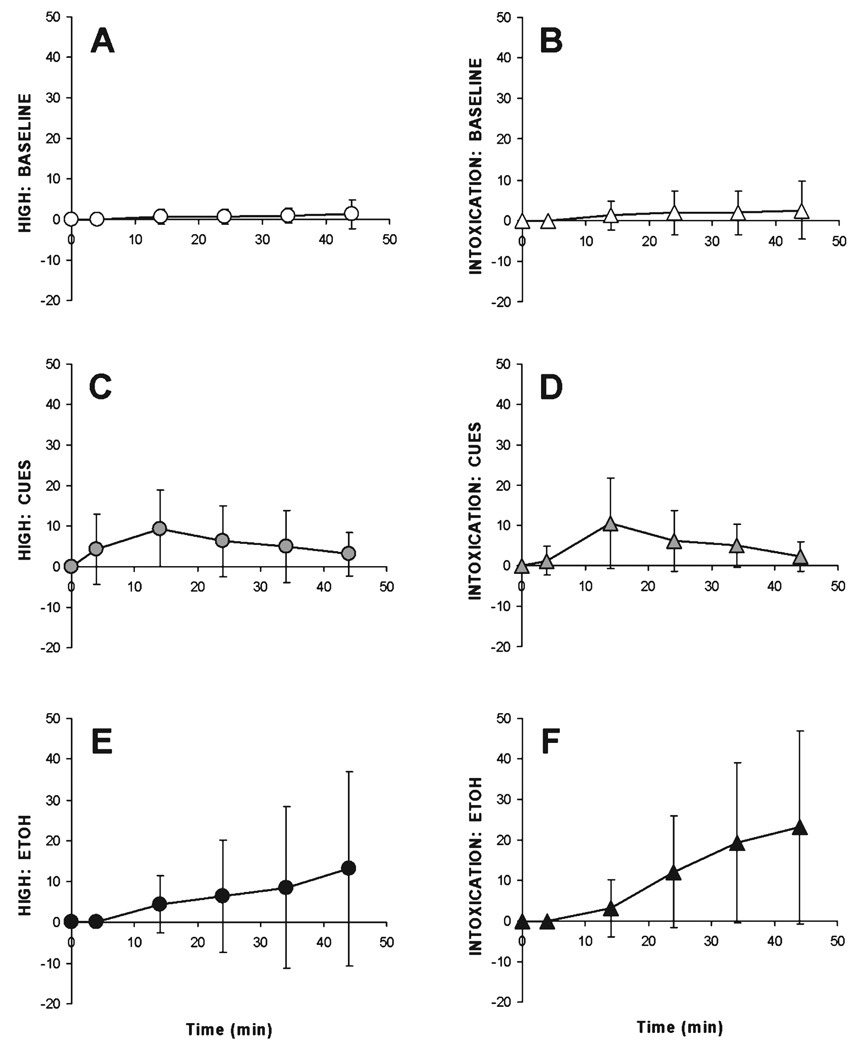
Subjects underwent 3 PET scans with [(11)C]raclopride (RAC). Subjects were informed that they would receive either an IV Ringer's lactate infusion or an alcohol (EtOH) infusion during scanning, with naturalistic visual and olfactory cues indicating which infusion would occur. Scans were acquired in the following sequence: (1) Baseline Scan: Neutral cues predicting a Ringer's lactate infusion, (2) CUES Scan: Alcohol-related cues predicting alcohol infusion in a Ringer's lactate solution, but with alcohol infusion after scanning to isolate the effects of cues, and (3) EtOH Scan: Neutral cues predicting Ringer's, but with alcohol infusion during scanning (to isolate the effects of alcohol without confounding expectation or craving).
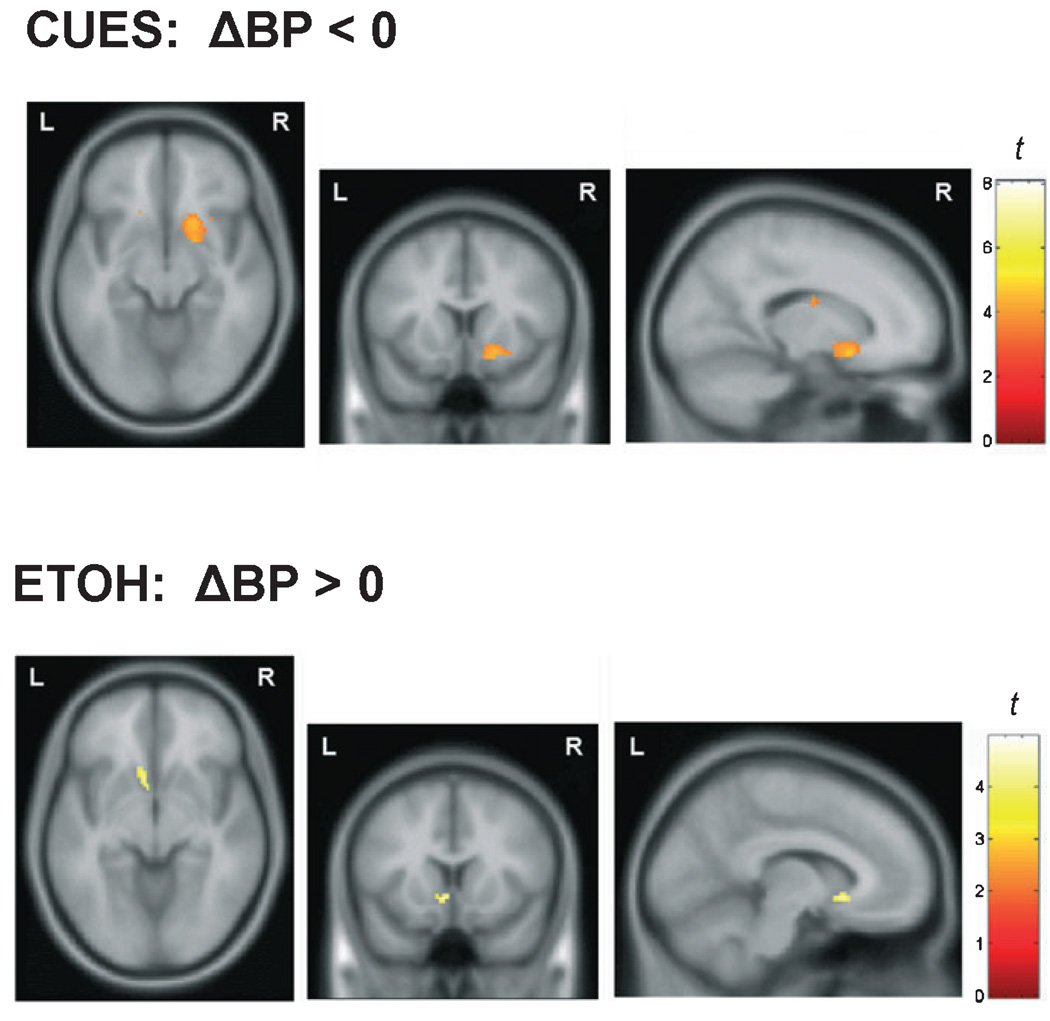
Relative to baseline, striatal DA concentration decreased during CUES, but increased during EtOH.
While the results appear inconsistent with some animal experiments showing dopaminergic responses to alcohol's conditioned cues, they can be understood in the context of the hypothesized role of the striatum in reward prediction error, and of animal studies showing that midbrain dopamine neurons decrease and increase firing rates during negative and positive prediction errors, respectively. We believe that our data are the first in humans to demonstrate such changes in striatal DA during reward prediction error.
中脑边缘多巴胺(DA)系统与饮酒行为的发展和维持有关;然而,DA调节人类酒精消费的确切机制尚不清楚。本研究评估了与酒精相关的线索和酒精给药对健康人类纹状体DA释放的不同影响。
受试者接受了3次使用[(11)C]雷氯必利(RAC)的PET扫描。受试者被告知在扫描过程中他们将接受静脉输注乳酸林格液或酒精(EtOH),同时通过自然的视觉和嗅觉线索表明会进行哪种输注。扫描按以下顺序进行:(1)基线扫描:预测乳酸林格液输注的中性线索;(2)线索扫描:预测在乳酸林格液中输注酒精的与酒精相关的线索,但在扫描后进行酒精输注以分离线索的影响;(3)乙醇扫描:预测乳酸林格液输注的中性线索,但在扫描期间进行酒精输注(以分离酒精的影响而不混淆预期或渴望)。
与基线相比,线索扫描期间纹状体DA浓度降低,但乙醇扫描期间升高。
虽然结果似乎与一些动物实验不一致,这些实验显示多巴胺能对酒精条件线索的反应,但可以在纹状体在奖励预测误差中的假设作用以及动物研究的背景下理解,这些研究表明中脑多巴胺神经元在负性和正性预测误差期间分别降低和增加放电率。我们相信我们的数据是首次在人类中证明奖励预测误差期间纹状体DA的这种变化。