Sershon Valerie C, Santarsiero Bernard D, Mesecar Andrew D
Department of Medicinal Chemistry and Pharmacognosy & the Center for Pharmaceutical Biotechnology, University of Illinois at Chicago, Chicago, IL 60607, USA.
J Mol Biol. 2009 Jan 23;385(3):867-88. doi: 10.1016/j.jmb.2008.10.037. Epub 2008 Oct 19.
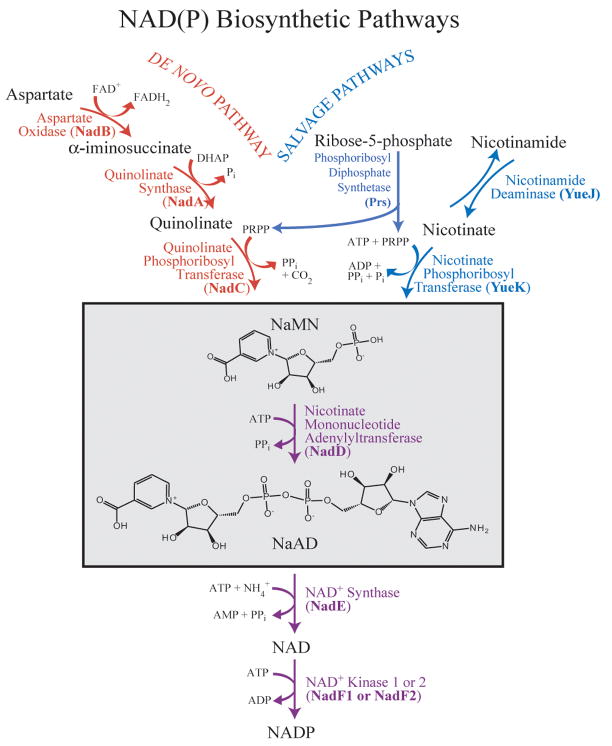
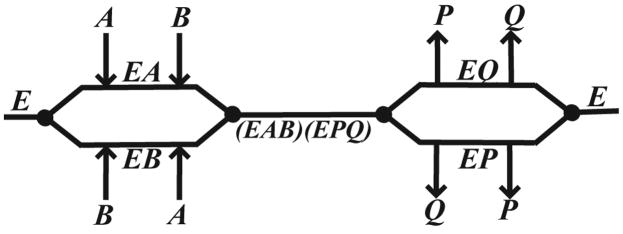
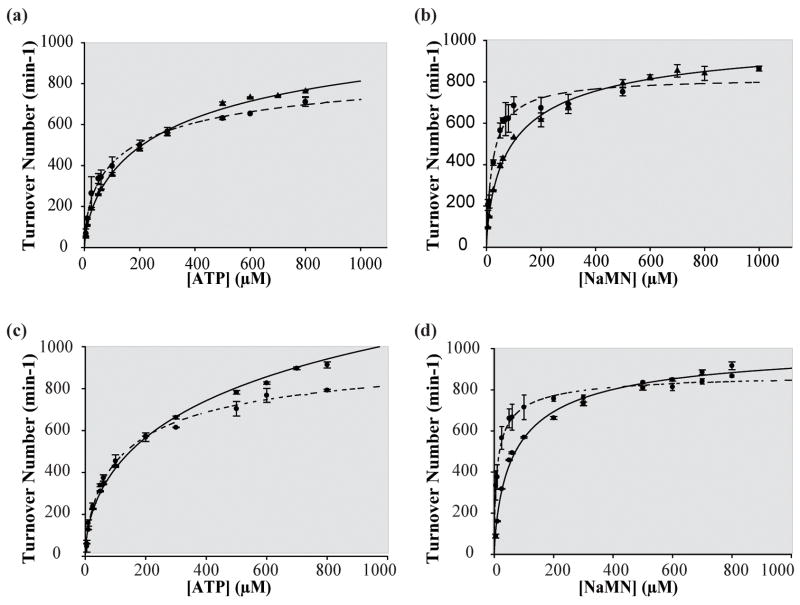
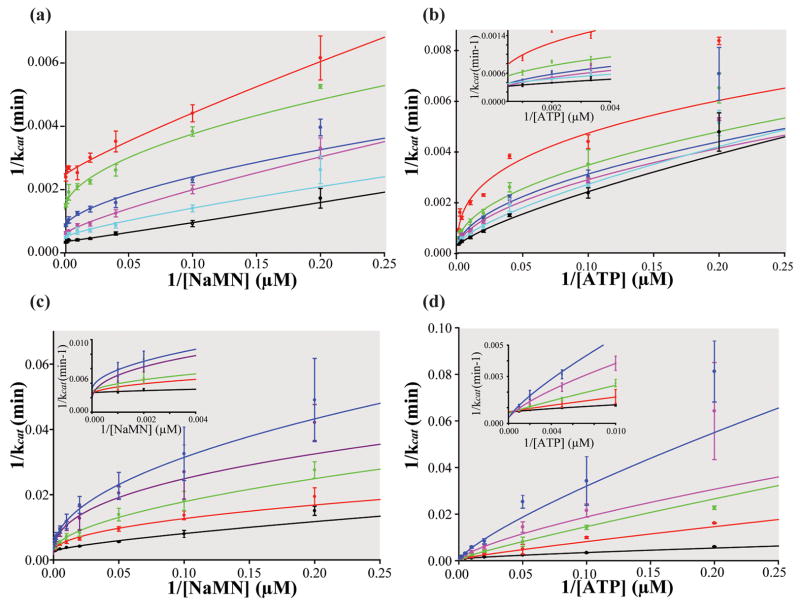
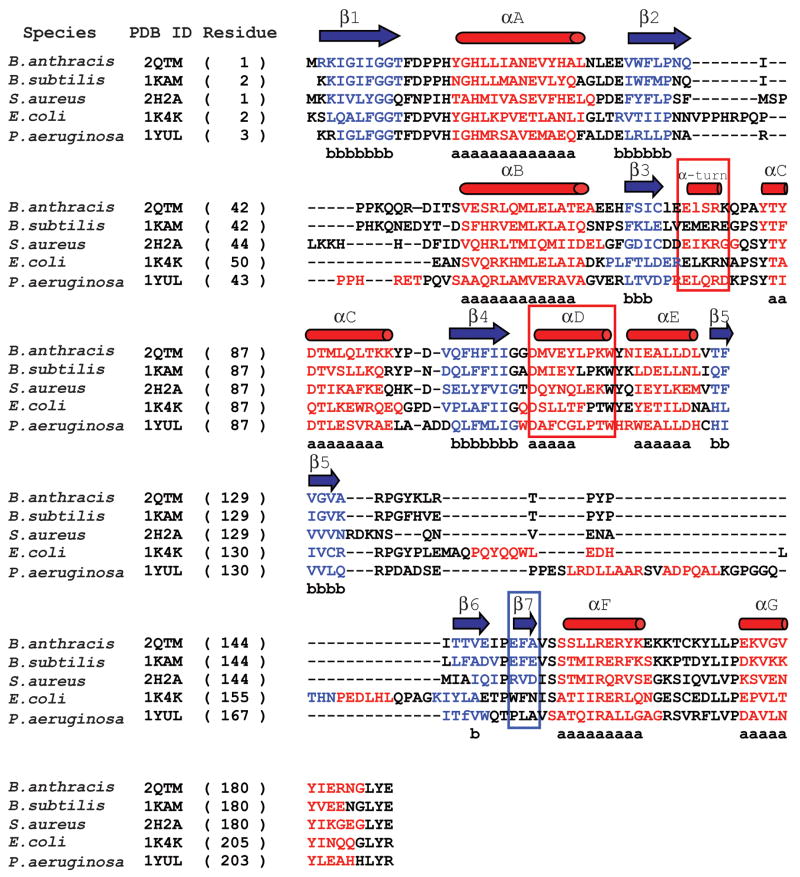
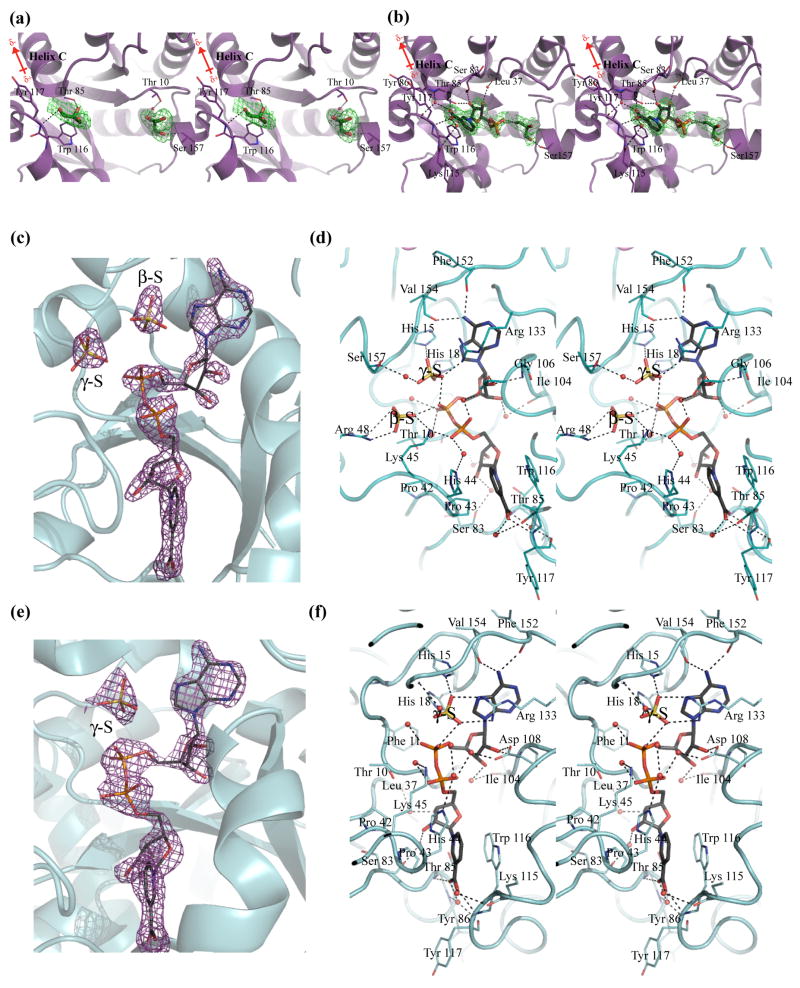
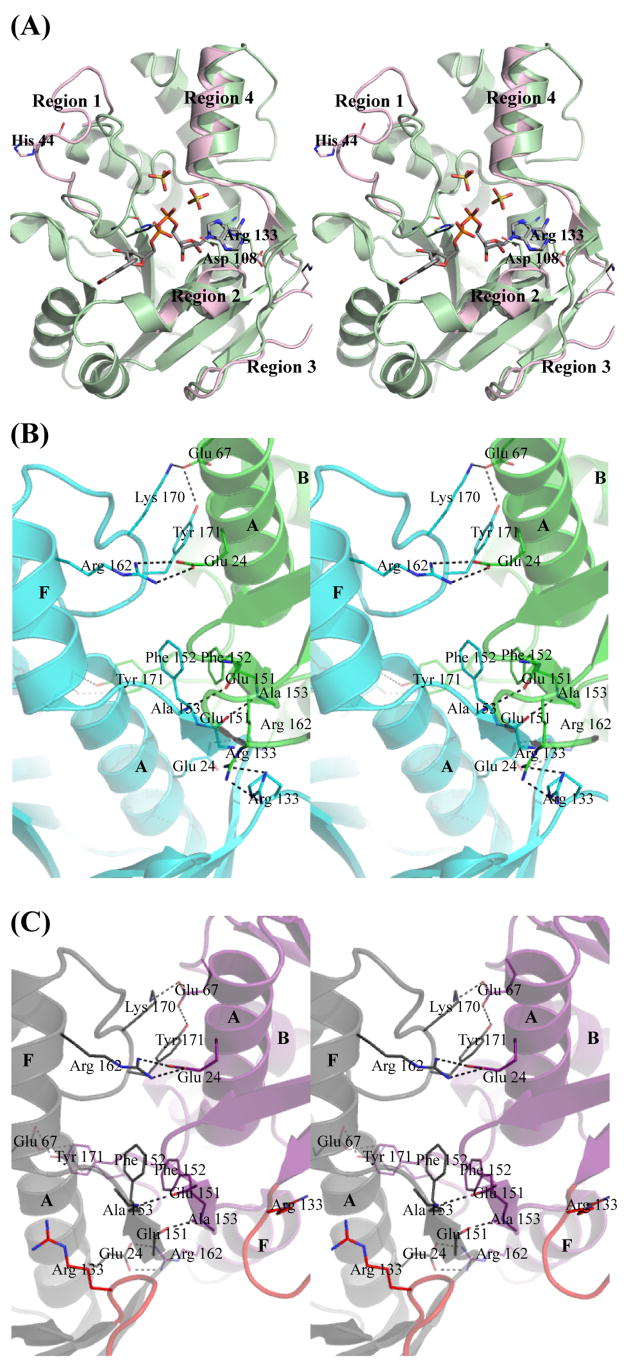
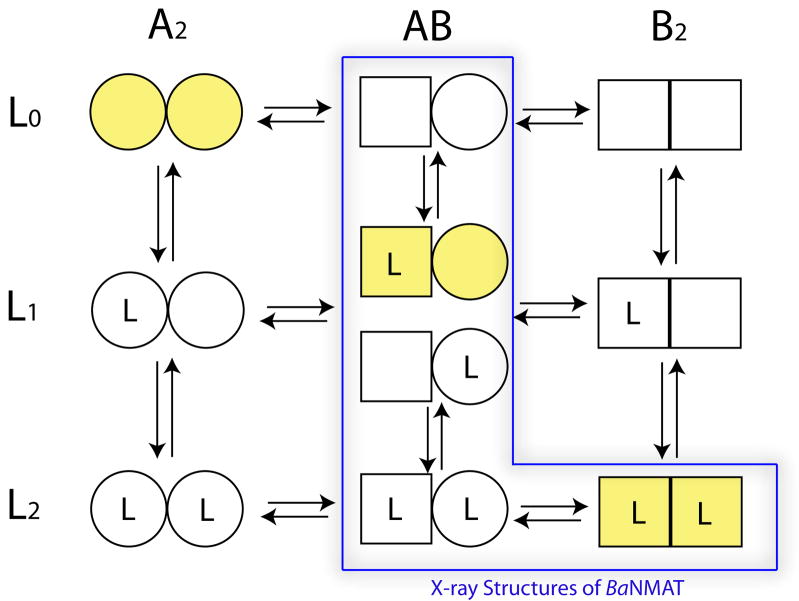
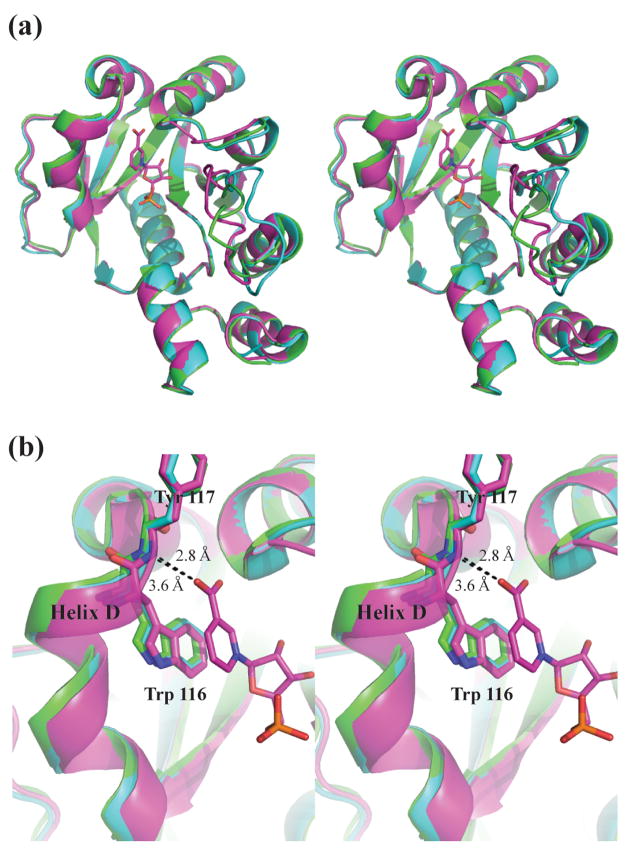
Biosynthesis of NAD(P) in bacteria occurs either de novo or through one of the salvage pathways that converge at the point where the reaction of nicotinate mononucleotide (NaMN) with ATP is coupled to the formation of nicotinate adenine dinucleotide (NaAD) and inorganic pyrophosphate. This reaction is catalyzed by nicotinate mononucleotide adenylyltransferase (NMAT), which is essential for bacterial growth, making it an attractive drug target for the development of new antibiotics. Steady-state kinetic and direct binding studies on NMAT from Bacillus anthracis suggest a random sequential Bi-Bi kinetic mechanism. Interestingly, the interactions of NaMN and ATP with NMAT were observed to exhibit negative cooperativity, i.e. Hill coefficients <1.0. Negative cooperativity in binding is supported by the results of X-ray crystallographic studies. X-ray structures of the B. anthracis NMAT apoenzyme, and the NaMN- and NaAD-bound complexes were determined to resolutions of 2.50 A, 2.60 A and 1.75 A, respectively. The X-ray structure of the NMAT-NaMN complex revealed only one NaMN molecule bound in the biological dimer, supporting negative cooperativity in substrate binding. The kinetic, direct-binding, and X-ray structural studies support a model in which the binding affinity of substrates to the first monomer of NMAT is stronger than that to the second, and analysis of the three X-ray structures reveals significant conformational changes of NMAT along the enzymatic reaction coordinate. The negative cooperativity observed in B. anthracis NMAT substrate binding is a unique property that has not been observed in other prokaryotic NMAT enzymes. We propose that regulation of the NAD(P) biosynthetic pathway may occur, in part, at the reaction catalyzed by NMAT.
细菌中NAD(P)的生物合成要么从头开始,要么通过其中一条补救途径进行,这些途径在烟酰胺单核苷酸(NaMN)与ATP的反应与烟酰胺腺嘌呤二核苷酸(NaAD)和无机焦磷酸形成相偶联的点处汇聚。该反应由烟酰胺单核苷酸腺苷酰转移酶(NMAT)催化,NMAT对细菌生长至关重要,这使其成为开发新型抗生素的有吸引力的药物靶点。对炭疽芽孢杆菌NMAT的稳态动力学和直接结合研究表明其具有随机顺序的双底物双产物动力学机制。有趣的是,观察到NaMN和ATP与NMAT的相互作用表现出负协同性,即希尔系数<1.0。X射线晶体学研究结果支持结合中的负协同性。分别确定了炭疽芽孢杆菌NMAT脱辅酶、NaMN结合复合物和NaAD结合复合物的X射线结构,分辨率分别为2.50 Å、2.60 Å和1.75 Å。NMAT-NaMN复合物的X射线结构显示在生物学二聚体中仅结合有一个NaMN分子,支持底物结合中的负协同性。动力学、直接结合和X射线结构研究支持一个模型,即底物与NMAT第一个单体的结合亲和力强于与第二个单体的结合亲和力,并且对三种X射线结构的分析揭示了NMAT沿酶促反应坐标的显著构象变化。在炭疽芽孢杆菌NMAT底物结合中观察到的负协同性是一种独特的特性,在其他原核NMAT酶中未观察到。我们提出,NAD(P)生物合成途径的调节可能部分发生在由NMAT催化的反应中。