RWTH Aachen University, AVT - Biochemical Engineering, Forckenbeckstraße 51, 52074, Aachen, Germany.
BASF SE, Carl-Bosch-Straße 38, Ludwigshafen am Rhein, 67056, Germany.
BMC Biotechnol. 2023 Jul 28;23(1):25. doi: 10.1186/s12896-023-00793-7.
One critical parameter in microbial cultivations is the composition of the cultivation medium. Nowadays, the application of chemically defined media increases, due to a more defined and reproducible fermentation performance than in complex media. In order, to improve cost-effectiveness of fermentation processes using chemically defined media, the media should not contain nutrients in large excess. Additionally, to obtain high product yields, the nutrient concentrations should not be limiting. Therefore, efficient medium optimization techniques are required which adapt medium compositions to the specific nutrient requirements of microorganisms.
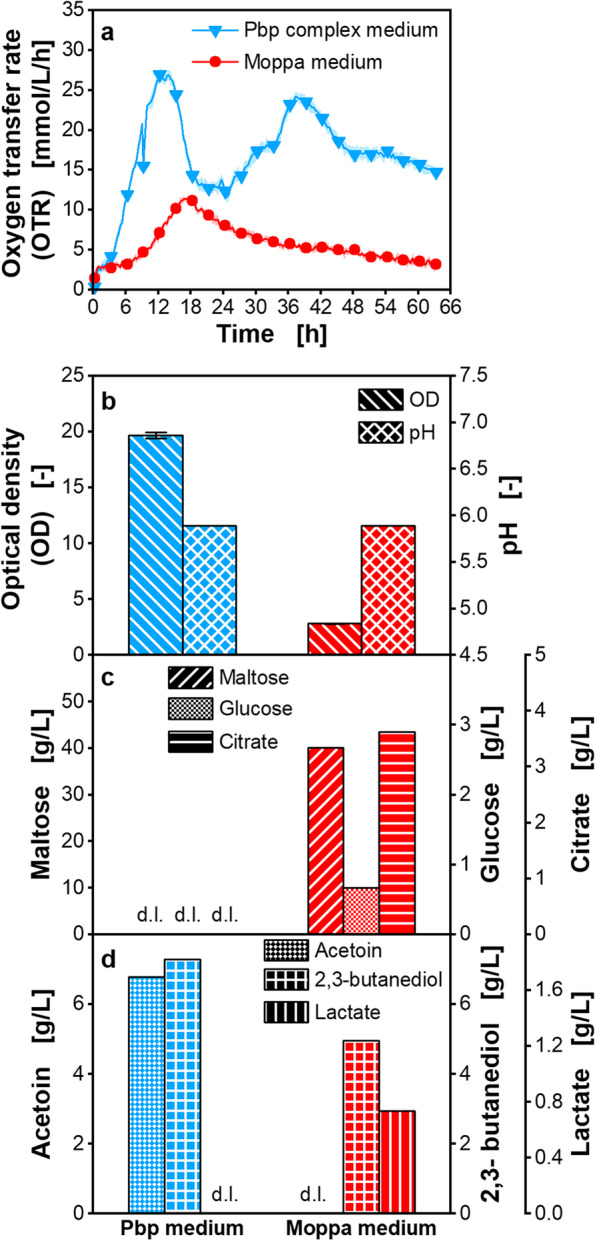
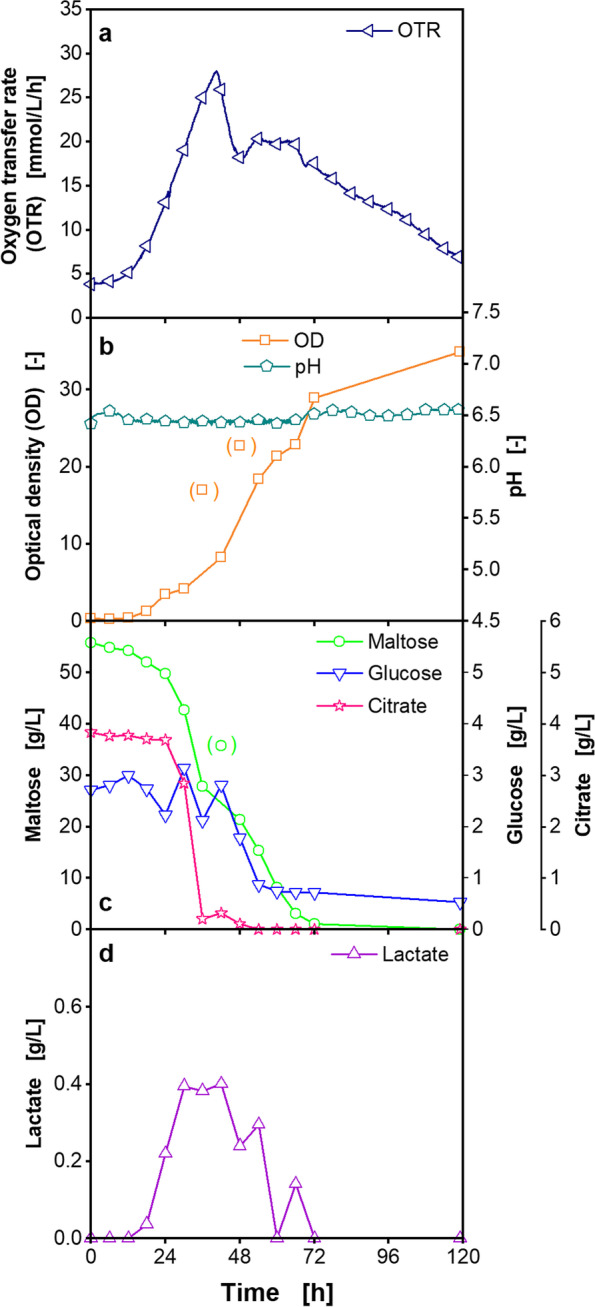
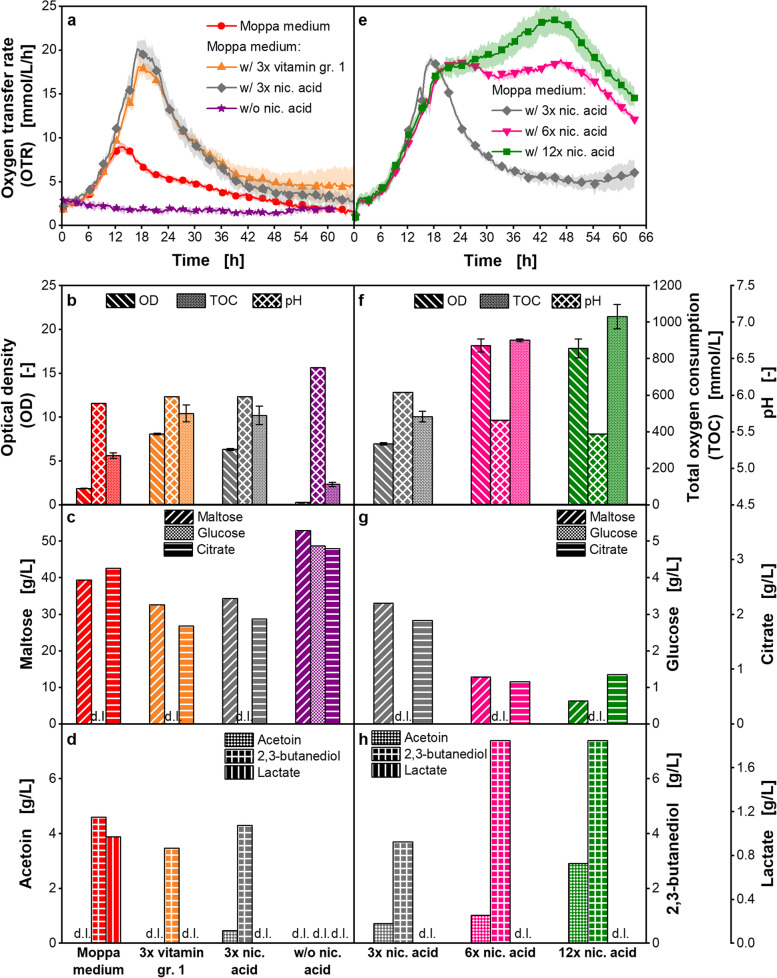
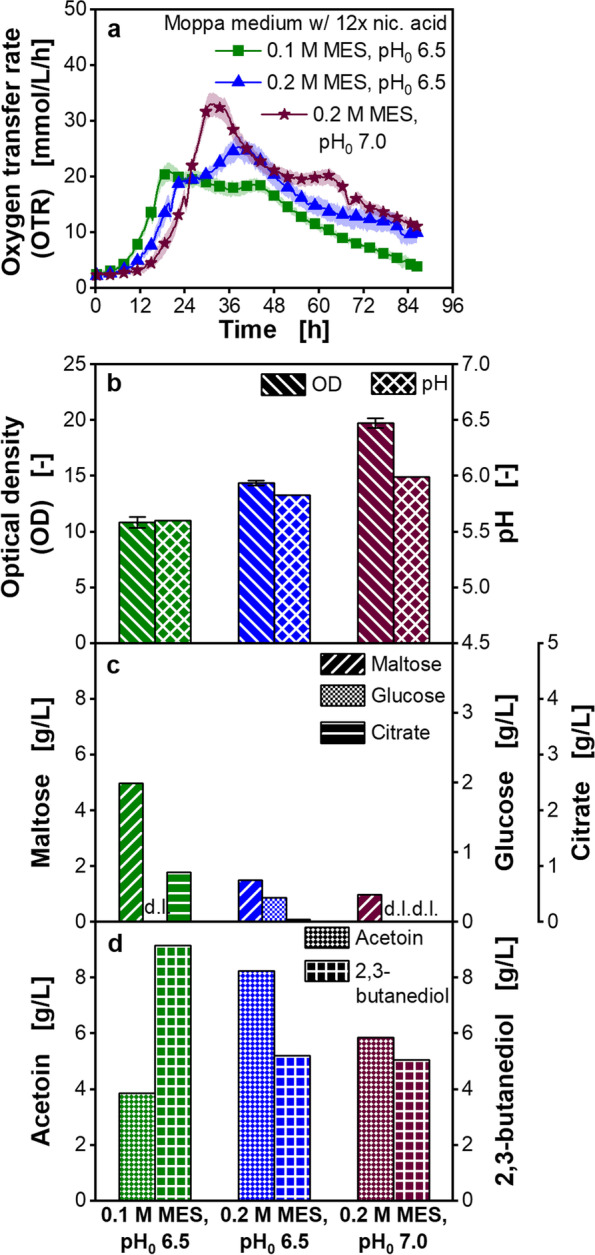
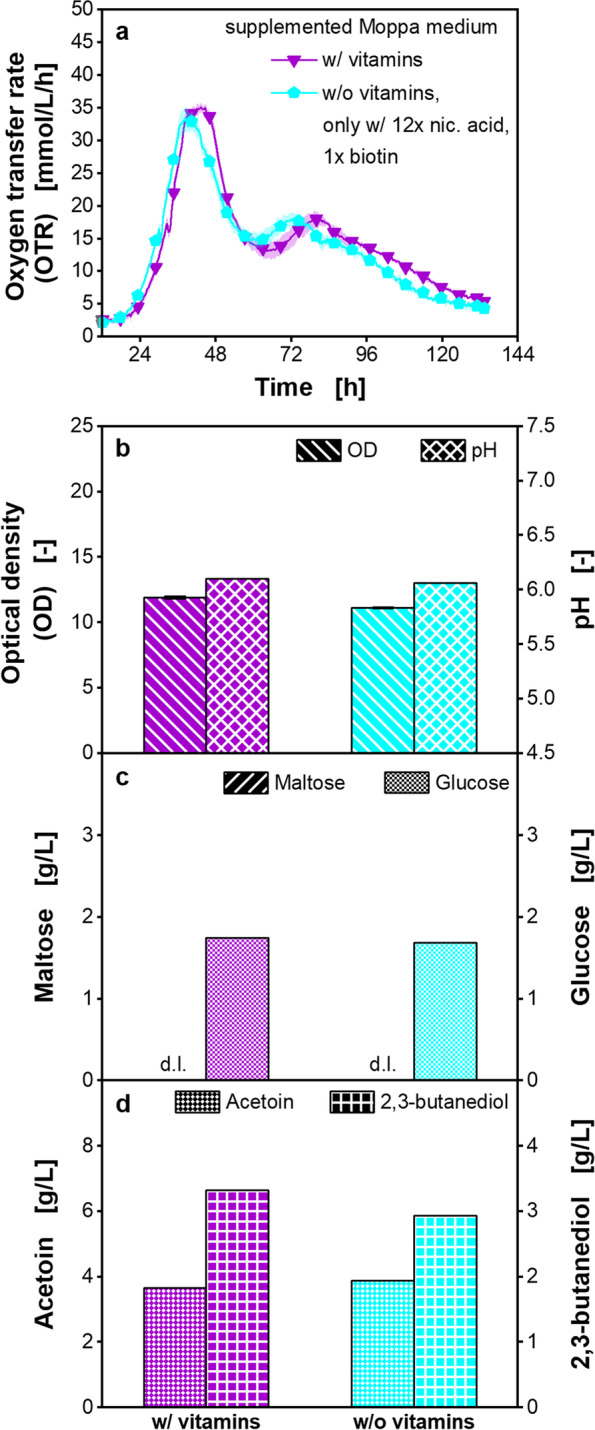
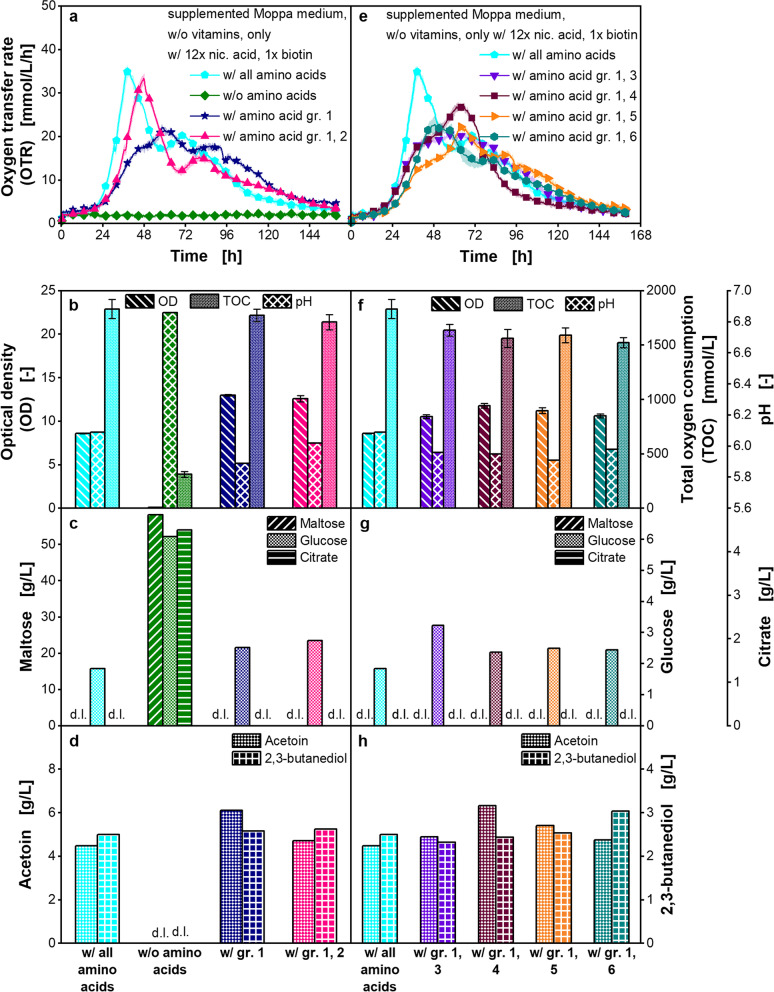
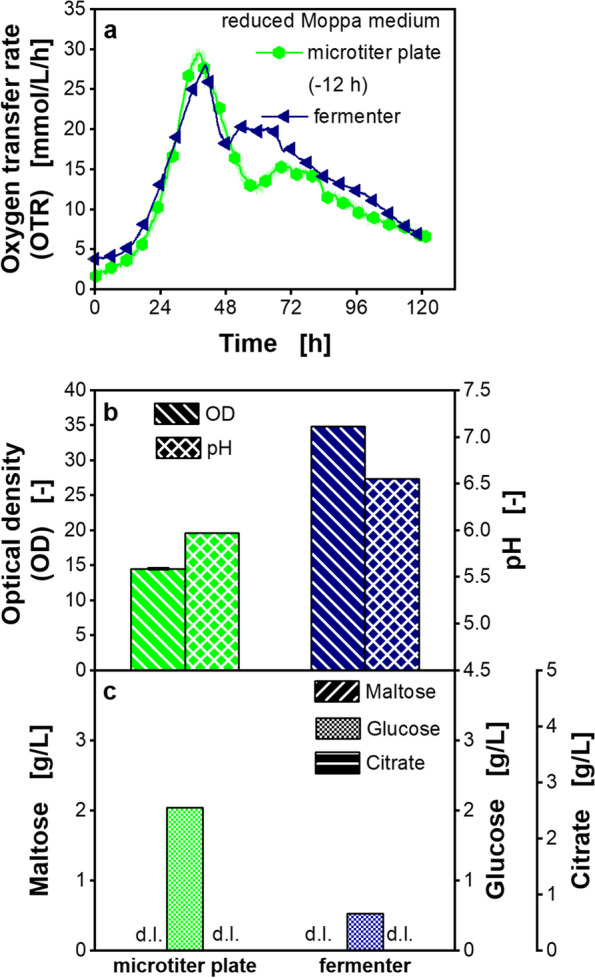
Since most Paenibacillus cultivation protocols so far described in literature are based on complex ingredients, in this study, a chemically defined medium for an industrially relevant Paenibacillus polymyxa strain was developed. A recently reported method, which combines a systematic experimental procedure in combination with online monitoring of the respiration activity, was applied and extended to identify growth limitations for Paenibacillus polymyxa. All cultivations were performed in microtiter plates. By systematically increasing the concentrations of different nutrient groups, nicotinic acid was identified as a growth-limiting component. Additionally, an insufficient buffer capacity was observed. After optimizing the growth in the chemically defined medium, the medium components were systematically reduced to contain only nutrients relevant for growth. Vitamins were reduced to nicotinic acid and biotin, and amino acids to methionine, histidine, proline, arginine, and glutamate. Nucleobases/-sides could be completely left out of the medium. Finally, the cultivation in the reduced medium was reproduced in a laboratory fermenter.
In this study, a reliable and time-efficient high-throughput methodology was extended to investigate limitations in chemically defined media. The interpretation of online measured respiration activities agreed well with the growth performance of samples measured in parallel via offline analyses. Furthermore, the cultivation in microtiter plates was validated in a laboratory fermenter. The results underline the benefits of online monitoring of the respiration activity already in the early stages of process development, to avoid limitations of medium components, oxygen limitation and pH inhibition during the scale-up.
在微生物培养中,一个关键参数是培养介质的组成。如今,由于比复杂培养基具有更明确和可重复的发酵性能,化学定义培养基的应用正在增加。为了提高使用化学定义培养基的发酵过程的成本效益,培养基不应含有大量过量的营养物质。此外,为了获得高产物产量,营养浓度不应有限制。因此,需要有效的培养基优化技术,使培养基组成适应微生物的特定营养需求。
由于迄今为止文献中描述的大多数芽胞杆菌培养方案都是基于复杂的成分,因此在这项研究中,开发了一种用于工业相关地衣芽孢杆菌菌株的化学定义培养基。最近报道的一种方法结合了系统的实验程序和呼吸活性的在线监测,被应用于确定地衣芽孢杆菌的生长限制。所有培养均在微量滴定板中进行。通过系统地增加不同营养组的浓度,确定烟酸是生长限制成分。此外,还观察到缓冲能力不足。在优化化学定义培养基中的生长后,系统地减少培养基成分以仅包含与生长相关的营养物质。将维生素减少到烟酸和生物素,将氨基酸减少到蛋氨酸、组氨酸、脯氨酸、精氨酸和谷氨酸。可以完全从培养基中去除核碱基/核苷。最后,在实验室发酵罐中再现了减少培养基中的培养。
在这项研究中,一种可靠且高效的高通量方法得到扩展,以研究化学定义培养基中的限制因素。在线测量的呼吸活性的解释与通过离线分析并行测量的样品的生长性能非常吻合。此外,在实验室发酵罐中验证了微量滴定板中的培养。结果强调了在工艺开发的早期阶段在线监测呼吸活性的好处,以避免在放大过程中培养基成分、氧气限制和 pH 抑制的限制。