Lin Wenbin, Rieter William J, Taylor Kathryn M L
Department of Chemistry, CB#3290, University of North Carolina, Chapel Hill, NC 27599, USA.
Angew Chem Int Ed Engl. 2009;48(4):650-8. doi: 10.1002/anie.200803387.
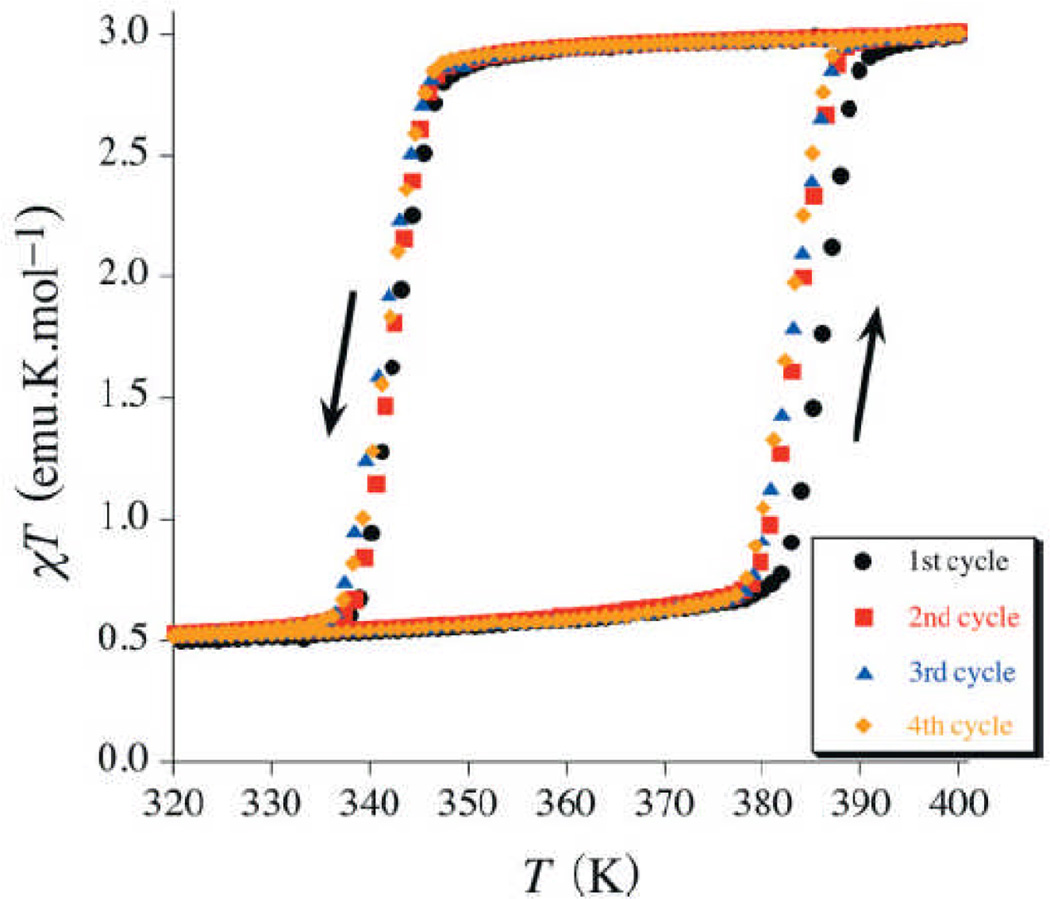
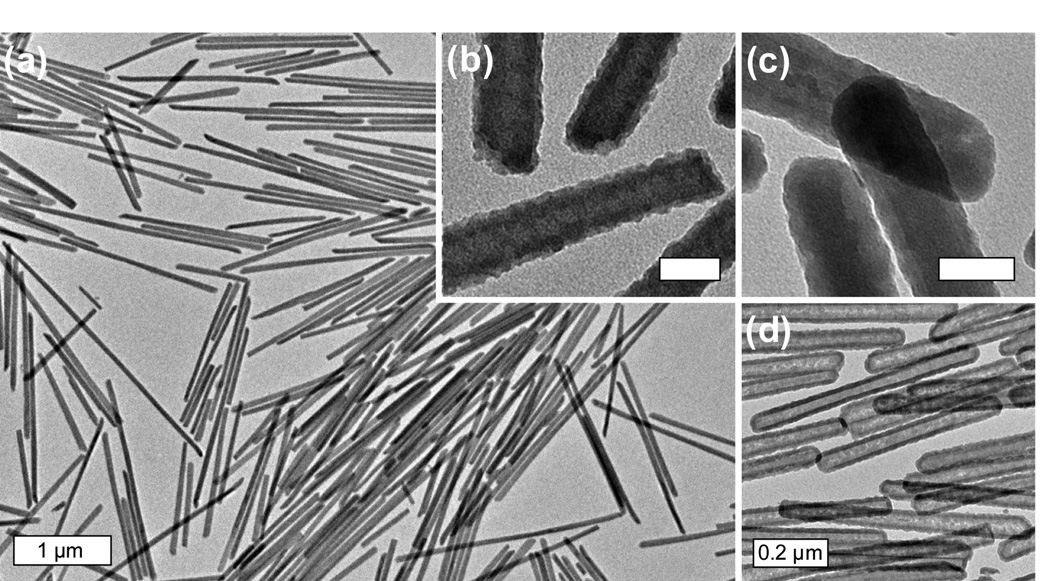
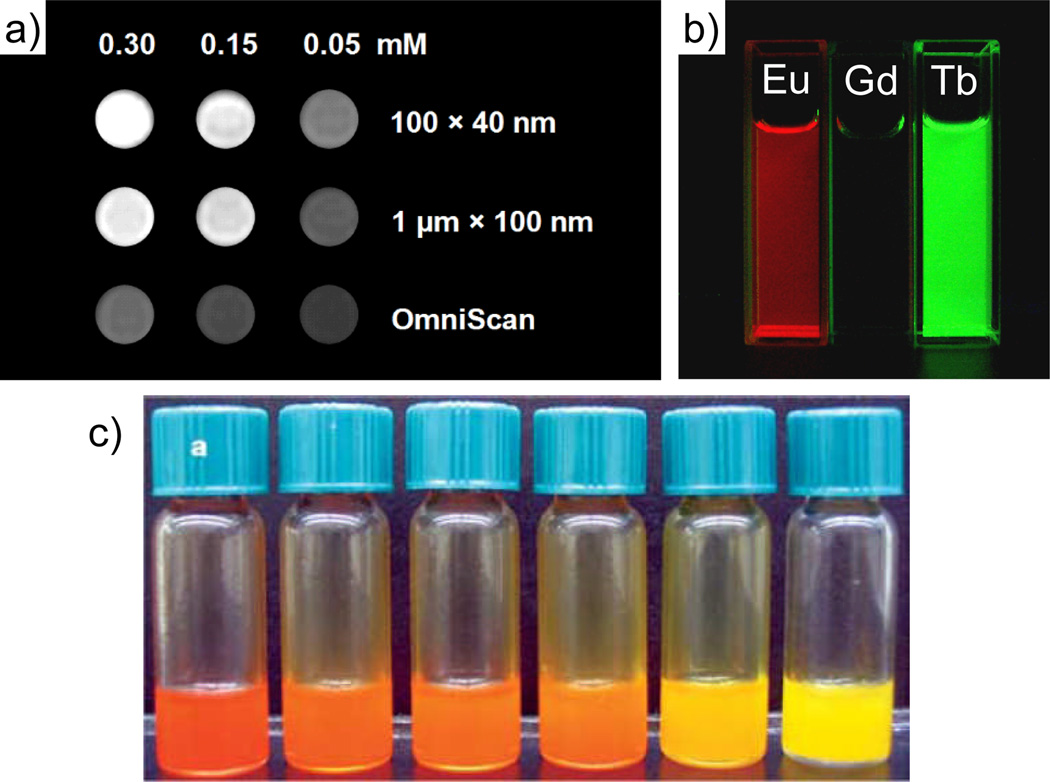
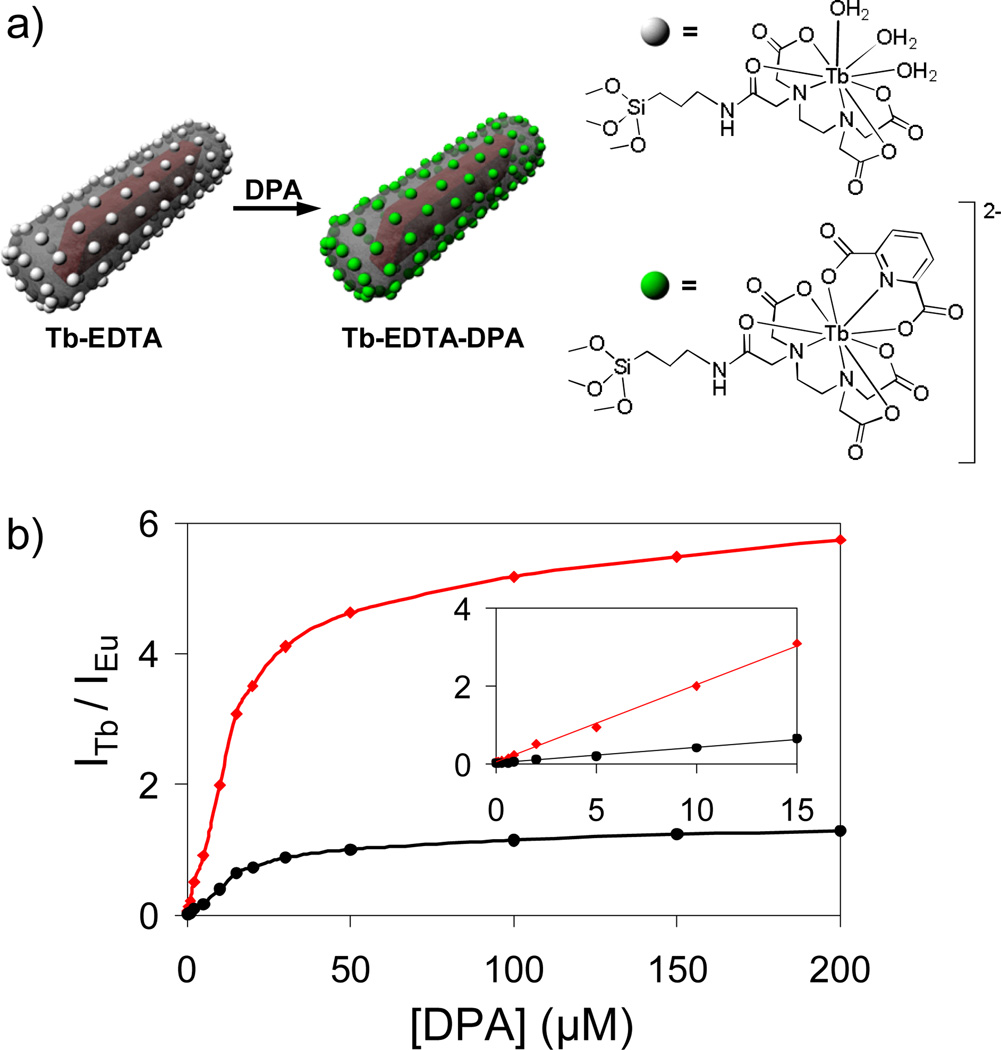
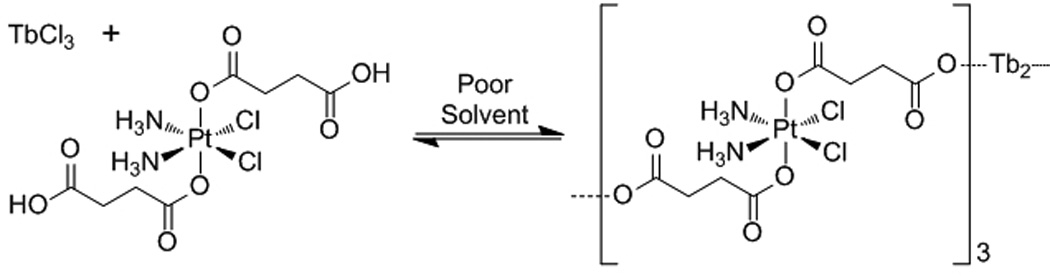
The coordination-directed assembly of metal ions and organic bridging ligands has afforded a variety of bulk-scale hybrid materials with promising characteristics for a number of practical applications, such as gas storage and heterogeneous catalysis. Recently, so-called coordination polymers have emerged as a new class of hybrid nanomaterials. Herein, we highlight advances in the syntheses of both amorphous and crystalline nanoscale coordination polymers. We also illustrate how scaling down these materials to the nano-regime has enabled their use in a broad range of applications including catalysis, spin-crossover, templating, biosensing, biomedical imaging, and anticancer drug delivery. These results underscore the exciting opportunities of developing next-generation functional nanomaterials based on molecular components.
金属离子与有机桥连配体的配位导向组装已产生了多种具有大规模的杂化材料,这些材料在许多实际应用中具有前景良好的特性,如气体存储和多相催化。最近,所谓的配位聚合物已作为一类新型杂化纳米材料出现。在此,我们重点介绍非晶态和晶态纳米级配位聚合物合成方面的进展。我们还阐述了将这些材料缩小至纳米尺度如何使其能够用于广泛的应用,包括催化、自旋交叉、模板化、生物传感、生物医学成像和抗癌药物递送。这些结果突显了基于分子组件开发下一代功能纳米材料的令人兴奋的机遇。