Vaughan Ashley M, O'Neill Matthew T, Tarun Alice S, Camargo Nelly, Phuong Thuan M, Aly Ahmed S I, Cowman Alan F, Kappe Stefan H I
Seattle Biomedical Research Institute, Seattle, WA 98109, USA.
Cell Microbiol. 2009 Mar;11(3):506-20. doi: 10.1111/j.1462-5822.2008.01270.x. Epub 2008 Dec 3.
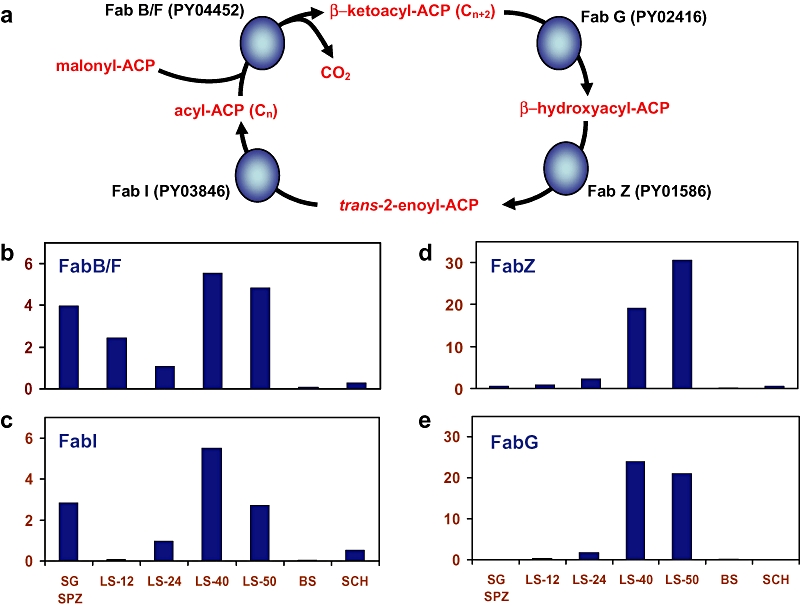
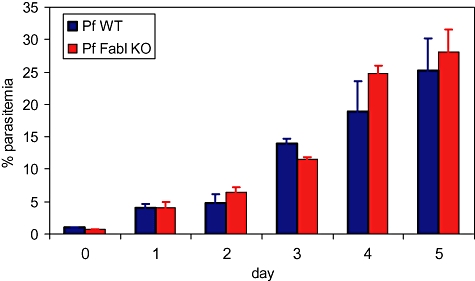
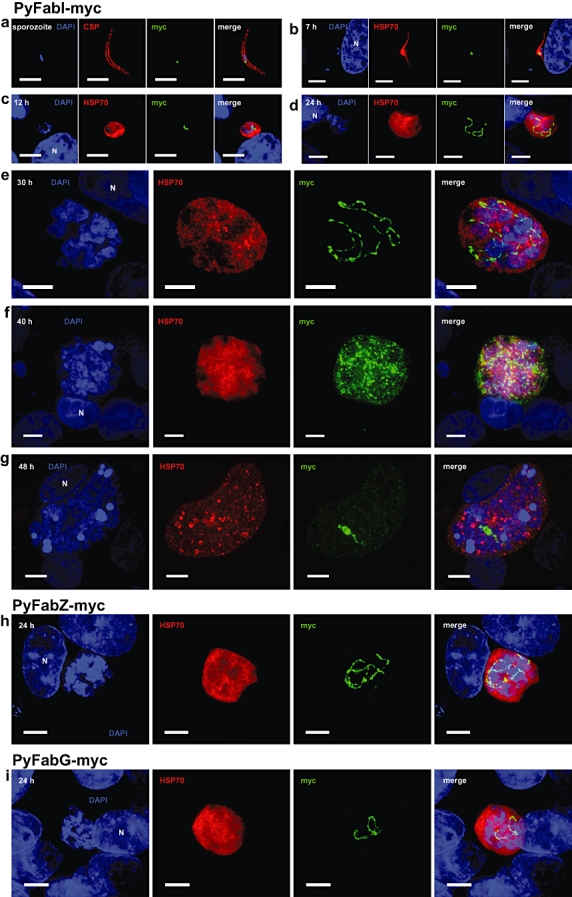
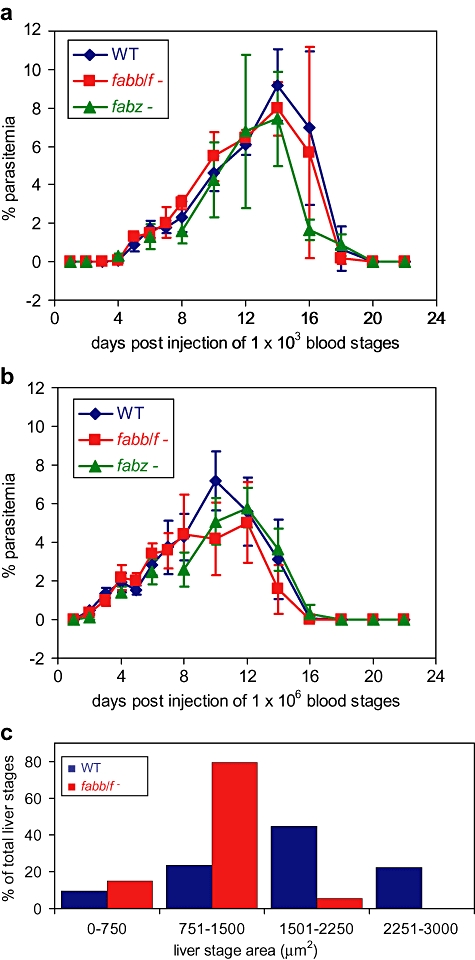
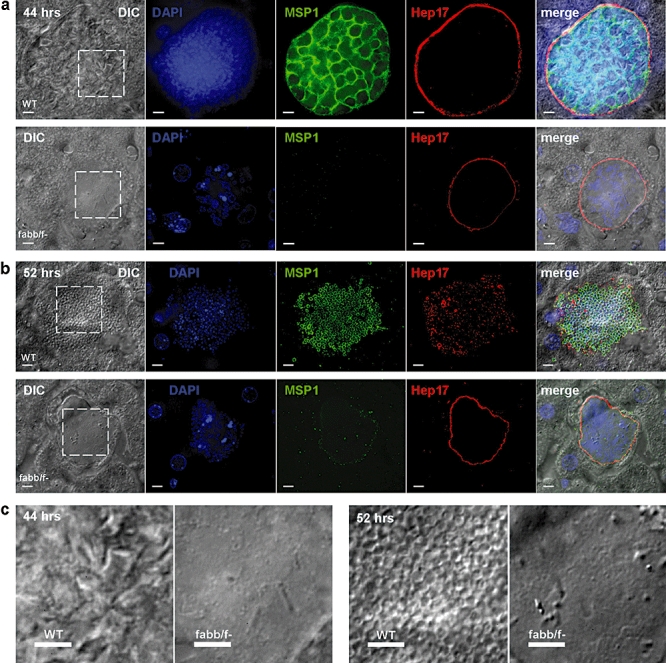
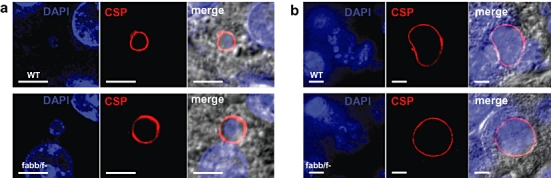
Intracellular malaria parasites require lipids for growth and replication. They possess a prokaryotic type II fatty acid synthesis (FAS II) pathway that localizes to the apicoplast plastid organelle and is assumed to be necessary for pathogenic blood stage replication. However, the importance of FAS II throughout the complex parasite life cycle remains unknown. We show in a rodent malaria model that FAS II enzymes localize to the sporozoite and liver stage apicoplast. Targeted deletion of FabB/F, a critical enzyme in fatty acid synthesis, did not affect parasite blood stage replication, mosquito stage development and initial infection in the liver. This was confirmed by knockout of FabZ, another critical FAS II enzyme. However, FAS II-deficient Plasmodium yoelii liver stages failed to form exo-erythrocytic merozoites, the invasive stage that first initiates blood stage infection. Furthermore, deletion of FabI in the human malaria parasite Plasmodium falciparum did not show a reduction in asexual blood stage replication in vitro. Malaria parasites therefore depend on the intrinsic FAS II pathway only at one specific life cycle transition point, from liver to blood.
细胞内疟原虫的生长和复制需要脂质。它们拥有一种定位于顶质体细胞器的原核II型脂肪酸合成(FAS II)途径,该途径被认为是致病性血液阶段复制所必需的。然而,FAS II在整个复杂的寄生虫生命周期中的重要性仍然未知。我们在啮齿动物疟疾模型中表明,FAS II酶定位于子孢子和肝脏阶段的顶质体。脂肪酸合成中的关键酶FabB/F的靶向缺失并不影响寄生虫的血液阶段复制、蚊子阶段发育以及在肝脏中的初始感染。另一种关键的FAS II酶FabZ的敲除也证实了这一点。然而,缺乏FAS II的约氏疟原虫肝脏阶段未能形成红细胞外裂殖子,即首次引发血液阶段感染的侵入阶段。此外,在人类疟原虫恶性疟原虫中删除FabI在体外并未显示无性血液阶段复制减少。因此,疟原虫仅在从肝脏到血液的一个特定生命周期转变点依赖内在的FAS II途径。