Bielefeldt Klaus, Davis Brian, Binion David G
Center for Pain Research, Division of Gastroenterology, Hepatology and Nutrition, University of Pittsburgh School of Medicine, Pittsburgh, PA 15213, USA.
Inflamm Bowel Dis. 2009 May;15(5):778-88. doi: 10.1002/ibd.20848.
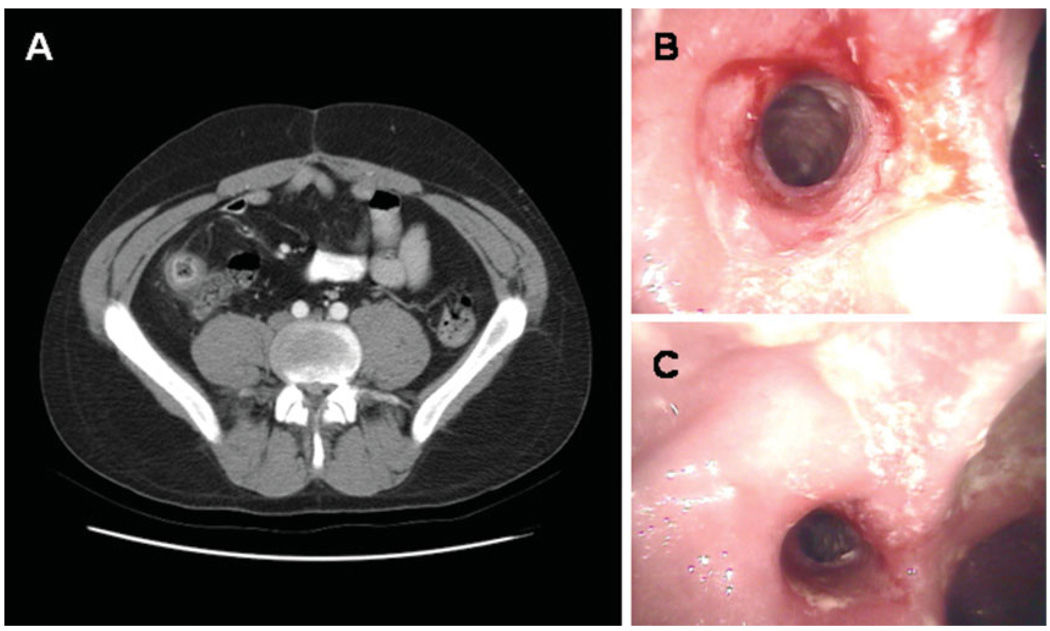
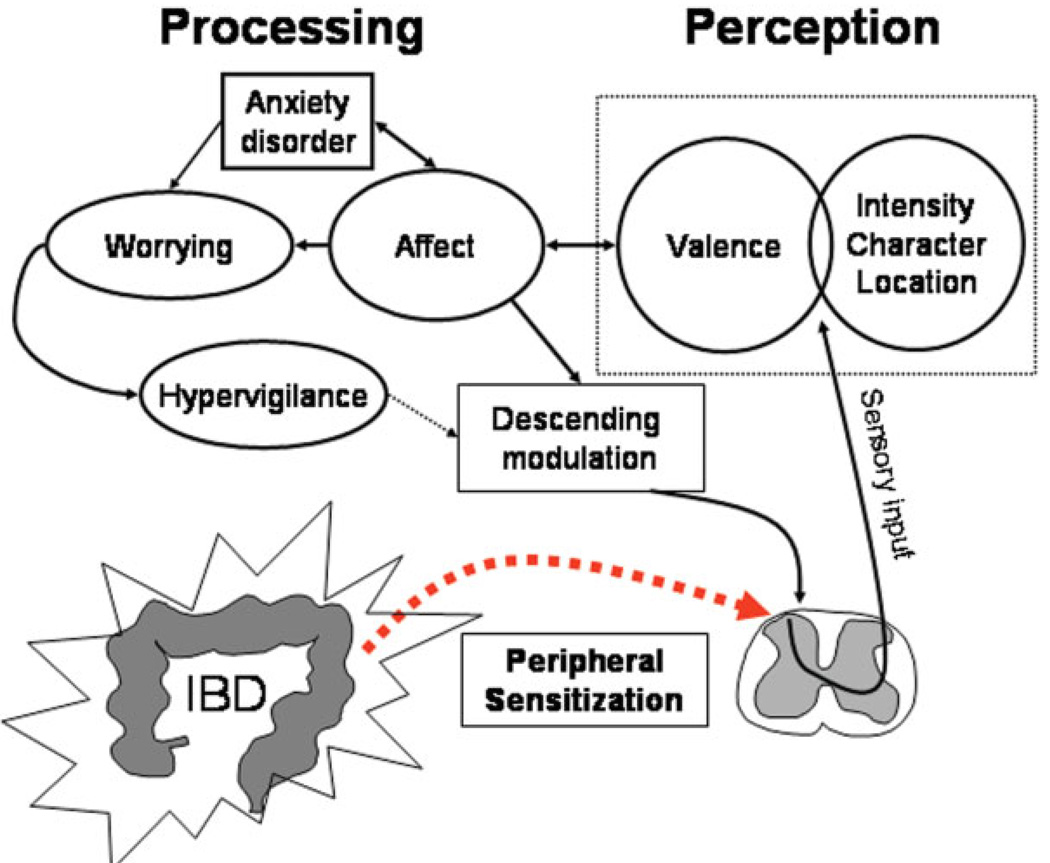
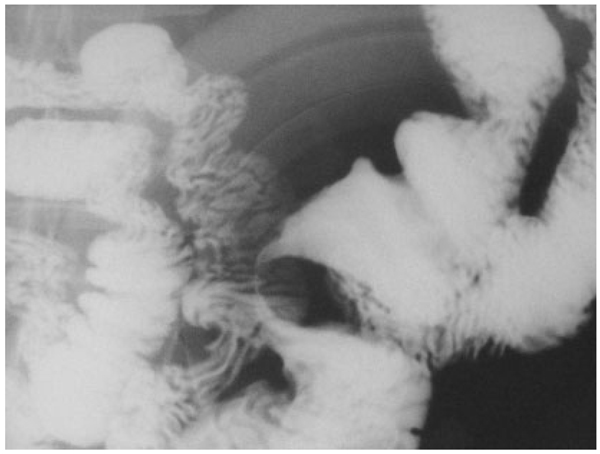
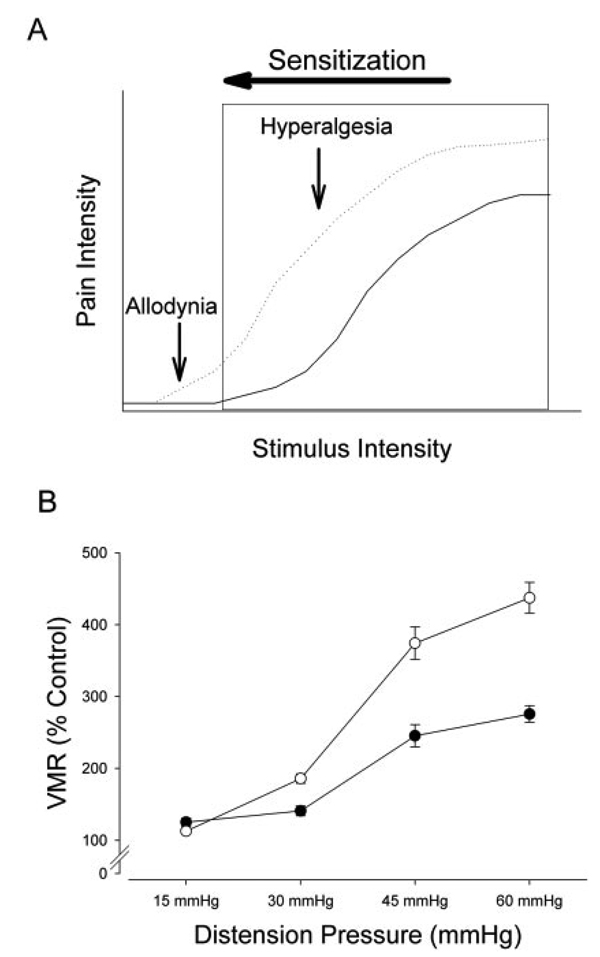
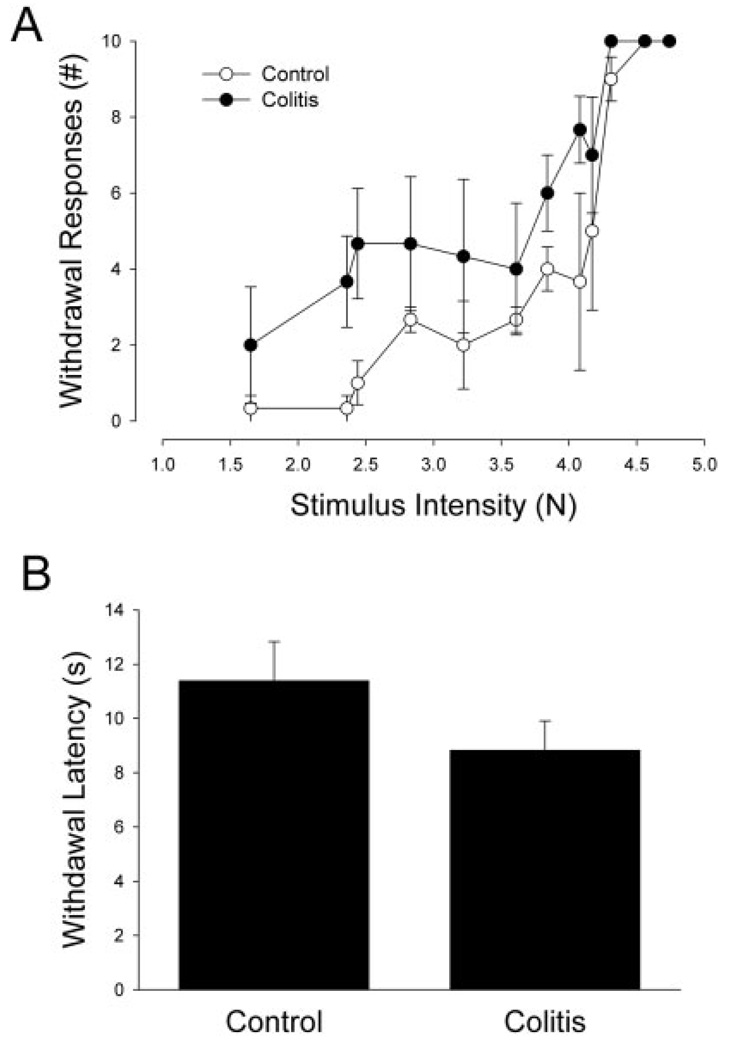
Abdominal pain is a common symptom of inflammatory bowel disease (IBD: Crohn's disease, ulcerative colitis). Pain may arise from different mechanisms, which can include partial blockage and gut distention as well as severe intestinal inflammation. A majority of patients suffering from acute flares of IBD will experience pain, which will typically improve as disease activity decreases. However, a significant percentage of IBD patients continue experiencing symptoms of pain despite resolving inflammation and achieving what appears to be clinical remission. Current evidence suggests that sensory pathways sensitize during inflammation, leading to persistent changes in afferent neurons and central nervous system pain processing. Such persistent pain is not only a simple result of sensory input. Pain processing and even the activation of sensory pathways is modulated by arousal, emotion, and cognitive factors. Considering the high prevalence of iatrogenic as well as essential neuropsychiatric comorbidities including anxiety and depression in IBD patients, these central modulating factors may significantly contribute to the clinical manifestation of chronic pain. The improved understanding of peripheral and central pain mechanisms is leading to new treatment strategies that view pain as a biopsychosocial problem. Thus, improving the underlying inflammation, decreasing the excitability of sensitized afferent pathways, and altering emotional and/or cognitive functions may be required to more effectively address the difficult and disabling disease manifestations.
腹痛是炎症性肠病(IBD:克罗恩病、溃疡性结肠炎)的常见症状。疼痛可能源于不同机制,包括部分梗阻、肠道扩张以及严重的肠道炎症。大多数患有IBD急性发作的患者会经历疼痛,随着疾病活动度降低,疼痛通常会改善。然而,相当一部分IBD患者尽管炎症已消退且似乎实现了临床缓解,但仍持续经历疼痛症状。目前的证据表明,在炎症期间感觉通路会致敏,导致传入神经元和中枢神经系统疼痛处理发生持续性变化。这种持续性疼痛不仅仅是感觉输入的简单结果。疼痛处理乃至感觉通路的激活都受到唤醒、情绪和认知因素的调节。鉴于IBD患者中包括焦虑和抑郁在内的医源性以及原发性神经精神共病的高患病率,这些中枢调节因素可能对慢性疼痛的临床表现有显著影响。对外周和中枢疼痛机制的进一步了解正在催生将疼痛视为生物心理社会问题的新治疗策略。因此,可能需要改善潜在炎症、降低致敏传入通路的兴奋性以及改变情绪和/或认知功能,才能更有效地应对这种困难且致残的疾病表现。