Vickers Andrew J
Memorial Sloan-Kettering Cancer Center.
Am Stat. 2008;62(4):314-320. doi: 10.1198/000313008X370302.
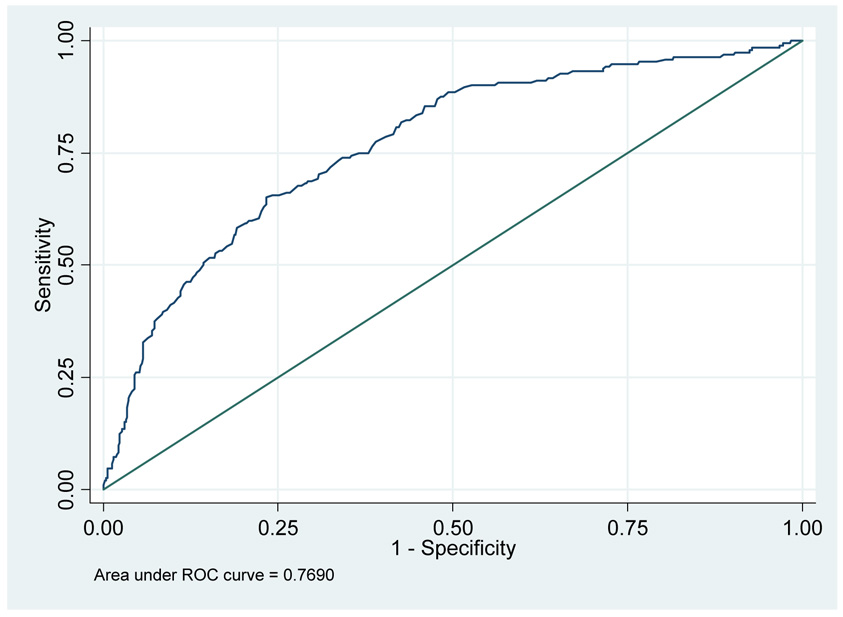
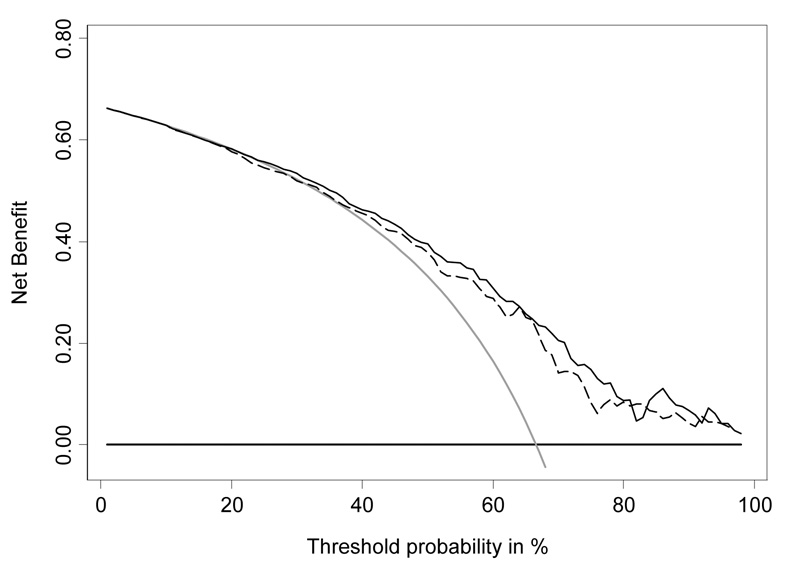
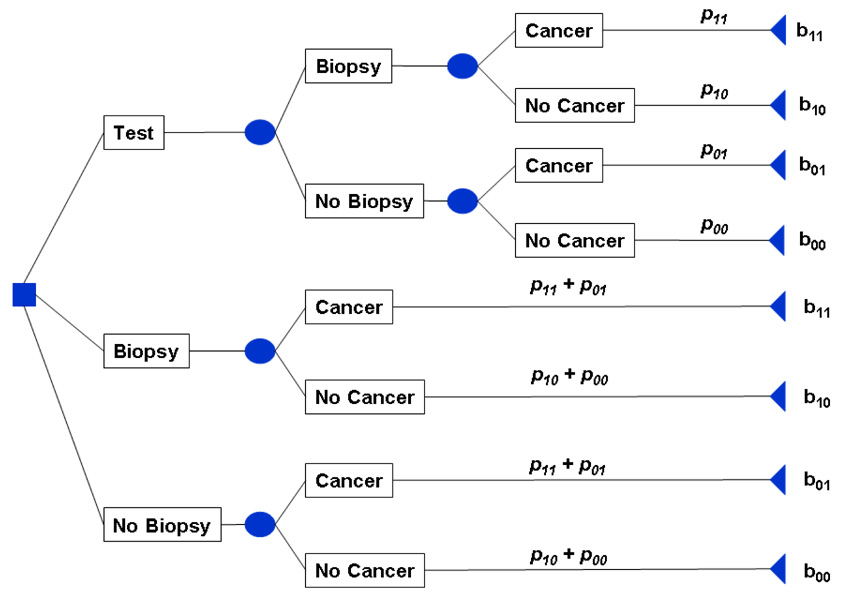
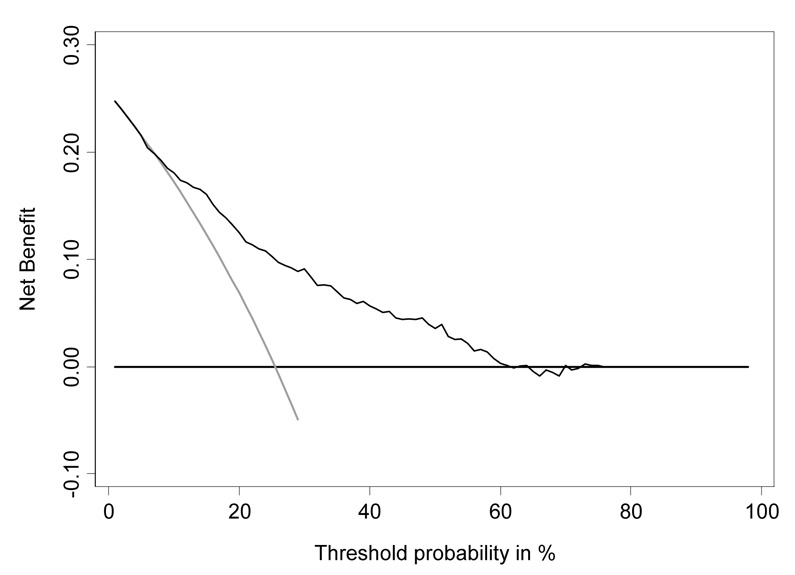
The traditional statistical approach to the evaluation of diagnostic tests, prediction models and molecular markers is to assess their accuracy, using metrics such as sensitivity, specificity and the receiver-operating-characteristic curve. However, there is no obvious association between accuracy and clinical value: it is unclear, for example, just how accurate a test needs to be in order for it to be considered "accurate enough" to warrant its use in patient care. Decision analysis aims to assess the clinical value of a test by assigning weights to each possible consequence. These methods have been historically considered unattractive to the practicing biostatistician because additional data from the literature, or subjective assessments from individual patients or clinicians, are needed in order to assign weights appropriately. Decision analytic methods are available that can reduce these additional requirements. These methods can provide insight into the consequences of using a test, model or marker in clinical practice.
评估诊断测试、预测模型和分子标志物的传统统计方法是使用灵敏度、特异性和受试者工作特征曲线等指标来评估其准确性。然而,准确性与临床价值之间并没有明显的关联:例如,尚不清楚一项测试需要达到多高的准确性才能被认为“足够准确”,从而值得在患者护理中使用。决策分析旨在通过为每种可能的结果赋予权重来评估测试的临床价值。从历史上看,这些方法对执业生物统计学家来说并不具有吸引力,因为为了适当地赋予权重,需要来自文献的额外数据,或者来自个体患者或临床医生的主观评估。现有的决策分析方法可以减少这些额外要求。这些方法可以深入了解在临床实践中使用测试、模型或标志物的后果。