
热休克蛋白在感染介导的炎症诱导肿瘤发生中的作用。
Heat-shock proteins in infection-mediated inflammation-induced tumorigenesis.
机构信息
University of Connecticut, 263 Farmington Avenue, Farmington, CT 06030, USA.
出版信息
J Hematol Oncol. 2009 Jan 30;2:5. doi: 10.1186/1756-8722-2-5.
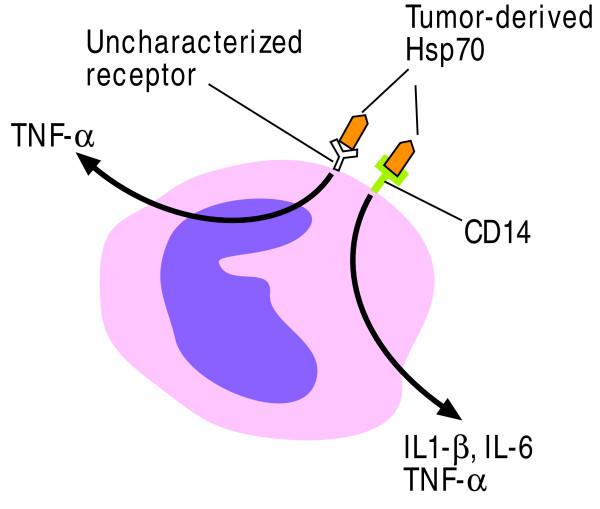
Inflammation is a necessary albeit insufficient component of tumorigenesis in some cancers. Infectious agents directly implicated in tumorigenesis have been shown to induce inflammation. This process involves both the innate and adaptive components of the immune system which contribute to tumor angiogenesis, tumor tolerance and metastatic properties of neoplasms. Recently, heat-shock proteins have been identified as mediators of this inflammatory process and thus may provide a link between infection-mediated inflammation and subsequent cancer development. In this review, the role of heat-shock proteins in infection-induced inflammation and carcinogenesis will be discussed.
在某些癌症中,炎症是肿瘤发生的必要但不充分的组成部分。已经证实,直接参与肿瘤发生的感染因子会诱导炎症。这一过程涉及免疫系统的固有和适应性成分,有助于肿瘤血管生成、肿瘤耐受和肿瘤转移。最近,热休克蛋白已被确定为这一炎症过程的介质,因此可能在感染介导的炎症与随后的癌症发展之间提供了联系。本文将讨论热休克蛋白在感染诱导的炎症和致癌作用中的作用。


 Zotero 插件