Tomenson John A, Matthews Graham A
Causation Ltd, Macclesfield, Cheshire, SK11 7JN, UK.
Int Arch Occup Environ Health. 2009 Aug;82(8):935-49. doi: 10.1007/s00420-009-0399-4. Epub 2009 Feb 8.
The present investigation looks in detail at the causes and types of health incidents reported by 6,300 mainly smallholder agrochemical users in 24 countries during 2005 and 2006.
The investigation is based on a questionnaire survey of knowledge, attitude and practice that concentrated on the sequence of events from purchasing the pesticide to disposal. Information was also collected about health problems experienced while using agrochemicals. The survey targeted mainly smallholder knapsack spray operators who were expected to be at a highest risk of exposure.
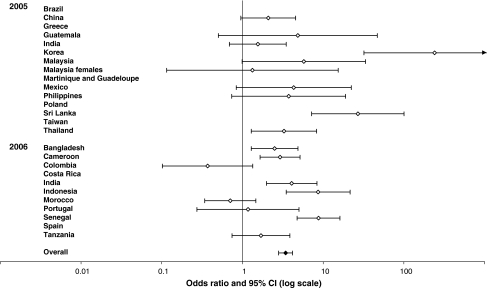
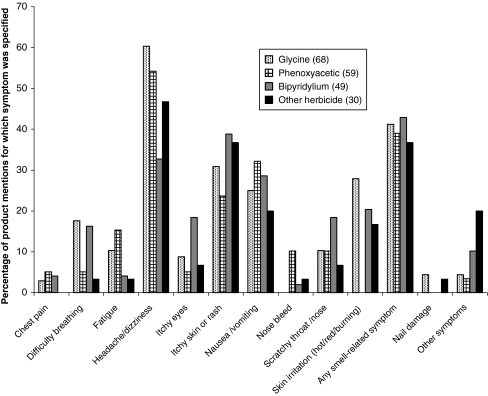
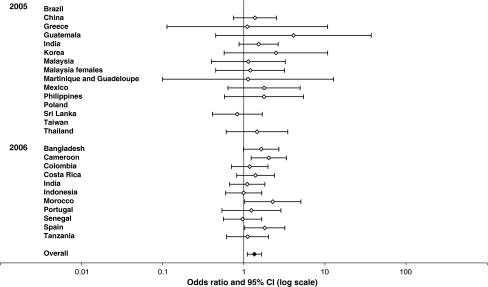
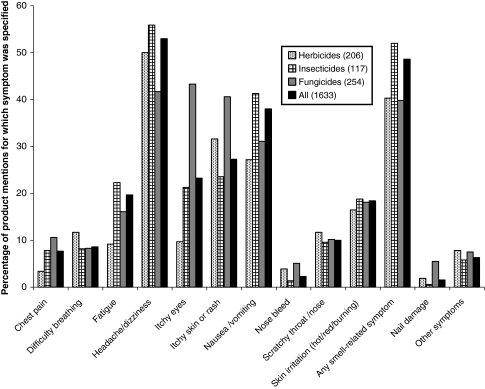
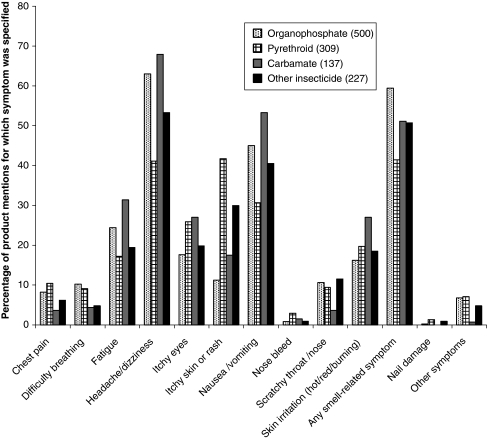
In the 12 months prior to interview, 1.2% of users reported an agrochemical-related incident that required hospital treatment, 5.8% reported an incident requiring at least trained medical treatment but not hospitalisation and 19.8% reported only a minor sign or symptom. Users who had experienced an incident involving agricultural equipment were 3.38 (95% CI 2.29-4.99) times more likely to experience an agrochemical-related health incident, but confident users who felt that their use of personal protective equipment while spraying was best practice were 0.60 (95% CI 0.44-0.84) times less likely to experience such an incident. Over 80% of product-related incidents were caused by insecticides and the incidence rate per spraying time for incidents linked to insecticides was significantly higher than that for fungicides or herbicides. Headache/dizziness and nausea/vomiting, often smell related, were the most common symptoms reported by users who listed agrochemical products that had caused them health problems (52 and 38% of product mentions, respectively).
In most countries, the incidence of serious health effects was low; however, there was a high incidence of minor signs and symptoms in a few countries, especially in Africa. A disproportionate number of incidents occurred during insecticide use relative to the time that they were sprayed. Failure to exercise caution as indicated by whether users had incidents involving agricultural equipment or livestock, and lack of confidence in their practices were the most important predictors of agrochemical-related incidents.
本调查详细研究了2005年至2006年期间24个国家的6300名主要小农户农药使用者报告的健康事件的原因和类型。
该调查基于一项关于知识、态度和行为的问卷调查,重点关注从购买农药到处置的一系列事件。还收集了使用农药期间经历的健康问题的信息。调查主要针对预计暴露风险最高的小农户背负式喷雾器操作人员。
在接受访谈前的12个月里,1.2%的使用者报告了需要住院治疗的与农药相关的事件,5.8%报告了需要至少经过培训的医疗治疗但无需住院的事件,19.8%仅报告了轻微的体征或症状。经历过涉及农业设备事件的使用者发生与农药相关的健康事件的可能性是其他使用者的3.38倍(95%置信区间2.29 - 4.99),但认为自己在喷雾时使用个人防护设备是最佳做法的自信使用者发生此类事件的可能性降低0.60倍(95%置信区间0.44 - 0.84)。超过80%与产品相关的事件由杀虫剂引起,与杀虫剂相关的事件每次喷雾的发生率显著高于杀菌剂或除草剂。头痛/头晕和恶心/呕吐,通常与气味有关,是列出给自己带来健康问题的农药产品的使用者报告的最常见症状(分别占提及产品的52%和38%)。
在大多数国家,严重健康影响的发生率较低;然而,在少数国家,尤其是非洲,轻微体征和症状的发生率较高。相对于喷雾时间,使用杀虫剂期间发生的事件数量不成比例。使用者是否有涉及农业设备或牲畜的事件所表明的缺乏谨慎,以及对自身行为缺乏信心,是与农药相关事件的最重要预测因素。