Li Xiu-Min, Brown Laverne
Department of Pediatrics, Mount Sinai School of Medicine, New York, NY, USA.
J Allergy Clin Immunol. 2009 Feb;123(2):297-306; quiz 307-8. doi: 10.1016/j.jaci.2008.12.026.
Although corticosteroids and beta(2)-agonists are effective in managing asthma symptoms, a curative therapy for asthma is lacking. Traditional Chinese medicine (TCM), used in Asia for centuries, is beginning to play a role in Western health care as a complementary and alternative medicine modality. There is increasing scientific evidence supporting the use of TCM for asthma treatment.
This review article discusses promising TCM interventions for asthma and explores their possible mechanisms of action.
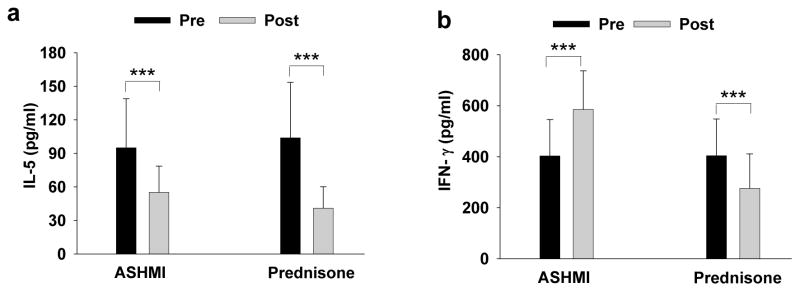
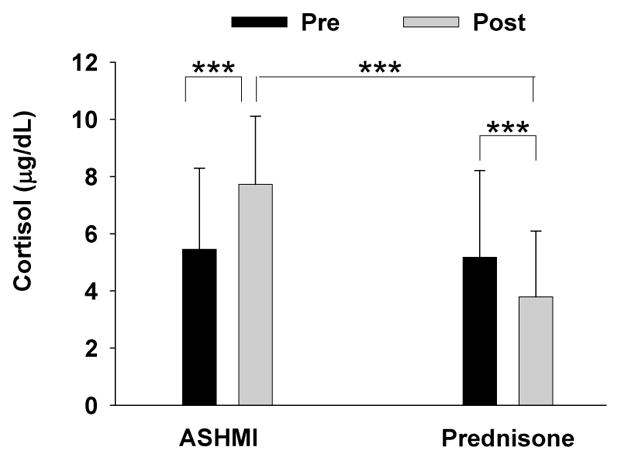
We first reviewed 5 clinical studies of antiasthma TCM herbal remedies published between 2005 and 2007. We then summarized possible mechanisms underlying their effects on the basis of data in the original articles, published abstracts, and available databases. Possible mechanisms include anti-inflammation, inhibition of airway smooth muscle contraction, and immunomodulation. Research on TCM herbal therapy for food allergy is rare, and we therefore focused on the effect and mechanism of action of food allergy herbal formula-2 on a murine model of peanut allergy and preliminary clinical study results.
Evidence from clinical studies supports beneficial effects of TCM herbal therapy on asthma. A number of mechanisms may be responsible for efficacy of these agents. Strong preclinical study data suggest the potential efficacy of food allergy herbal formula-2 for food allergy.
尽管皮质类固醇和β2受体激动剂在控制哮喘症状方面有效,但仍缺乏治愈哮喘的疗法。在亚洲使用了数百年的传统中医(TCM),正开始作为一种补充和替代医学模式在西方医疗保健中发挥作用。越来越多的科学证据支持使用中医治疗哮喘。
这篇综述文章讨论了治疗哮喘有前景的中医干预措施,并探讨了其可能的作用机制。
我们首先回顾了2005年至2007年间发表的5项关于抗哮喘中药疗法的临床研究。然后,我们根据原始文章、发表的摘要和现有数据库中的数据,总结了其作用的可能机制。可能的机制包括抗炎、抑制气道平滑肌收缩和免疫调节。关于中药治疗食物过敏的研究很少,因此我们重点关注食物过敏中药配方2对花生过敏小鼠模型的作用效果和作用机制以及初步临床研究结果。
临床研究证据支持中药疗法对哮喘有有益作用。这些药物的疗效可能由多种机制所致。强有力的临床前研究数据表明食物过敏中药配方2对食物过敏具有潜在疗效。