Department of Chemical Engineering, Massachusetts Institute of Technology, 77 Massachusetts Avenue, Cambridge, Massachusetts 02139, USA.
Biomacromolecules. 2009 Apr 13;10(4):756-65. doi: 10.1021/bm801199z.
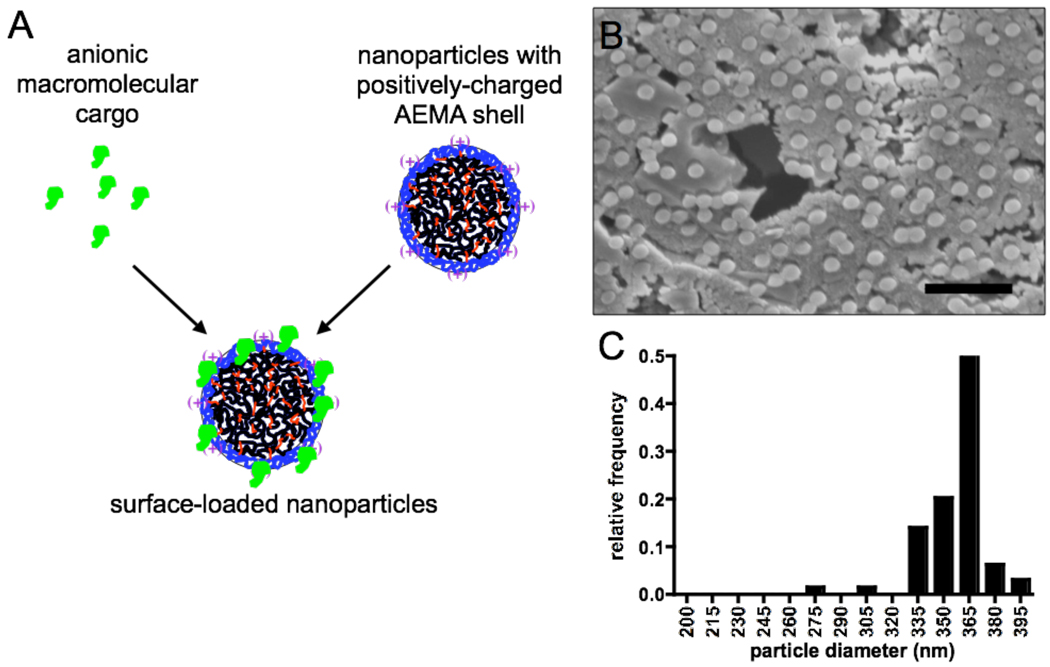
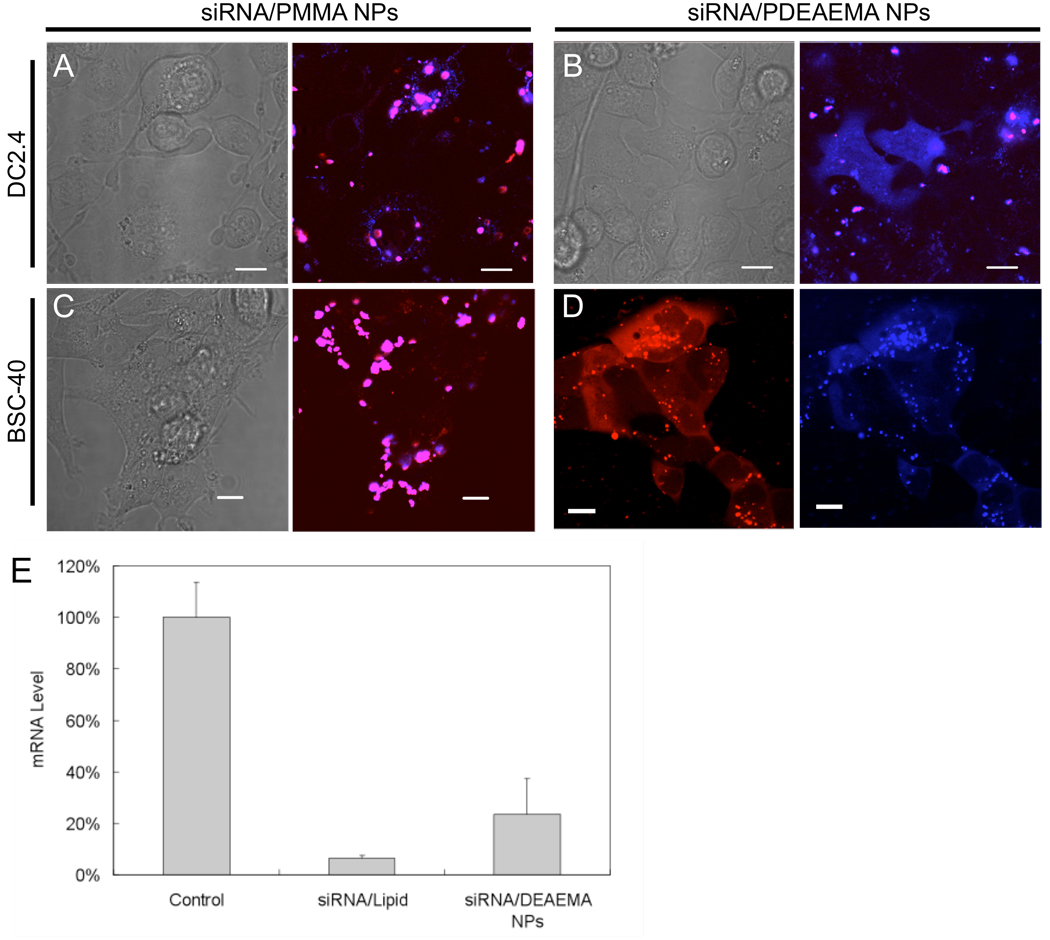
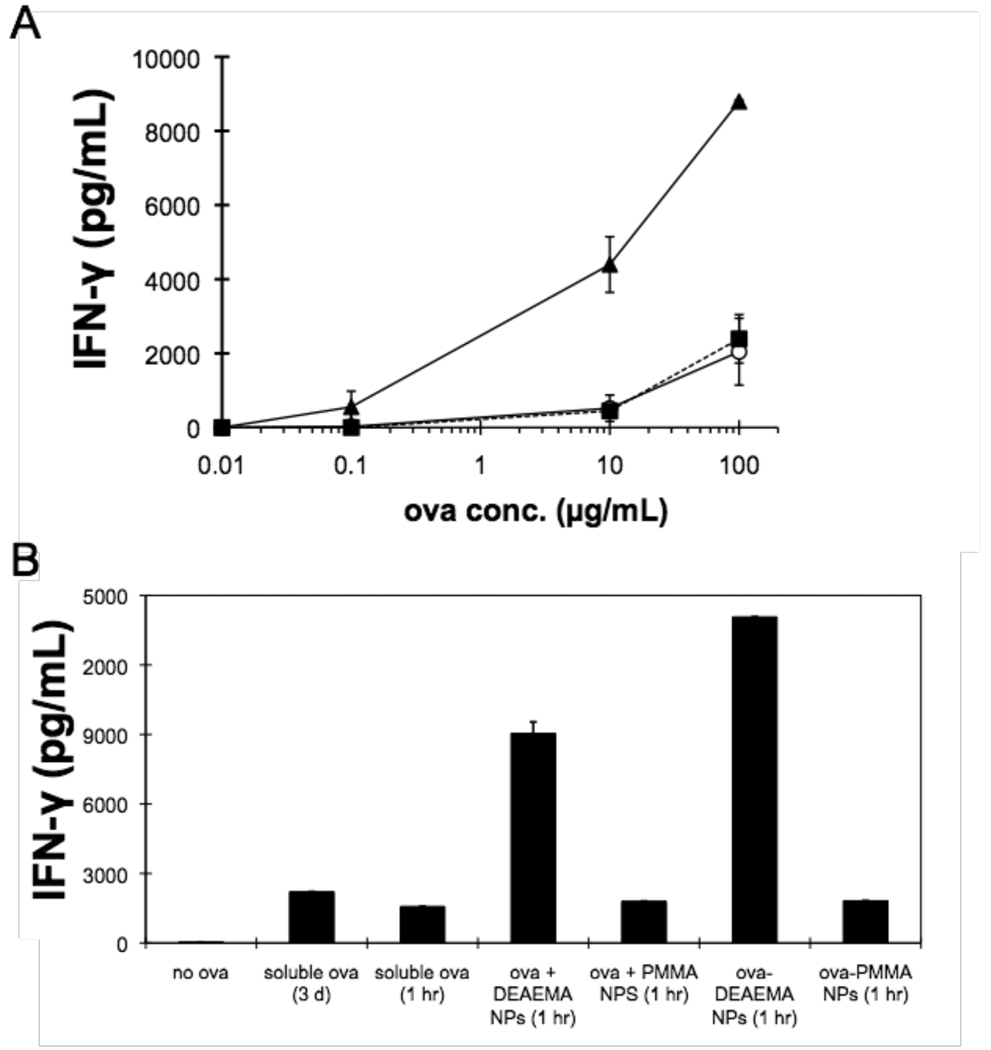
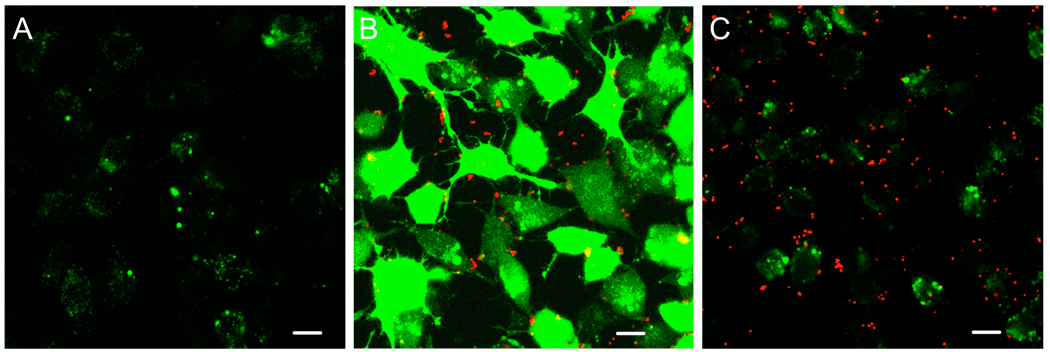
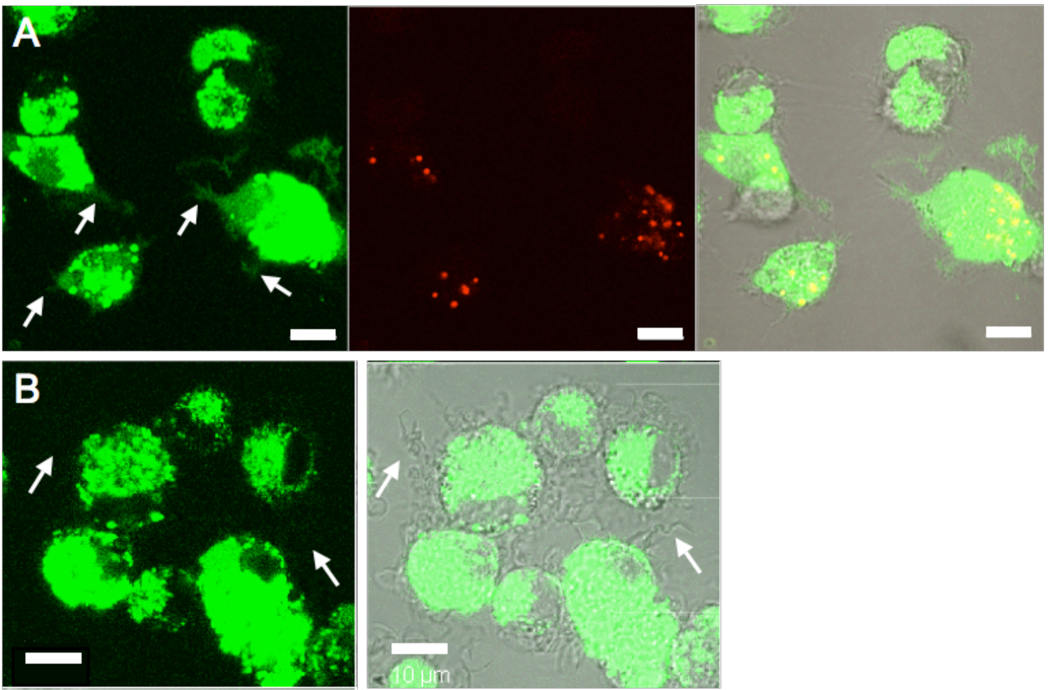
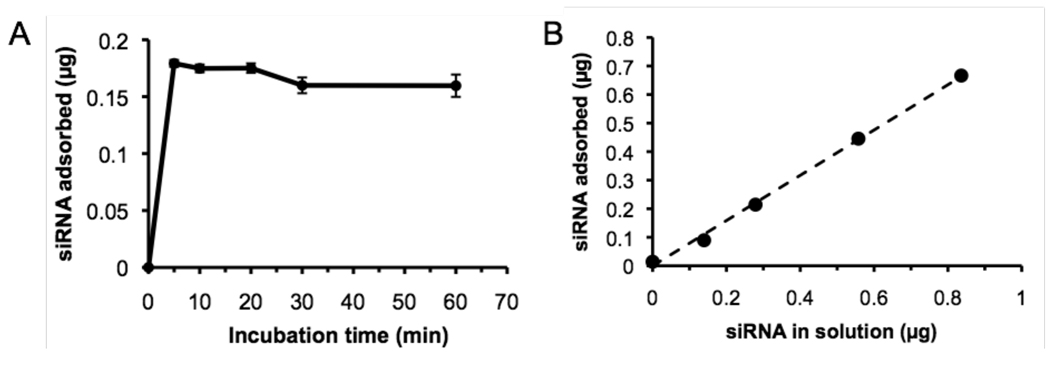
We recently described a strategy for intracellular delivery of macromolecules, utilizing pH-responsive "core-shell" structured gel particles. These cross-linked hydrogel particles disrupt endosomes with low toxicity by virtue of physical sequestration of an endosome-disrupting "proton sponge" core inside a nontoxic hydrophilic shell. Here we tested the efficacy of this system for cytosolic delivery of a broad range of macromolecular cargos, and demonstrate the delivery of proteins, whole viral particles, or siRNA oligonucleotides into the cytosol of dendritic cells and epithelial cells via core-shell particles. We assessed the functional impact of particle delivery for vaccine applications and found that cytosolic delivery of protein antigens in dendritic cells via the core-shell particles promotes priming of CD8(+) T-cells at 100-fold lower doses than soluble protein. Functional gene knockdown following delivery of siRNA using the particles was demonstrated in epithelial cells. Based on these findings, these materials may be of interest for a broad range of biomedical applications.
我们最近描述了一种利用 pH 响应型“核壳”结构凝胶颗粒进行大分子细胞内传递的策略。这些交联水凝胶颗粒通过将一种破坏内体的“质子海绵”核心物理隔离在无毒亲水性壳内来破坏内体,具有低毒性。在这里,我们测试了该系统用于广泛的大分子货物胞质传递的功效,并通过核壳颗粒将蛋白质、完整病毒颗粒或 siRNA 寡核苷酸递送至树突状细胞和上皮细胞的胞质溶胶中。我们评估了颗粒传递在疫苗应用中的功能影响,发现通过核壳颗粒将蛋白质抗原递送至树突状细胞中可促进 CD8(+)T 细胞的启动,所需剂量比可溶性蛋白低 100 倍。在使用这些颗粒传递 siRNA 后,在上皮细胞中证明了功能性基因敲低。基于这些发现,这些材料可能对广泛的生物医学应用感兴趣。