Woo Patrick C Y, Lau Susanna K P, Tse Herman, Teng Jade L L, Curreem Shirly O T, Tsang Alan K L, Fan Rachel Y Y, Wong Gilman K M, Huang Yi, Loman Nicholas J, Snyder Lori A S, Cai James J, Huang Jian-Dong, Mak William, Pallen Mark J, Lok Si, Yuen Kwok-Yung
State Key Laboratory of Emerging Infectious Diseases, The University of Hong Kong, Hong Kong, Special Administrative Region, People's Republic of China.
PLoS Genet. 2009 Mar;5(3):e1000416. doi: 10.1371/journal.pgen.1000416. Epub 2009 Mar 13.
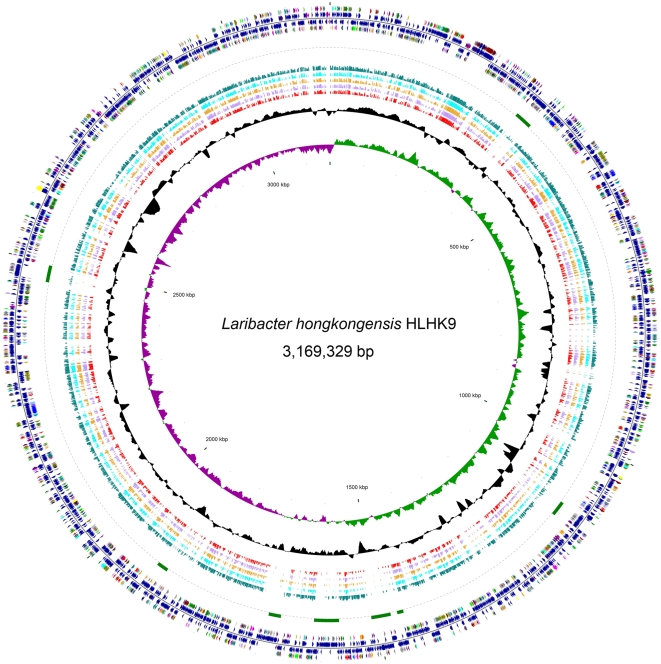
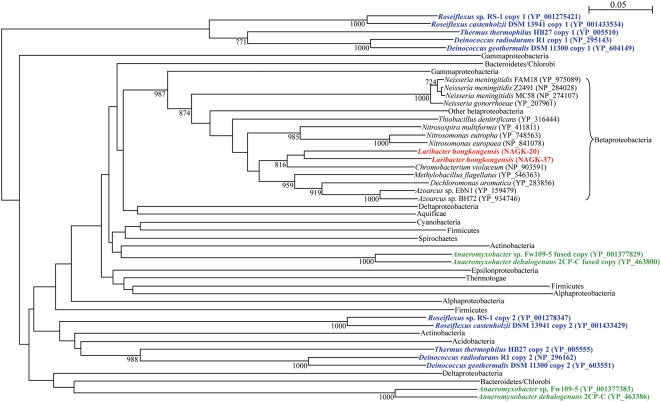
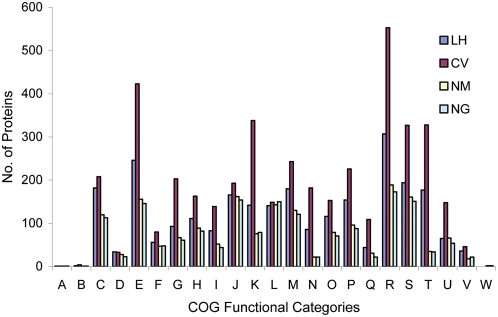
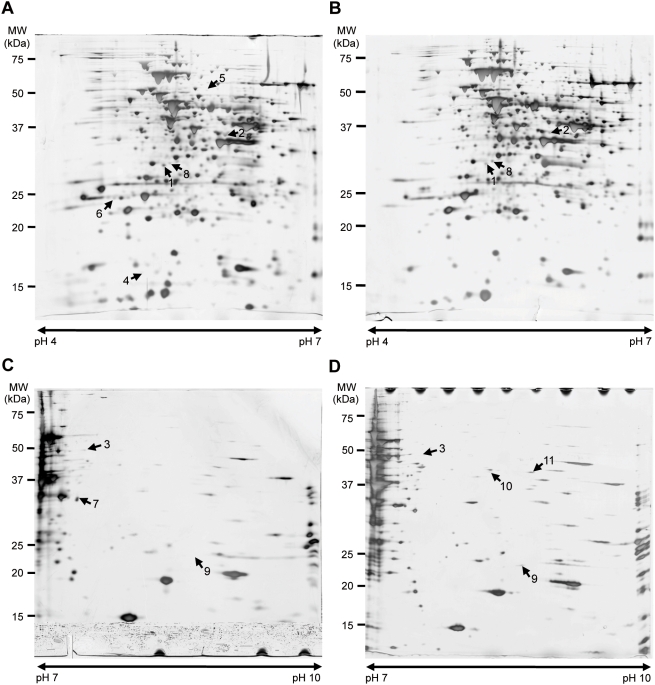
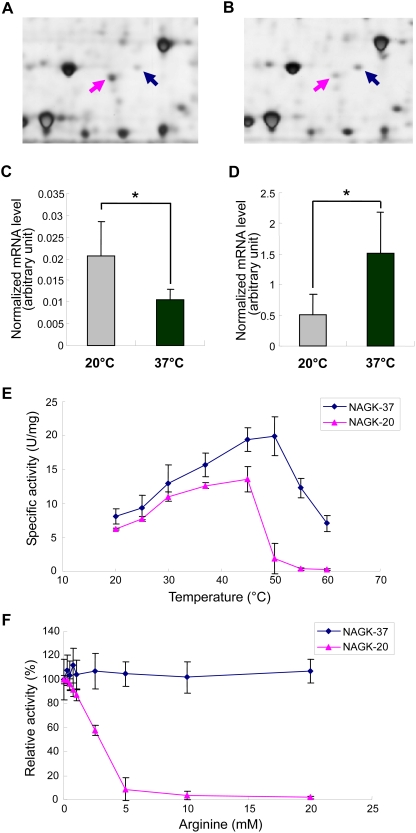
Laribacter hongkongensis is a newly discovered Gram-negative bacillus of the Neisseriaceae family associated with freshwater fish-borne gastroenteritis and traveler's diarrhea. The complete genome sequence of L. hongkongensis HLHK9, recovered from an immunocompetent patient with severe gastroenteritis, consists of a 3,169-kb chromosome with G+C content of 62.35%. Genome analysis reveals different mechanisms potentially important for its adaptation to diverse habitats of human and freshwater fish intestines and freshwater environments. The gene contents support its phenotypic properties and suggest that amino acids and fatty acids can be used as carbon sources. The extensive variety of transporters, including multidrug efflux and heavy metal transporters as well as genes involved in chemotaxis, may enable L. hongkongensis to survive in different environmental niches. Genes encoding urease, bile salts efflux pump, adhesin, catalase, superoxide dismutase, and other putative virulence factors-such as hemolysins, RTX toxins, patatin-like proteins, phospholipase A1, and collagenases-are present. Proteomes of L. hongkongensis HLHK9 cultured at 37 degrees C (human body temperature) and 20 degrees C (freshwater habitat temperature) showed differential gene expression, including two homologous copies of argB, argB-20, and argB-37, which encode two isoenzymes of N-acetyl-L-glutamate kinase (NAGK)-NAGK-20 and NAGK-37-in the arginine biosynthesis pathway. NAGK-20 showed higher expression at 20 degrees C, whereas NAGK-37 showed higher expression at 37 degrees C. NAGK-20 also had a lower optimal temperature for enzymatic activities and was inhibited by arginine probably as negative-feedback control. Similar duplicated copies of argB are also observed in bacteria from hot springs such as Thermus thermophilus, Deinococcus geothermalis, Deinococcus radiodurans, and Roseiflexus castenholzii, suggesting that similar mechanisms for temperature adaptation may be employed by other bacteria. Genome and proteome analysis of L. hongkongensis revealed novel mechanisms for adaptations to survival at different temperatures and habitats.
香港拉雷杆菌是新发现的一种革兰氏阴性杆菌,属于奈瑟菌科,与淡水鱼传播的肠胃炎及旅行者腹泻有关。从一名患有严重肠胃炎的免疫功能正常患者体内分离出的香港拉雷杆菌HLHK9的完整基因组序列,由一条3169 kb的染色体组成,其G+C含量为62.35%。基因组分析揭示了不同的机制,这些机制可能对其适应人类和淡水鱼肠道以及淡水环境的多种栖息地具有重要意义。基因组成支持其表型特性,并表明氨基酸和脂肪酸可作为碳源。种类繁多的转运蛋白,包括多药外排和重金属转运蛋白以及参与趋化作用的基因,可能使香港拉雷杆菌能够在不同的环境生态位中生存。编码脲酶、胆盐外排泵、黏附素、过氧化氢酶、超氧化物歧化酶以及其他假定毒力因子(如溶血素、RTX毒素、类patatin蛋白、磷脂酶A1和胶原酶)的基因也存在。在37℃(人体温度)和20℃(淡水栖息地温度)培养的香港拉雷杆菌HLHK9的蛋白质组显示出差异基因表达,包括精氨酸生物合成途径中编码N-乙酰-L-谷氨酸激酶(NAGK)的两种同工酶(NAGK-20和NAGK-37)的两个同源拷贝argB-20和argB-37。NAGK-20在20℃时表达较高,而NAGK-37在37℃时表达较高。NAGK-20的酶活性最佳温度也较低,并且可能作为负反馈控制被精氨酸抑制。在嗜热栖热菌、嗜热栖热放线菌、耐辐射奇异球菌和卡氏玫瑰弯菌等温泉细菌中也观察到类似的argB重复拷贝,这表明其他细菌可能采用类似的温度适应机制。香港拉雷杆菌的基因组和蛋白质组分析揭示了其在不同温度和栖息地生存的新适应机制。