Tai Andrew W, Benita Yair, Peng Lee F, Kim Sun-Suk, Sakamoto Naoya, Xavier Ramnik J, Chung Raymond T
Gastrointestinal Unit, Department of Medicine, Massachusetts General Hospital, Harvard Medical School, Boston, MA 02114, USA.
Cell Host Microbe. 2009 Mar 19;5(3):298-307. doi: 10.1016/j.chom.2009.02.001.
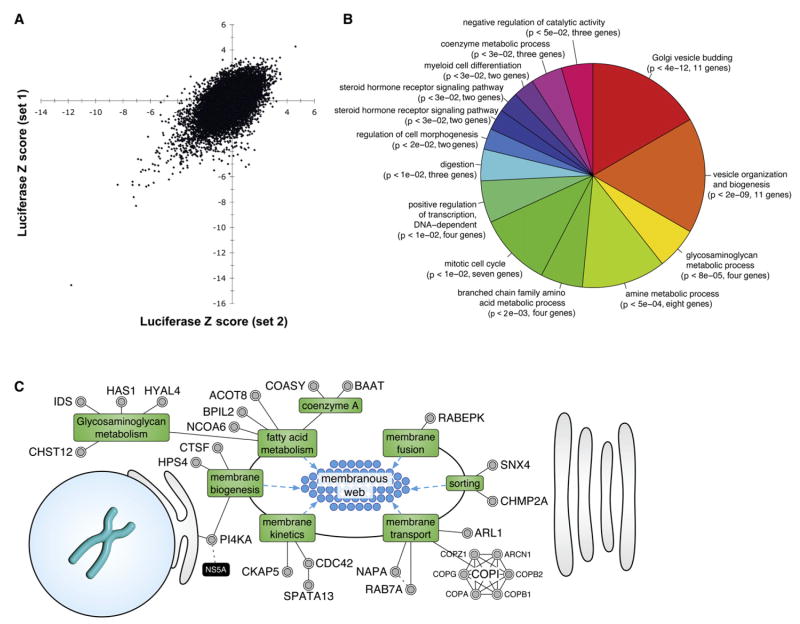
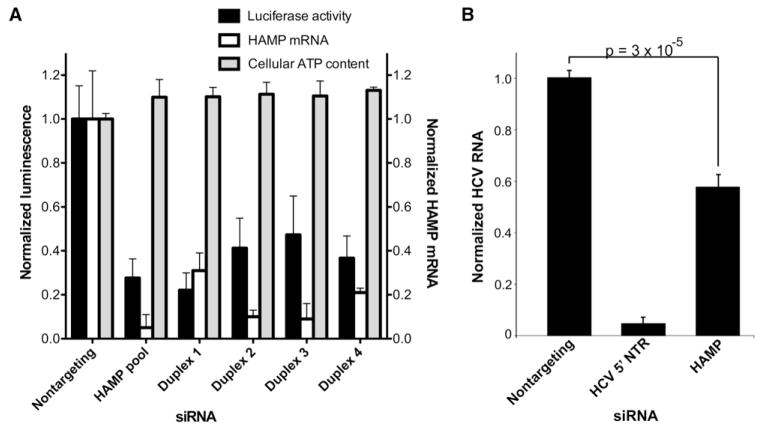
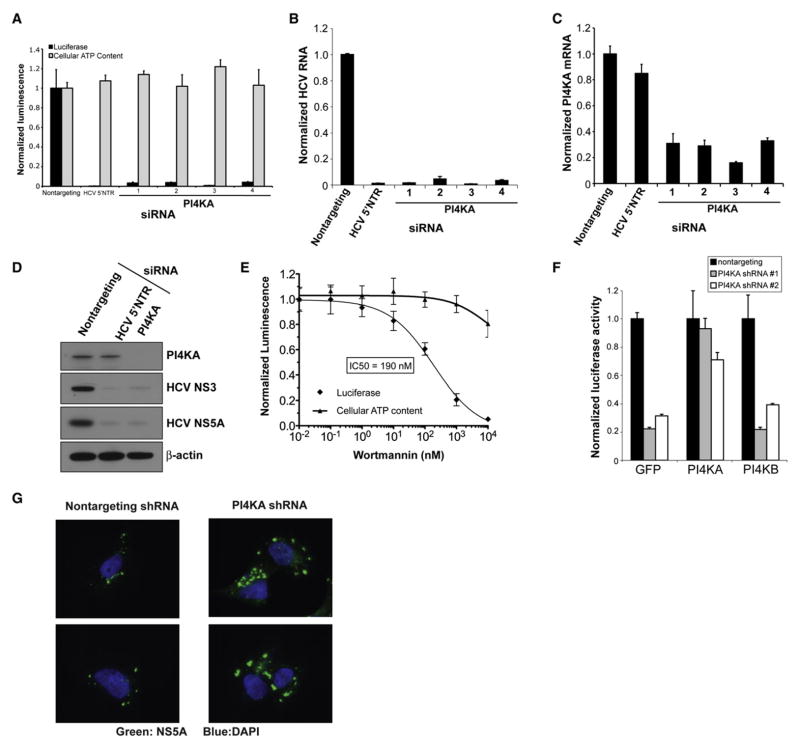
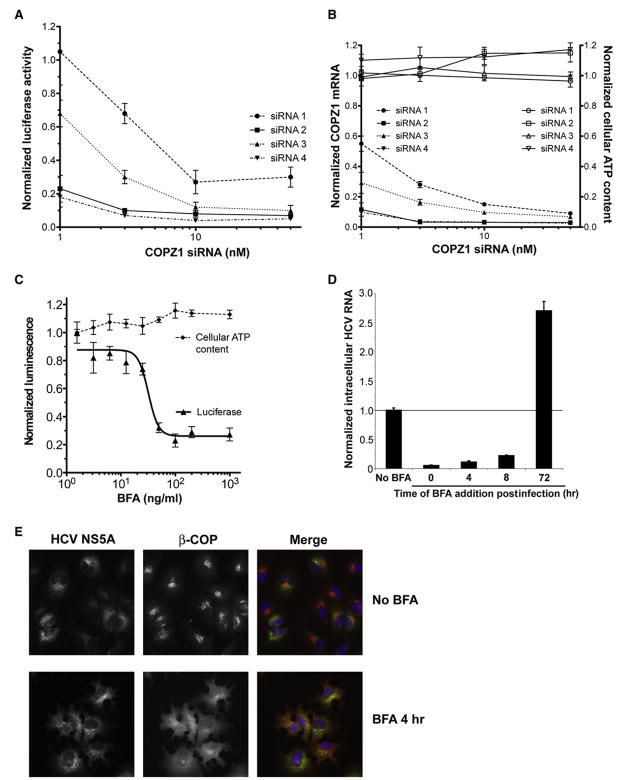
Hepatitis C virus (HCV) chronically infects 3% of the world's population, and complications from HCV are the leading indication for liver transplantation. Given the need for better anti-HCV therapies, one strategy is to identify and target cellular cofactors of the virus lifecycle. Using a genome-wide siRNA library, we identified 96 human genes that support HCV replication, with a significant number of them being involved in vesicle organization and biogenesis. Phosphatidylinositol 4-kinase PI4KA and multiple subunits of the COPI vesicle coat complex were among the genes identified. Consistent with this, pharmacologic inhibitors of COPI and PI4KA blocked HCV replication. Targeting hepcidin, a peptide critical for iron homeostasis, also affected HCV replication, which may explain the known dysregulation of iron homeostasis in HCV infection. The host cofactors for HCV replication identified in this study should serve as a useful resource in delineating new targets for anti-HCV therapies.
丙型肝炎病毒(HCV)长期感染全球3%的人口,HCV引发的并发症是肝移植的主要指征。鉴于需要更好的抗HCV疗法,一种策略是识别并靶向病毒生命周期的细胞辅助因子。利用全基因组siRNA文库,我们鉴定出96个人类基因可支持HCV复制,其中大量基因参与囊泡组织和生物发生。磷脂酰肌醇4激酶PI4KA和COPI囊泡包被复合体的多个亚基都在鉴定出的基因之中。与此一致的是,COPI和PI4KA的药理抑制剂可阻断HCV复制。靶向铁调素(一种对铁稳态至关重要的肽)也会影响HCV复制,这可能解释了HCV感染中铁稳态已知的失调情况。本研究中鉴定出的HCV复制宿主辅助因子应可作为描绘抗HCV疗法新靶点的有用资源。